
Kitchen Leaks: Where Moisture Meets Termite Pressure
Most termite and pest professionals are trained to scan structural wood, landscaping, and rooflines, yet one of the wettest danger zones hides in plain sight: the kitchen sink cabinet and dishwasher hookups. Behind those closed doors, slow plumbing leaks can quietly soak wood, particleboard, and drywall for months at a time. That long-term dampness does not always create dramatic puddles; it often shows up as a humid pocket of air, faint staining, and softened surfaces that termites and other wood-destroying organisms can exploit. Termites do not create water, but they thrive where moisture weaknesses are allowed to linger. If you want tighter control over infestations, your inspections must treat kitchen plumbing cavities as critical risk stations, not afterthoughts.
The challenge is that tiny drips are easy for homeowners to dismiss and easy for rushed technicians to overlook. A slow compression-fitting seep on a dishwasher line, a sweating shut-off valve, or a loose sink trap connection may only leave a slight sheen or small crust of mineral deposits. Over time, that small leak feeds a microclimate of elevated humidity, softened wood, and accessible entry points along wall penetrations. For termite professionals, that hidden damp zone becomes a red flag that the structure is quietly preparing a welcome mat for pests. Turning that risk into an opportunity requires deliberate inspection habits, clear communication, and a plan to tie moisture findings to treatment decisions.
Slow Leaks, Perfect Termite Climate
Subterranean termites are highly responsive to moisture gradients, and long-term dampness under a sink makes the surrounding wall and cabinet framing far more attractive. Even if you never see standing water, chronically wet materials break down protective paints, sealants, and laminates. Once those coverings blister, crack, or delaminate, cellulose fibers are easier for termites to explore and exploit. In addition, warm cabinet interiors filled with cleaning products and trash bins often have limited air movement, allowing humidity from small leaks to linger. That combination of stagnant air and damp materials creates a sheltered, protected space that is difficult for the homeowner to monitor without intentional checks.
Slow kitchen leaks are especially dangerous because they accumulate damage gradually, often without tripping obvious alarms until pests or rot appear. Homeowners may wipe a small drip and forget to track whether it returns, missing the long-term pattern. As a pest professional, you can add value by treating repetitive or unexplained dampness as a structural condition that deserves follow-up rather than a housekeeping issue. During your visit, point out how even minor moisture can escalate into a conducive condition for termites, ants, and mold-producing fungi. When you frame the leak as a risk multiplier, not just a nuisance, clients are more likely to act promptly on repairs.
Inspection Game Plan Inside Kitchen Sink Cabinets
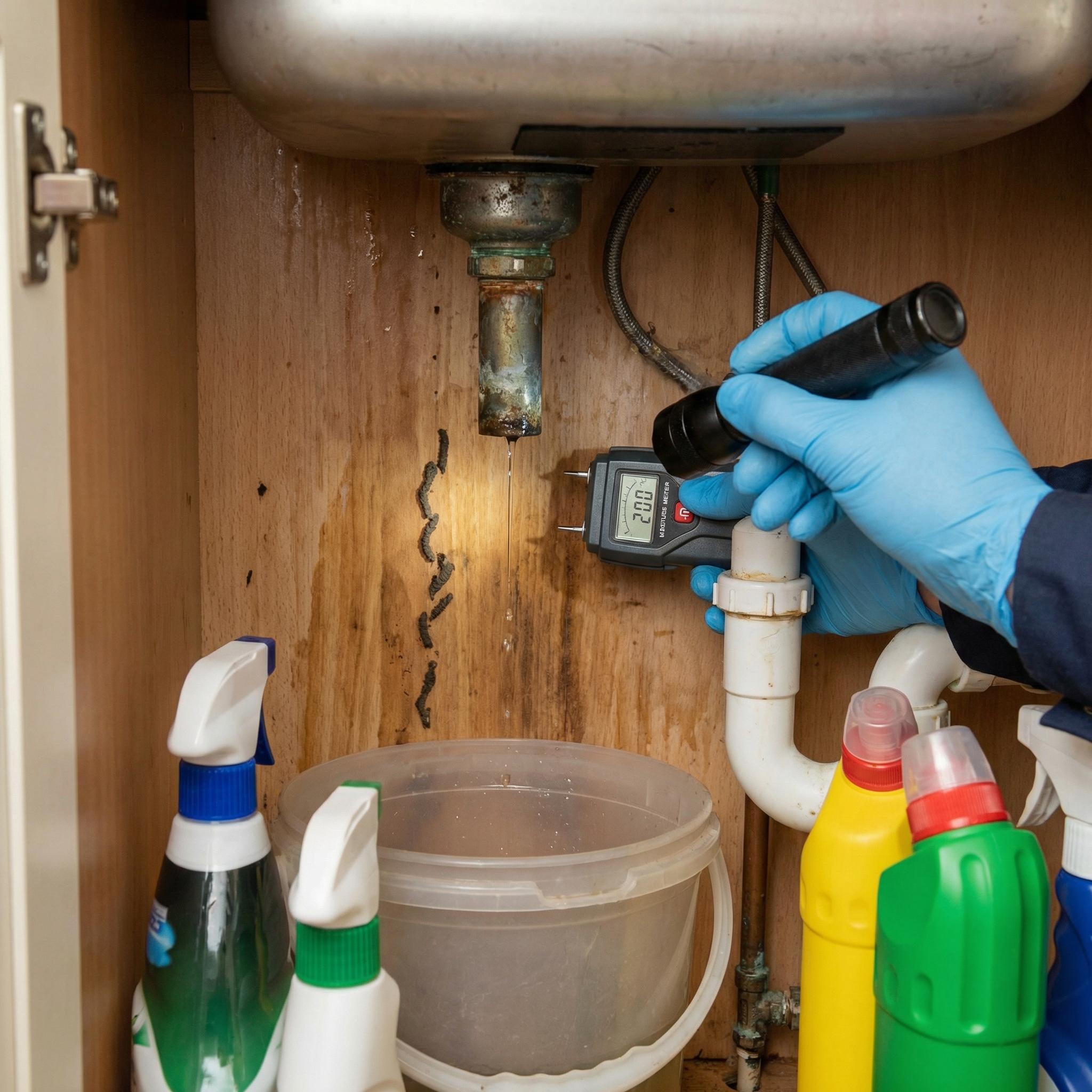
Every kitchen sink cabinet you open should follow a consistent inspection routine, the same way you standardize checks around doors or baseboards. Start by using a bright flashlight to sweep the entire cavity from top to bottom, paying special attention to back corners and the area where plumbing penetrates the wall. Visually check for staining, blistered finishes, and signs of patchwork repairs that might indicate prior leaks. Then, use your hand to feel for cool, damp, or soft spots along the cabinet floor, toe-kick area, and the underside of the countertop around the sink cut-out. Taking an extra minute in this confined space often reveals early clues that can reframe the risk level for the entire kitchen.
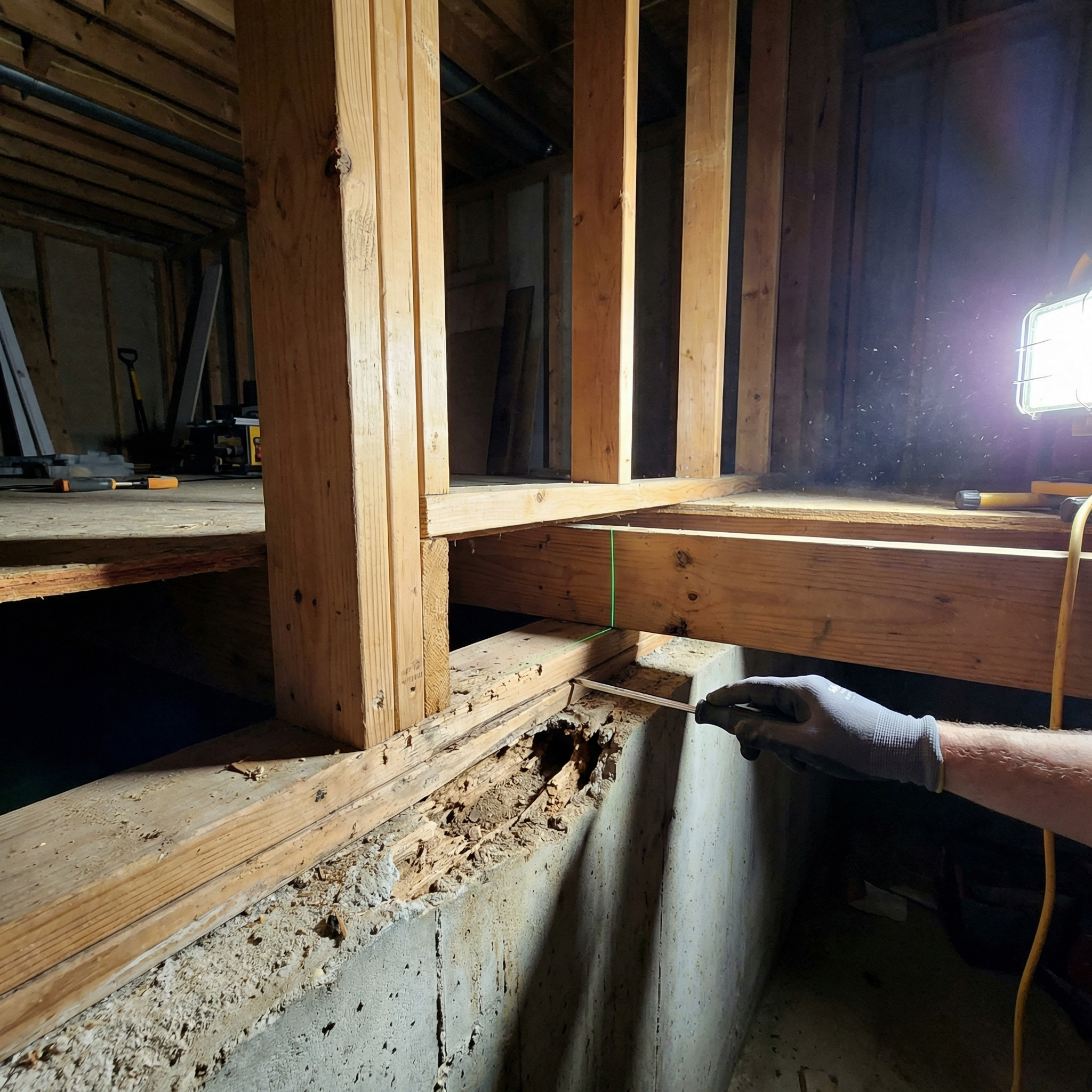
Your inspection is more effective when you combine sight, touch, and simple probing tools in a systematic pattern. Begin at the supply lines and shut-off valves, then move to the trap, drain lines, and garbage disposal connections before checking the cabinet base and sidewalls. Finish by confirming the condition of the wall around the plumbing penetrations, where leaks and termite activity can intersect. During this pass, consider using a flat screwdriver or probe to gently test suspect wood for softness. This kind of repeatable sequence helps ensure you never rush past a leak that could influence your treatment decisions.
Dishwasher Lines: Small Fittings, Big Pest Risks
Dishwashers add an additional layer of moisture complexity to the kitchen, because their supply and drain lines often run through tight, hidden spaces. A tiny drip from a dishwasher supply hose clamp, or seepage where the drain line connects to the sink tailpiece or garbage disposal, can dampen the surrounding cabinet base for months. Those lines frequently pass through unsealed or poorly sealed holes in cabinet sides and walls, giving termites access to softened wood edges and framing. When the dishwasher cycles, warm, moist air can leak around the door and vent, compounding humidity inside the base cabinets. For inspectors, this means dishwashers should be treated as prime moisture suspects, not just appliances to step around.
During an inspection, trace the dishwasher supply and drain line with your flashlight from the shut-off valve or connection point to the appliance body. Look for corrosion on fittings, mineral scale, or discoloration on adjacent wood and flooring, which can signal long-term dampness even if everything appears dry at the moment. When possible, remove the lower toe-kick panel to inspect the subfloor or slab area directly beneath the dishwasher for staining or swelling. If your schedule allows, ask the homeowner to run a short cycle so you can watch for active drips while the system is under pressure. Correlating these observations with your termite findings helps you distinguish between isolated plumbing issues and moisture patterns that justify broader concern.
Moisture Clues Termite Pros Should Never Ignore
Inside kitchen sink cabinets and around dishwasher hookups, certain visual and tactile clues should always trigger closer scrutiny. Darkened or wavy cabinet floors can suggest repeated wetting and drying cycles, even if they feel dry at the moment. Peeling contact paper, curled laminate edges, or crumbly particleboard point toward extended exposure to moisture. Rust on metal basket strainers, disposal housings, or fasteners can also reveal that water has migrated beyond normal splash areas. When these signs coincide with any evidence of past termite or ant activity, the case for aggressive moisture control becomes even stronger.
Simple instruments can turn subjective impressions into actionable data during a termite inspection. A pin-type or pinless moisture meter can quickly verify whether suspect wood under the sink is measurably wetter than surrounding materials. A compact hygrometer allows you to compare humidity inside the cabinet with the general indoor air, giving you a sense of how trapped moisture may be. Even an infrared thermometer can help you notice cold spots where evaporative cooling from ongoing leaks is occurring. When you capture these moisture readings alongside your pest notes, you build a more persuasive narrative for both the client and your own treatment plan.
Talking With Homeowners About Kitchen Leak Prevention
Homeowners often think of termites as an outdoor or structural issue, so connecting their kitchen habits to pest risk takes clear explanation. When you find dampness under a sink or around a dishwasher, resist the urge to simply mention it in passing on the report. Instead, take a moment on-site to show the client the staining, swelling, or high moisture reading, and explain how these conditions can make nearby wood more appealing to termites. Emphasize that your goal is not to sell repairs, but to reduce the chances of future infestations and structural damage. Framing the leak as a shared problem you can help them solve builds trust and improves long-term cooperation.
It also helps to provide a few specific, manageable prevention steps homeowners can adopt between your visits. Encourage them to clear out sink cabinets at least a couple of times a year and run their own quick light-and-touch inspections. Suggest placing a small tray or waterproof mat under plumbing connections so new leaks become obvious quickly instead of soaking into wood. Recommend that they schedule prompt plumbing repairs when they notice drips, rather than waiting until the damage becomes visible elsewhere. When clients understand exactly what to watch for and why it matters, your termite control efforts gain an important ally.
Integrating Kitchen Findings Into Your Termite Treatment Strategy
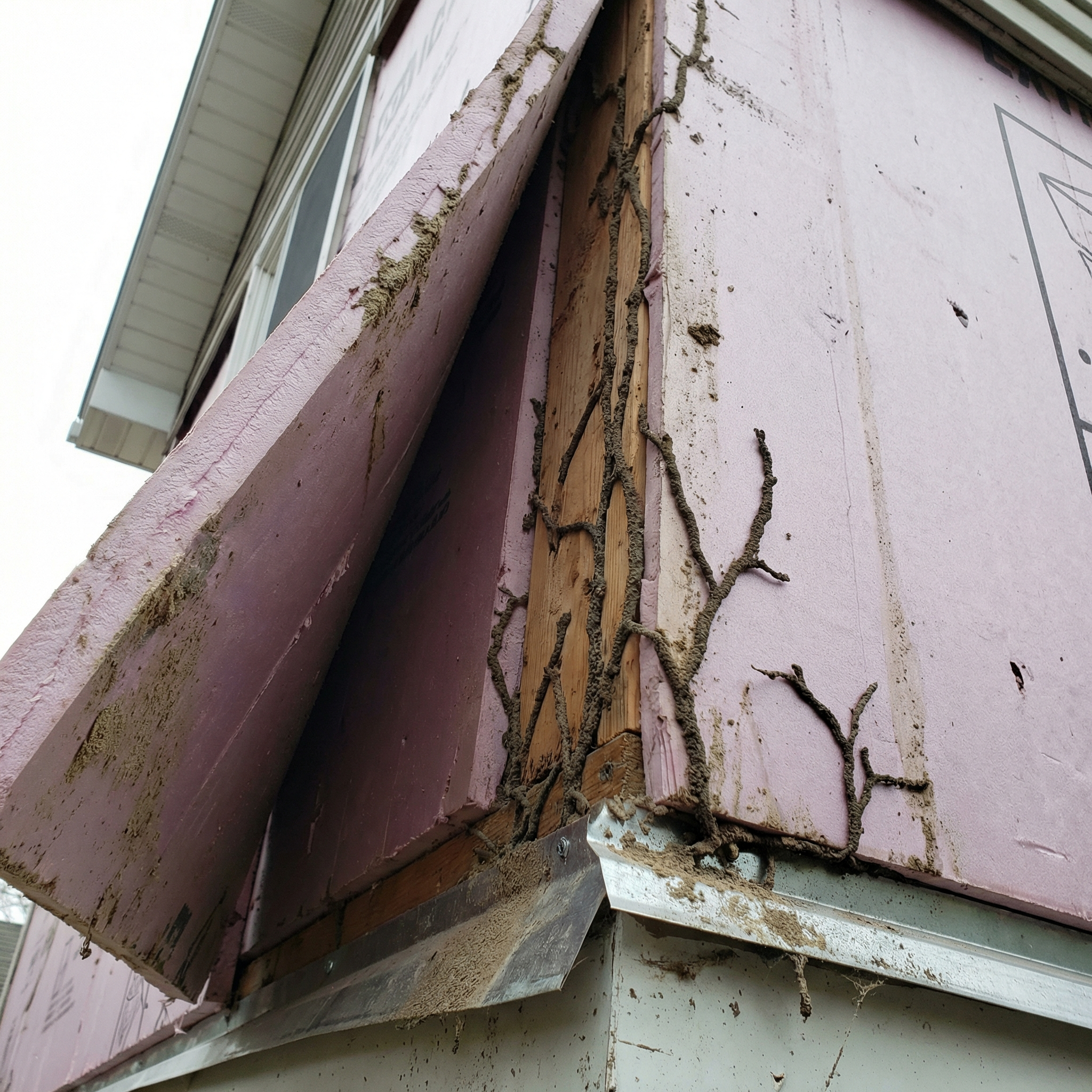
Moisture discoveries under kitchen sinks and around dishwashers should never sit on an island separate from your main termite treatment plan. If you document elevated moisture, visible damage, or fungal growth in these areas, note the location carefully on diagrams and in your digital records. Correlate those findings with any nearby termite evidence, such as shelter tubes emerging from wall voids, damaged baseboards, or frass from wood-boring insects. This context helps you decide whether localized treatments, broader barrier applications, or additional monitoring stations are warranted. It also guides you in recommending follow-up inspections after plumbing repairs are completed.
Finally, make sure your service agreements and reports explicitly connect kitchen moisture corrections to the overall health of the pest management program. Clearly state when your termite warranty or retreatment obligations are conditioned on resolving identified leaks that maintain a chronic damp environment. Use simple language to explain that no chemical or bait can fully overcome a constant moisture source feeding wood decay and pest pressure. By tying kitchen plumbing vigilance directly to the success of your termite protection strategy, you elevate a humble sink cabinet inspection into a key control point. Over time, this disciplined approach turns tiny drips into powerful early-warning signals rather than expensive surprises.