
Paint Can Hide Termites, But It Also Leaves Clues
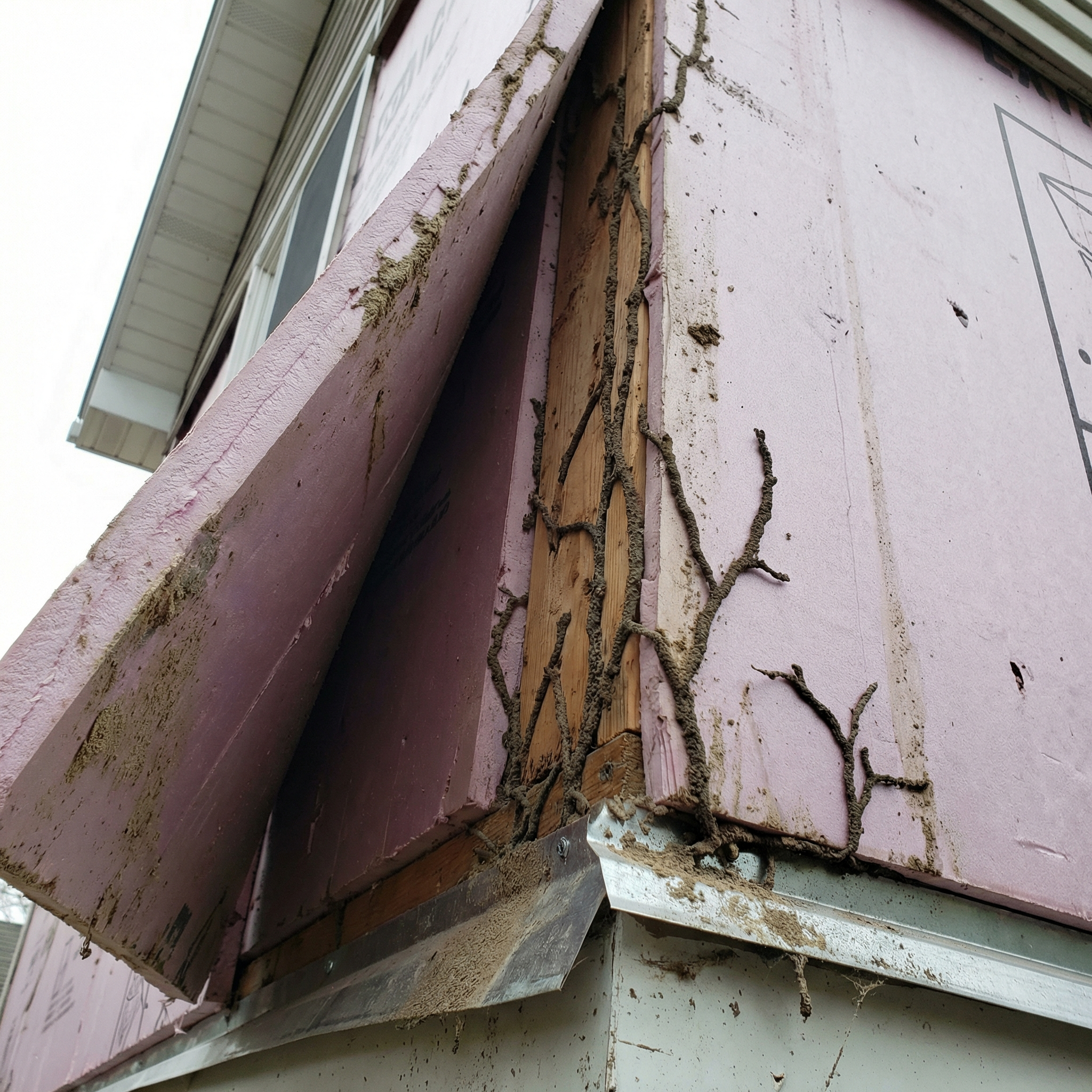
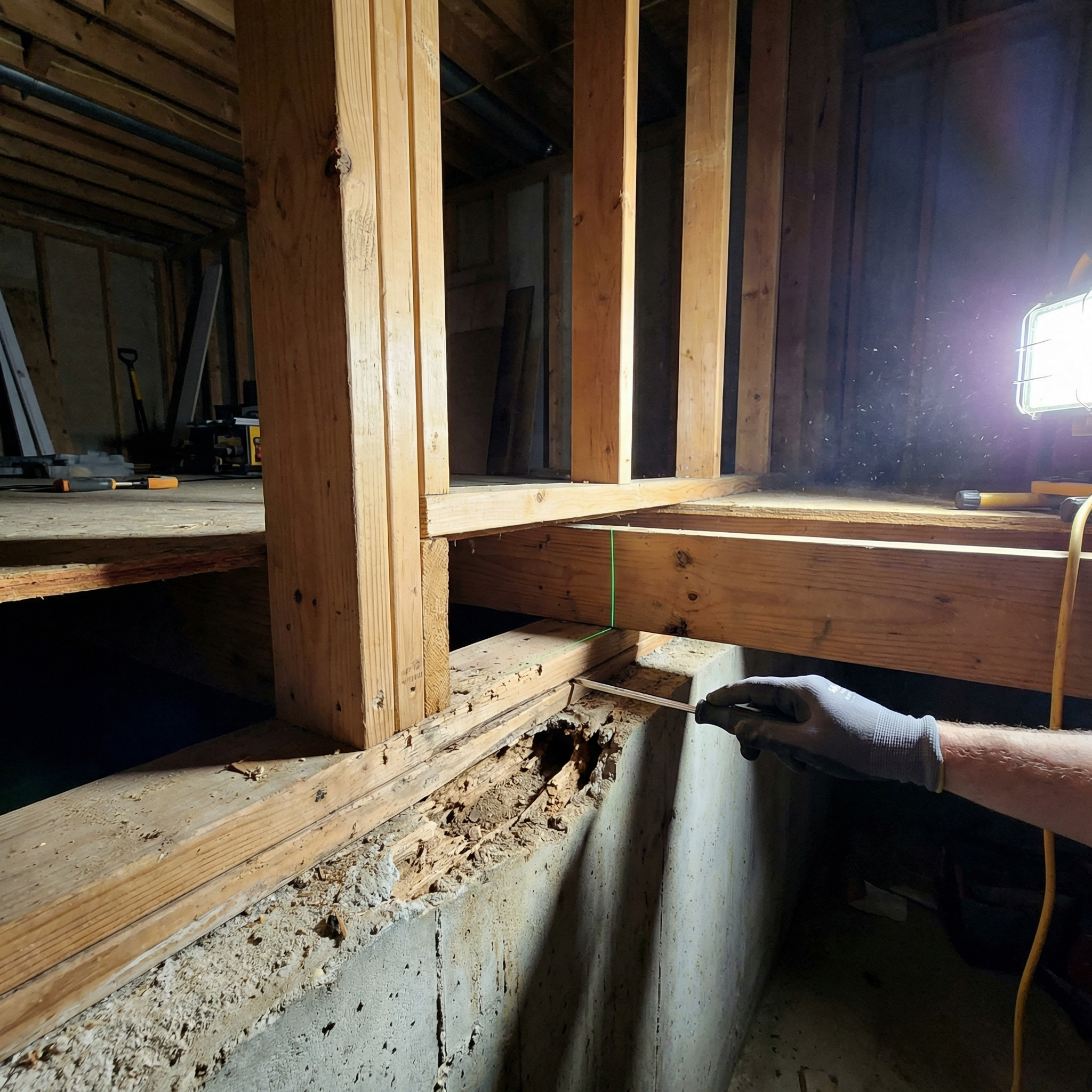
Painted, stained, or sealed surfaces often give property owners a false sense of security during a termite inspection. A fresh coat of paint or glossy sealer can disguise exit holes, frass, and even minor surface warping that would otherwise warn everyone something is wrong. For inspectors and pest control professionals, that means relying on more than just what the eye first sees. Comparative weight, texture, and subtle surface irregularities become critical diagnostic tools when the finish layer hides the story underneath. Done well, this visual and tactile reading of surfaces can reveal termite damage long before it becomes structurally obvious.
Termites rarely respect the boundaries of a painter’s tape line, so their activity continues behind finishes and coatings. Your job is to notice when a painted board, sealed trim, or epoxy-coated floor does not behave like its neighbors. By comparing identical components side by side, you can spot suspicious differences in weight, feel, and appearance that suggest hollow galleries or moisture changes from termite activity. These observations guide where to probe more carefully, where to recommend further invasive evaluation, and where to focus treatment plans. In a world of cosmetic cover-ups, the subtle clues still speak volumes.
When Fresh Finishes Hide Very Old Damage
Many termite inspections today occur in homes that have been prepped for sale, with surfaces freshly painted or resealed. Sellers are often trying to make spaces look uniform and clean, but uniform color can erase the visual contrast that used to highlight problem areas. Holes filled with caulk and painted can blend into trim, and patched sheetrock can appear flawless at a quick glance. Termites do not stop damaging wood just because it has been repainted, so the risk beneath those finishes remains. Inspectors must therefore shift from relying on color differences to relying on performance and feel.
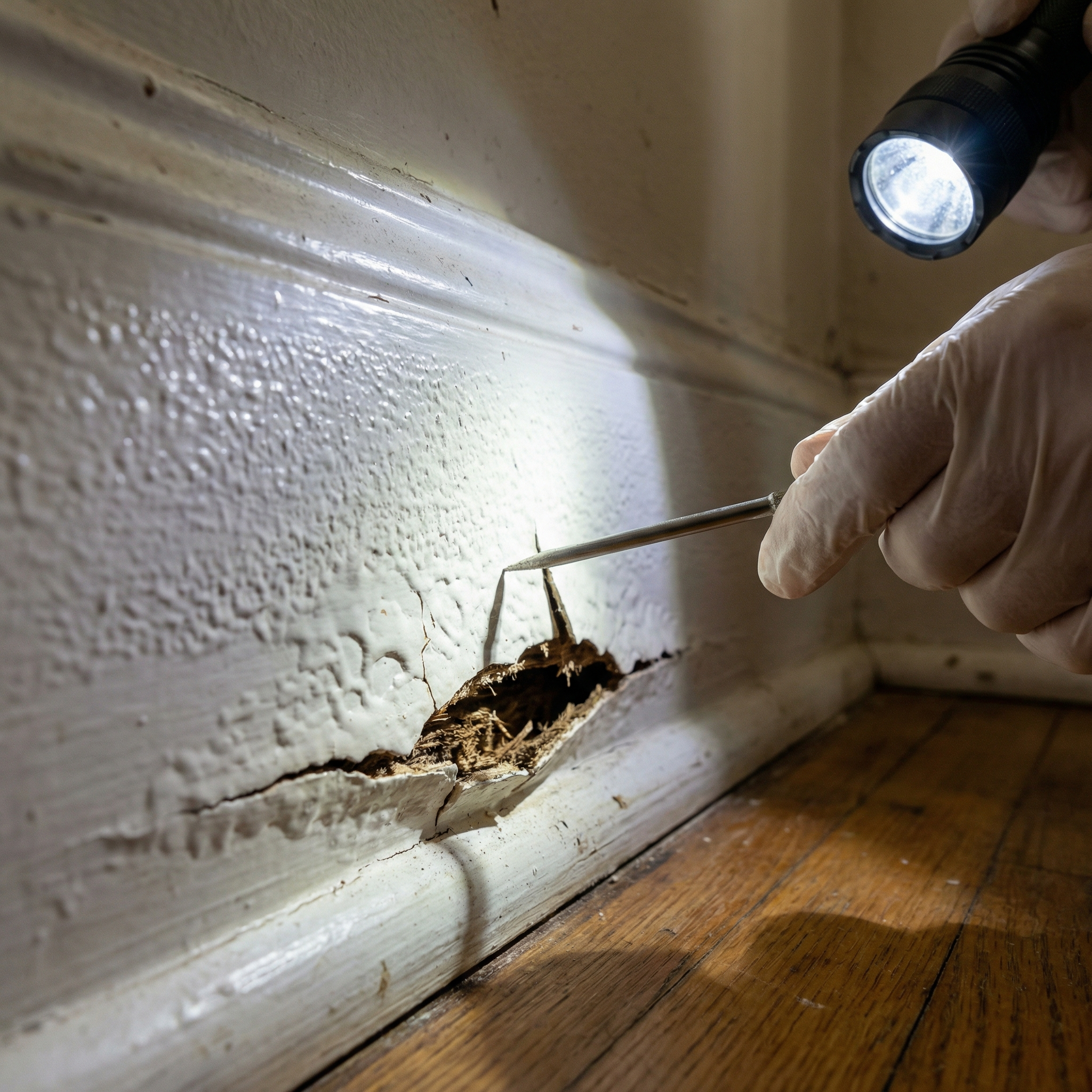
When every board looks perfect, you must ask which ones behave imperfectly under light pressure and observation. A termite-compromised window sill may flex slightly when pressed, even if the paint film appears pristine. A baseboard that used to show staining may now look new but sound dull when tapped compared with its neighbors. Coatings can bridge minor depressions or cracks, but they cannot restore the original density of sound wood. Recognizing that disconnect between appearance and behavior is central to catching hidden termite activity under cosmetic improvements.
Reading Comparative Weight: Light Boards, Heavy Worries
Comparative weight is one of the most underused termite inspection clues on finished surfaces. When you can safely lift removable components such as trim pieces, stair treads, loose deck boards, or stored lumber, their weight tells a story. Termite galleries remove internal material, leaving shells that can feel oddly light compared with unaffected pieces of the same size. Even if a board is sealed, painted, or stained, hollowing will often make it noticeably easier to lift. Noting these differences helps you decide which items deserve closer probing, drilling, or sampling.
Weight comparison also applies to built-in features when direct lifting is not possible. By gently pressing or leaning on painted handrails, sealed window stools, or heavy-looking thresholds, you can sometimes sense a mismatch between expected resistance and actual feel. A solid oak threshold should not feel spongy, and a robust stair nosing should not respond with a muted, hollow echo. When nearby components of the same design feel firmer and heavier in response, that contrast becomes a red flag. Use that red flag to justify more focused investigation and clear documentation in your report.
Texture Tells the Truth Beneath Paint and Sealers
Even the best painter cannot completely erase the textural story of what lies underneath a finish. Termite activity changes the way wood expands, contracts, and fractures, and those changes often telegraph through paint, stain, or clear sealer. Run your fingertips lightly across suspect areas and then across adjacent, similar components that you believe are sound. You may notice subtle ripples, collapsed grain patterns, or a slight give under the paint film where galleries have thinned the substrate. These differences are often too subtle for a quick visual scan but become obvious through touch.
On sealed decks, porches, and exterior trim, texture differences can appear as inconsistent sheen or slightly sunken areas where wood has lost volume. Termite-damaged boards may accept sealer differently, producing dull patches next to glossier, healthier wood. Small paint blisters or pinhead-sized bumps can also form where moisture or frass presses against the coating from within. While any single mark might be blamed on application errors, repeated texture anomalies along an accessible path should raise termite concerns. Document these patterns with photos and clear notes so that clients understand texture is not just cosmetic; it is diagnostic.
Surface Irregularities That Whisper Termites
Surface irregularities on painted or sealed elements can be your first hint that the substrate is no longer uniform. Look for gentle sags, shallow troughs, or rounding of once-crisp edges on trims, door jambs, and fascia boards. When termites remove internal support, the outer skin of paint or sealant can relax, producing slight waves or depressions. These changes may be inconsistent with the age of the finish or appear only in limited runs of a board. Comparing those irregular stretches with straight, predictable segments elsewhere often clarifies the concern.
Cracking patterns can also hint at hidden termite damage behind coatings. In some cases, you may see narrow, linear cracks that follow grain weakened from inside, instead of random spider-web cracking from age or sun. Paint may separate along hidden galleries, creating subtle ridges or shadow lines under certain lighting angles. When irregularities cluster in accessible areas that match other termite risk factors, they deserve more than a passing glance. Treat them as signposts directing you to probe, tap, or monitor more intensively in that location.
Comparing Twin Components for Fast Field Diagnosis
One of the most efficient ways to detect hidden termite damage on finished surfaces is to compare “twin” components. Homes often have multiple identical window sills, stair balusters, porch posts, or cabinet toe-kicks installed at the same time and finished with the same products. By moving systematically from piece to piece, you can quickly feel which ones deviate in weight response, texture, or surface regularity. This side-by-side method helps you filter out normal paint flaws and focus on anomalies truly worth concern. Over time, it also trains your eye and hand to recognize patterns more quickly.
When using this comparative strategy, be intentional about what you are checking on each twin component. For every matching element, you might quickly perform a sequence such as looking along the length for warps, lightly pressing to gauge firmness, and sweeping fingertips to sense textural change. If one component stands out as lighter to the touch, smoother in a suspicious way, or more irregular under consistent lighting, mark it for further attention. This consistent comparison reduces the chance of missing subtle clues on a single, isolated board. It also gives you defensible reasoning when you recommend localized opening or targeted treatment.
Simple Field Techniques That Respect Finished Surfaces
Property owners often fear that termite inspections will damage their freshly finished walls, trim, and floors. By leaning heavily on comparative weight, texture, and surface irregularities, you can gather strong evidence while minimizing invasive testing. Gentle tapping with a non-marring tool, careful fingertip checks, and strategic use of flashlights at low angles can all be done without harming paint or sealer. When abnormalities stand out, you can then discuss limited, agreed-upon probing or access points with the client. This stepwise approach shows respect for finishes while keeping the focus on safety and accurate diagnosis.
As you work, communicate what you are doing and why these subtle checks matter. Explain that a board which looks perfect but feels unusually light, hollow, or rippled may be concealing significant termite galleries. Where appropriate, pair your tactile findings with non-destructive tools like moisture meters or borescopes designed for minimal disruption. Use language that reassures clients that you are not guessing based on one small blemish but reading a pattern of clues. This approach strengthens trust and increases acceptance of any targeted, more invasive steps you recommend.
Turning Subtle Clues into Clear Recommendations for Clients
Finding suspicious differences in weight, texture, or surface regularity is only valuable if those observations flow into clear recommendations. After documenting your findings, translate those technical clues into practical options the client can understand. You might recommend closer structural evaluation of a specific trim run, localized exploratory opening, or targeted termite treatment in a defined zone. Whenever possible, connect the subtle surface evidence to the potential risk of hidden damage behind the coating. This helps clients see that you are not reacting to cosmetics but to meaningful diagnostic signals.
Summarize areas where painted or sealed finishes limited full visual access and emphasize the compensating techniques you used to evaluate risk. Highlight the components that compared normally as well as the ones that did not, so the report feels balanced and thorough. Where you cannot conclusively confirm damage without removal of finishes, be explicit about that limitation and document your professional concerns. Clients and real estate partners appreciate when these gray areas are explained instead of glossed over. Over time, your reputation will grow as the professional who can read what painted surfaces try to hide from less careful inspectors.