
Peer Review as a Safety Net for Complex Termite Reports
Most termite inspection reports are straightforward, but a small percentage contain unusual conditions that can make or break a firm’s reputation. Mixed evidence of activity, overlapping wood-destroying organisms, or odd structural configurations all raise the stakes on every sentence you write. In those moments, peer review turns from a nice-to-have into a critical safety net. A second qualified inspector reviewing a complex report can catch unclear language, missed risk factors, and inconsistent recommendations before the client ever sees them. That extra layer of scrutiny both raises technical quality and shields your company from avoidable liability.
When Termite Reports Become Legally Risky
Liability tends to spike when a termite report is used as a decision-making document for a high-value transaction or repair. Real estate closings, refinance packages, and large remediation projects all depend on the clarity and defensibility of your written findings. If an atypical condition is misunderstood or minimized, your firm can be pulled into disputes long after the inspection date. Peer review gives your team a structured way to stress-test the report the same way a skeptical buyer, seller, or attorney might. By doing that internal challenge first, you dramatically reduce the chances of surprises later.
Risk also increases when the documentation does not match the inspector’s field notes or photos, even if the technical conclusions are correct. Small wording issues, such as calling damage “old” instead of “inconclusive age,” can be exaggerated in a complaint or claim. A reviewer who was not on site can check that time frames, locations, and severity ratings are all described conservatively and consistently. This person can also verify that diagrams and photos support what the narrative claims, not the other way around. That alignment strengthens your legal position if questions arise months or years later.
Defining Atypical Findings That Deserve a Second Set of Eyes
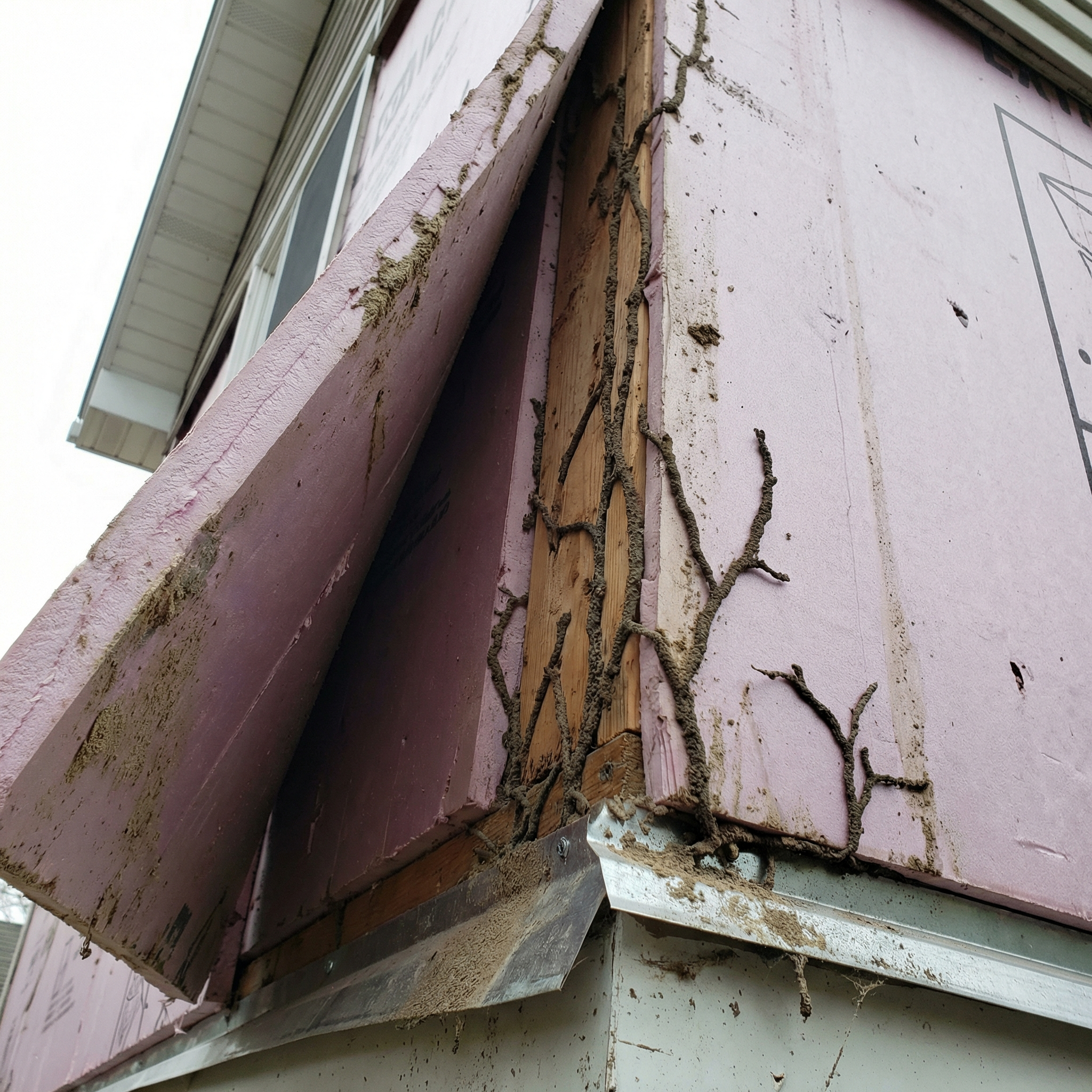
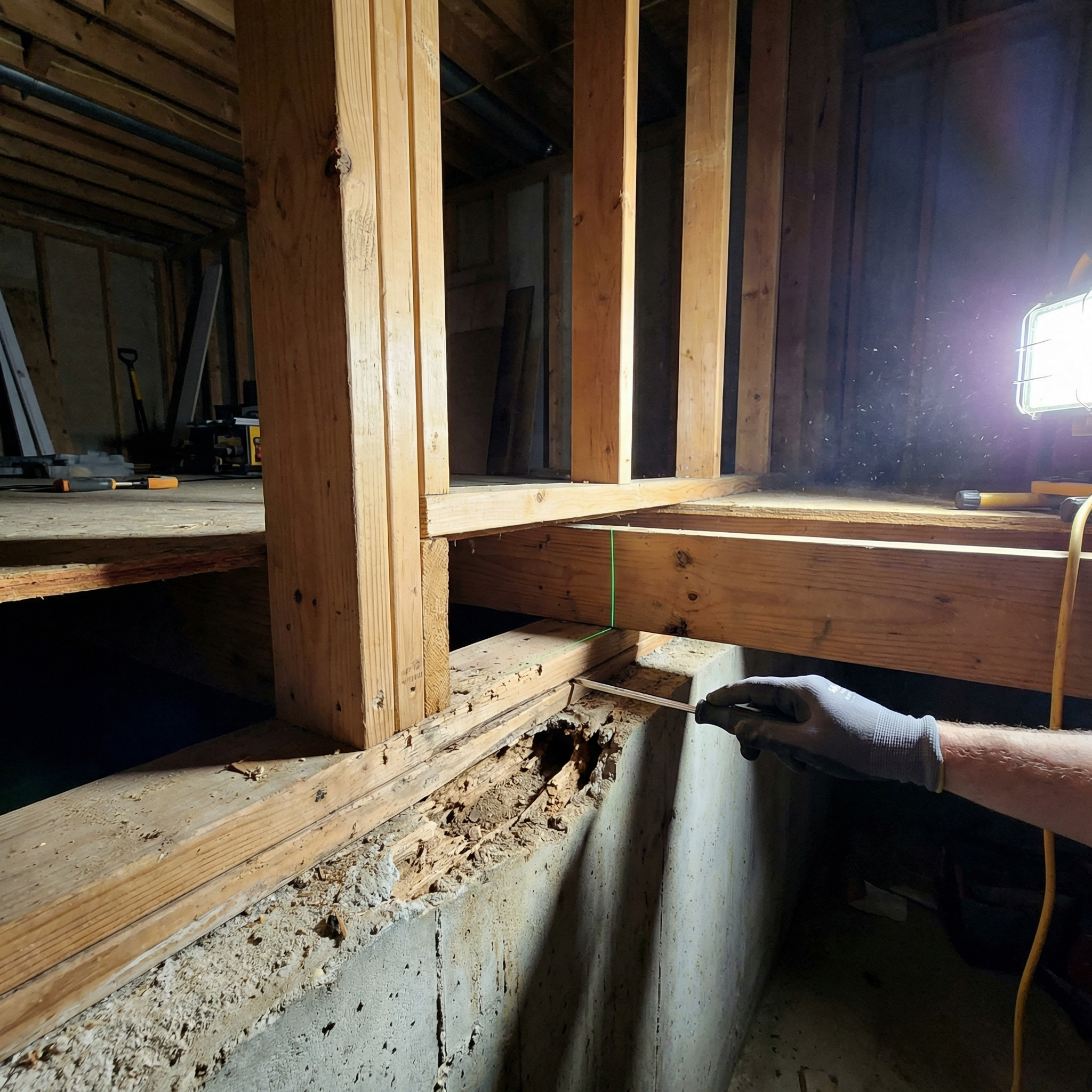
Peer review is most valuable when you apply it consistently to a clear category of higher-risk findings. Atypical does not just mean rare insects or exotic building materials; it means conditions where reasonable professionals might disagree on interpretation. Examples include suspected termite activity with minimal visible evidence, overlapping damage from multiple wood-destroying organisms, or prior treatments with incomplete documentation. You might also flag reports where clients request written opinions outside the standard scope, such as structural adequacy or cause of past failures. Creating a written trigger list for peer review keeps the process objective rather than personality-driven.
It can help to categorize atypical findings by both technical complexity and potential impact on the client. Some situations are technically routine but financially high stakes, such as slight evidence of termites in a home that is about to close. Others are technically ambiguous but low impact, such as minor staining far from wood components. Your policy might require peer review when either category crosses a defined threshold. For instance, any report that will be attached to a real estate contract or any report containing nonstandard limitations could be mandatory candidates. Clear criteria prevent rushed field decisions about whether to seek review.
Building a Peer Review Workflow for Your Inspection Team
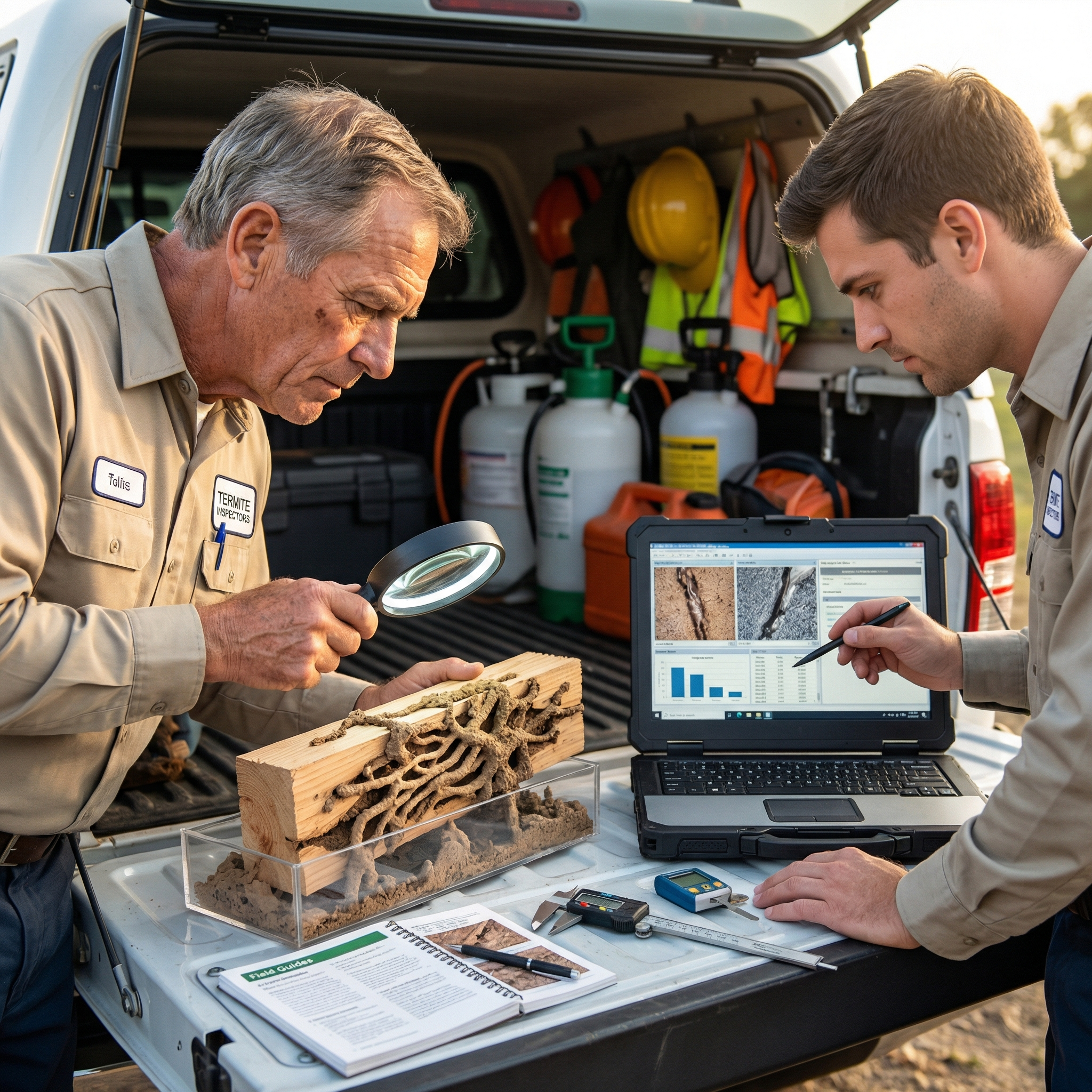
A useful peer review system must fit into daily operations without causing bottlenecks that frustrate inspectors or clients. Start by defining who is qualified to review, such as senior licensed inspectors or technical managers with recent field experience. Then, create a simple handoff method where the original inspector submits the draft report, photos, and any relevant client communications. The reviewer should have a standard checklist that covers scope, accuracy, clarity, and liability-sensitive phrases. By standardizing these steps, you make peer review a repeatable process instead of an improvised favor.
Turnaround time is often the biggest concern, especially for real estate timelines, so build expectations into your scheduling and pricing. For example, you might promise same-day review for reports submitted by a certain hour, and next-business-day for later submissions. When clients book inspections likely to trigger peer review, set those expectations up front as part of your premium thoroughness. Internally, document each review with date, reviewer name, and any changes made, so there is a clear record of due diligence. That documented process itself can become a strong defense if your firm is ever challenged.
Writing Clear, Defensible Conclusions After Peer Review
Peer review should not just mark up grammar; it should strengthen how conclusions are framed around evidence and limitations. Many liabilities arise when conclusions sound more certain than the data supports, especially with concealed areas or partially accessible spaces. A reviewer can recommend wording that distinguishes clearly between observed conditions, professional opinions, and unknowns. They can also ensure that limitations, such as inaccessible voids or hidden framing, are stated plainly where clients will not miss them. This disciplined language makes your report both more honest and more defensible.
A strong conclusion section ties observations to recommended actions without implying guarantees or warranties beyond your scope. The reviewer can check that each recommendation aligns with the observed risk level and does not accidentally stray into structural engineering or legal advice. Where conditions are ambiguous, phrases that highlight uncertainty and suggest follow-up monitoring or further evaluation can replace absolute statements. The goal is to give the client practical guidance while making boundaries of responsibility unmistakable. Over time, this shared vocabulary across your team leads to reports that read consistently, regardless of which inspector wrote them.
Training Reviewers to Add Insight, Not Just Red Ink
For peer review to be embraced rather than resisted, reviewers must be trained as coaches, not critics. Their role is to protect the firm and support the field inspector, not to showcase their own expertise. Effective reviewers start by asking clarifying questions about what was seen, rather than assuming gaps in competence. They highlight strengths in the report alongside areas that could be clearer or better documented. When inspectors see that peer review improves their own confidence, they are more likely to seek it proactively.
Formal training for reviewers should cover communication style, consistent use of terminology, and awareness of local legal expectations. Role-playing difficult conversations about report changes can prepare reviewers to deliver feedback without damaging morale. It is also helpful to create reference examples of well-reviewed complex reports so everyone can see the preferred standard. Over time, these examples become teaching tools for new inspectors who are still developing their written communication skills. This investment builds a culture where detailed, carefully worded termite reports are recognized as a professional craft.
Using Peer Review to Strengthen Client Trust and Referrals
Clients may never see the internal peer review process, but they feel its impact through clearer explanations and fewer surprises. When complex findings are presented with balanced language and logical recommendations, clients are more likely to accept them as fair. Real estate professionals, in particular, notice when your reports are consistently readable and defensible across multiple transactions. Over time, they begin to rely on your firm precisely because you do not oversimplify difficult situations. That reputation can become a major source of repeat business and high-quality referrals.
You can also selectively highlight your review process as a differentiator without overwhelming clients with technical jargon. Phrases like “this report has been internally reviewed for clarity and completeness” signal responsibility and thoroughness. For high-risk properties, offering an optional peer-reviewed report tier at a premium price can reinforce the value of this extra step. When clients understand that unusual situations receive extra attention from multiple experts, their confidence in your recommendations increases. Higher trust often leads to smoother approvals for treatment plans and fewer contested invoices.
Turning Reviewed Reports into Better Field Practices
Every peer-reviewed termite report contains lessons that can improve fieldwork, if you take time to extract them. Patterns in reviewer comments can reveal recurring blind spots, such as under-documented moisture conditions or vague location descriptions. By tracking these patterns, managers can design focused training sessions that address the most common weaknesses. Well-documented complex cases can also become internal case studies to sharpen the judgment of the entire team. In this way, peer review becomes a continuous improvement engine rather than just a quality control checkpoint.
Make it standard practice to share anonymized excerpts from particularly strong or instructive reports during team meetings. Discuss what made the documentation effective, how the atypical findings were explained, and how liability-conscious wording was used. Encourage inspectors to bring their own challenging cases for group discussion before they even reach formal peer review. This open exchange gradually raises everyone’s comfort level with complex conditions and nuanced report language. Ultimately, your firm benefits from a workforce that views peer review as a collaborative path to better termite inspections, not a hurdle to clear.