
Post-Storm Termite Conditions: Timing Is Everything
Violent weather does more than tear off shingles and scatter branches; it quietly resets the termite risk profile around every structure it hits. When wind, rain, and flooding rearrange the landscape, they also rearrange moisture patterns and wood-to-soil contacts that termites depend on. For inspectors and pest control professionals, that means the period immediately after a storm is a critical opportunity, not just another service call. A focused post-storm inspection can reveal intrusions and debris that did not exist during the last visit and may never appear again in quite the same way. Treating this window as a specialty inspection category helps your team spot new colony launch points while they are still easy and inexpensive to correct.
Property owners often focus on visible storm damage, while the subtle conditions that encourage termite growth remain ignored. Fresh leaks, soaked structural elements, and new piles of wood or organic debris can all accelerate termite foraging and expansion if they go unchecked. By framing post-storm inspections around those specific conditions, you make your value crystal clear and your recommendations harder to postpone. Instead of talking in generalities, you can point directly to changes the storm created and the risks attached to each one. That level of clarity turns an anxious weather event into a straightforward action plan.
Storm Damage Creates Fast-Track Conditions for Colony Expansion
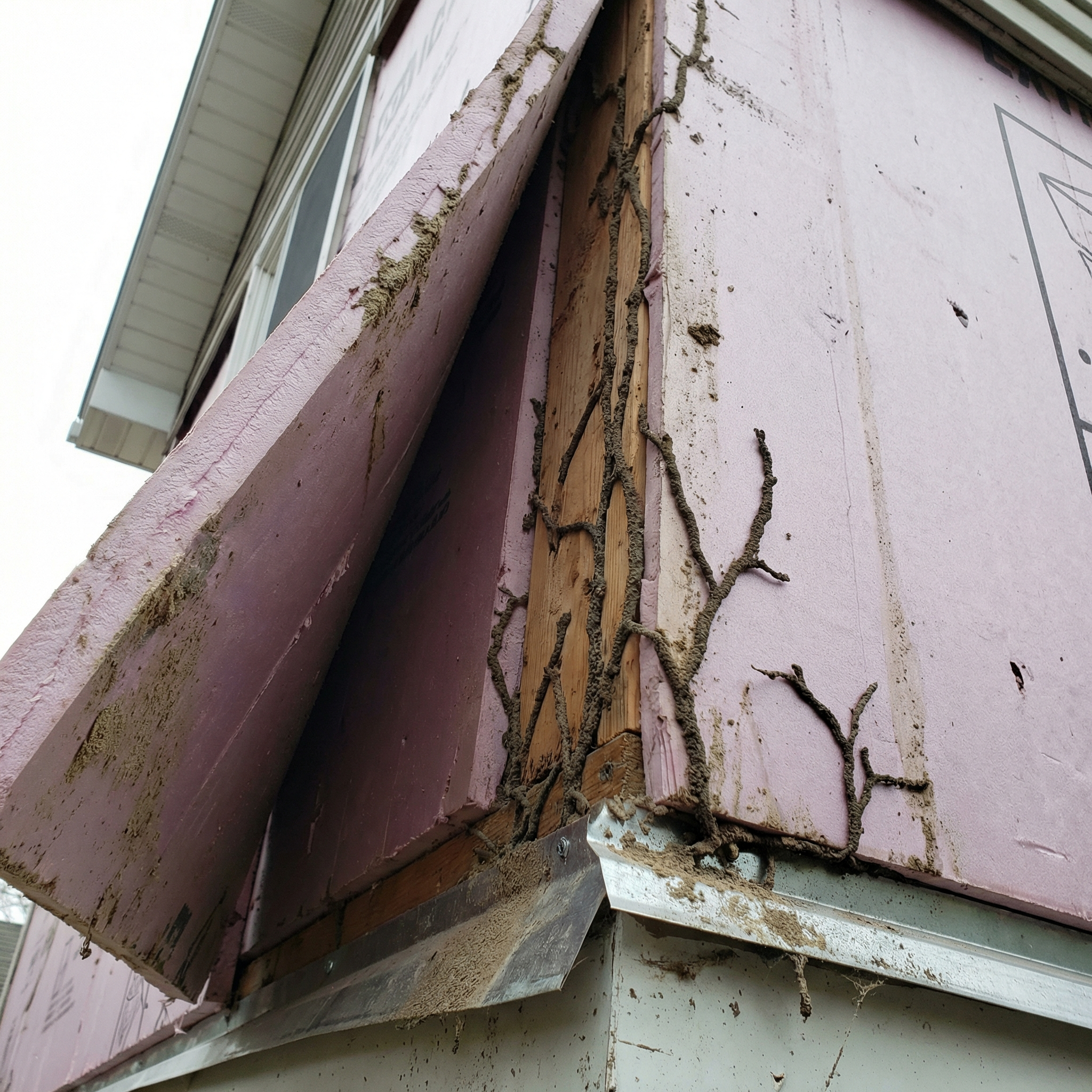
Every strong storm reshapes the relationship between soil, moisture, and cellulose around a building, even when structural damage appears minor. Wind-driven rain can push water deep into joints and seams that normally stay dry, altering humidity levels in concealed spaces where termites travel. Impact damage from branches or debris can open new cracks that give termites easier access to framing and sheathing. Flooding and standing water can saturate landscaping and grade, holding moisture longer along foundation lines than a typical rainfall. Each of these changes may only last days or weeks, but that is long enough for termites to expand galleries into freshly softened areas.
Post-storm inspections work best when you start with the assumption that termites are actively exploring any new damp zone they can reach. Instead of performing a routine pass, deliberately ask where the storm concentrated water, removed protective coverings, or altered ground contact. This mindset keeps your attention on edges, transitions, and newly exposed surfaces rather than the same predictable checkpoints you always follow. It also allows you to prioritize time, focusing first on the portions of the structure where conditions changed the most. From there, you can widen the survey to confirm that previously stable areas remain low risk.
Pinpointing New Moisture Intrusions After Heavy Weather
Moisture intrusion is the most important condition to confirm or rule out after a major storm event. Start outside by following gravity and wind direction, working from roofline and upper walls down to grade where water ultimately collects. Look for fresh staining, darkened materials, displaced sealant, and swelling around joints that previously looked tight, because termites follow the same clues internally. Storm-lashed doors, windows, and utility penetrations can admit enough water to keep nearby wood damp far longer than normal weather patterns. When you document where the building skin has started to admit moisture, you also map the most likely routes for hidden termite activity in the coming season.
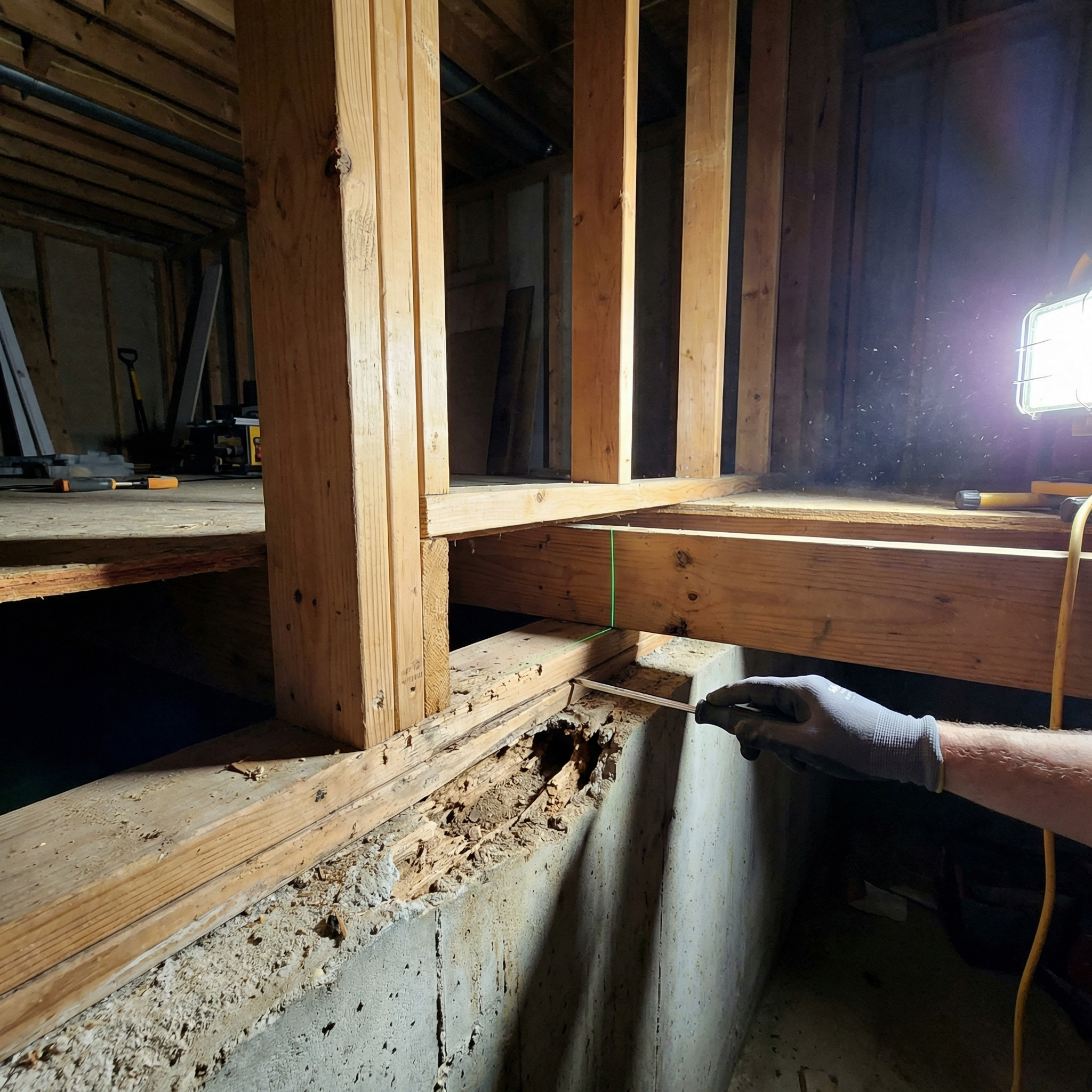
Once the exterior has been evaluated, shift to interior areas directly behind or below any suspect points you identified outside. Check for rippled finishes, soft spots under foot, and musty odors that suggest ongoing dampness rather than a brief wetting. Pay close attention where wall assemblies meet floors, because slow drying can leave sill plates and lower studs vulnerable to termite attack. Use moisture meters where appropriate to verify what your eyes and nose suggest, recording readings that will inform both treatment design and future comparisons. This combination of visual, tactile, and instrument-based checks turns a quick walk-through into a reliable early-warning system.
Storm Debris Piles as New Termite Hotspots
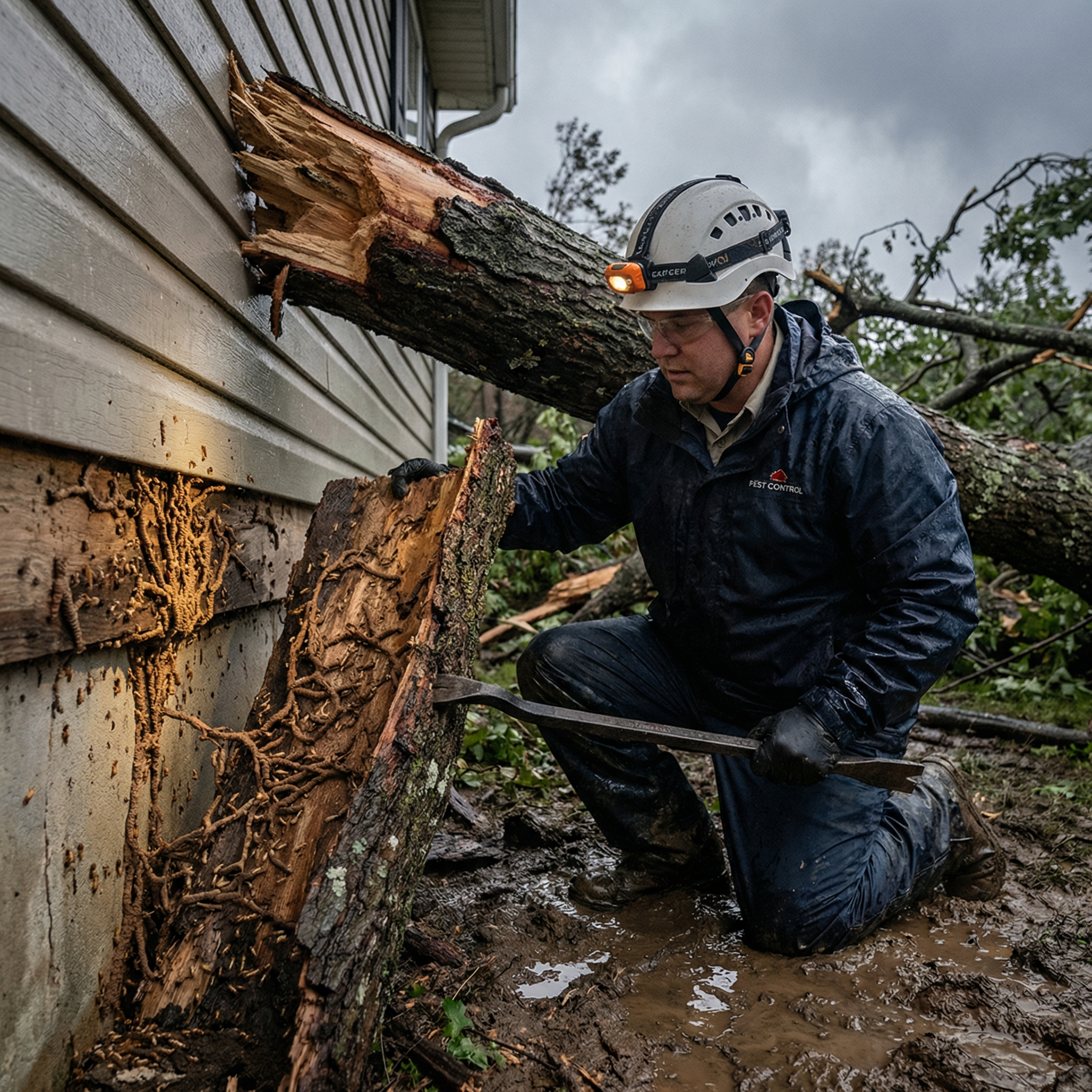
Storms rarely leave wood where they found it, and that sudden reshuffling has big implications for termite pressure. Downed limbs, broken fencing, mulch displaced by flowing water, and even ruined furniture can all end up stacked in dense piles. Those piles trap moisture, shade the soil beneath, and keep cellulose in prolonged contact with damp ground, which is exactly what termites prefer. When those new hotspots are located near foundations, patios, or attached structures, they can act as staging areas for colonies to expand. Ignoring them means accepting a surge in local termite activity right where your client’s structure is most exposed.
During a post-storm inspection, treat every debris pile as a potential termite incubator until proven otherwise. Note its size, the type of materials involved, and its distance from any structural wood or slab edges. Probe where safe to do so, checking for softening and early insect activity while the material is still easy to move. When you find piles within a short reach of the building, flag them as priority removals rather than optional clean-up tasks. Clear recommendations on how far to relocate or reduce these piles give clients a simple, concrete step to cut termite pressure fast.
Building a Repeatable Post-Storm Inspection Routine
A consistent procedure keeps post-storm inspections efficient while ensuring nothing important gets skipped on a busy day. Start by defining a standard exterior circuit that touches all elevations, changes in grade, and structural attachments in the same order every time. Within that circuit, add specific storm-focused checkpoints, such as impact zones under trees and windward corners that took the brunt of the weather. Then, define a matching interior path that mirrors your exterior findings, so each suspicious area has a corresponding interior verification point. The more repeatable your path, the easier it becomes to train teams and compare conditions from one event to the next.
Many teams benefit from a simple checklist tailored specifically for post-storm termite conditions rather than general maintenance issues. This checklist can highlight moisture intrusions, debris accumulations, fresh soil disturbance, and changes to previously treated zones as separate line items. Use it alongside photo documentation to create a clear before-and-after record when clients have historical service with your company. Over time, these records help you prove the value of rapid inspections and justify additional monitoring where recurring storm patterns keep creating risk. They also reduce the chance that an inspector misses a subtle but critical change during a hectic storm-recovery period.
- Note exterior and interior points where storm-driven water collected or entered.
- Log all new or enlarged debris piles, especially near structural elements.
- Record changes around existing treatment zones to guide any needed adjustments.
Communicating Storm-Related Termite Risks to Clients
Even the best inspection loses value if clients do not understand what you saw and why it matters for termites. Translate technical observations into simple cause-and-effect explanations that link the storm to specific conditions and then to potential colony growth. Instead of merely stating that wood is damp, explain that extended dampness gives termites a softer, more attractive target and can shorten the time needed for infestations to take hold. When you recommend debris removal or repairs, connect each action to a measurable reduction in termite opportunity rather than vague prevention. This approach turns your report into a persuasive roadmap rather than a confusing list of problems.
Clients are often overwhelmed with competing post-storm priorities, so framing termite work in terms of timing and savings is especially helpful. Emphasize that addressing moisture intrusions and debris piles now is far less disruptive than repairing hidden structural damage later. Where appropriate, offer tiered action plans that separate urgent risk reduction from longer-term improvements, allowing property owners to make informed decisions. Follow up with concise written summaries that restate key findings and next steps in everyday language, reinforcing the conversation you had onsite. Clear communication not only encourages faster action but also positions your team as a trusted advisor whenever the next storm hits.
Turning Post-Storm Findings into Stronger Termite Protection
Every post-storm inspection generates data that can sharpen your long-term termite control strategy if you capture and analyze it. Track which areas of the property repeatedly show moisture problems or debris accumulation after major weather events, because those zones deserve extra monitoring. Note where existing treatments held up well despite harsh conditions and where they required reinforcement or adjustment. Over time, patterns emerge that allow you to fine-tune treatment placements, inspection frequency, and client education for that specific structure. Instead of reacting to each storm as an isolated incident, you develop a property-specific termite resilience plan.
At a broader level, aggregating post-storm findings across your service area can reveal which neighborhoods or construction types respond poorly to repeated severe weather. With that knowledge, you can proactively reach out to high-risk clients before storm season with tailored inspection and protection packages. You can also refine training, making sure every inspector knows which failure points show up most often after local storms. This elevates your post-storm inspections from a courtesy add-on to a core component of comprehensive termite risk management. When storms become predictable triggers for fast, focused termite evaluations, colonies have fewer chances to turn short-term moisture into long-term infestations.