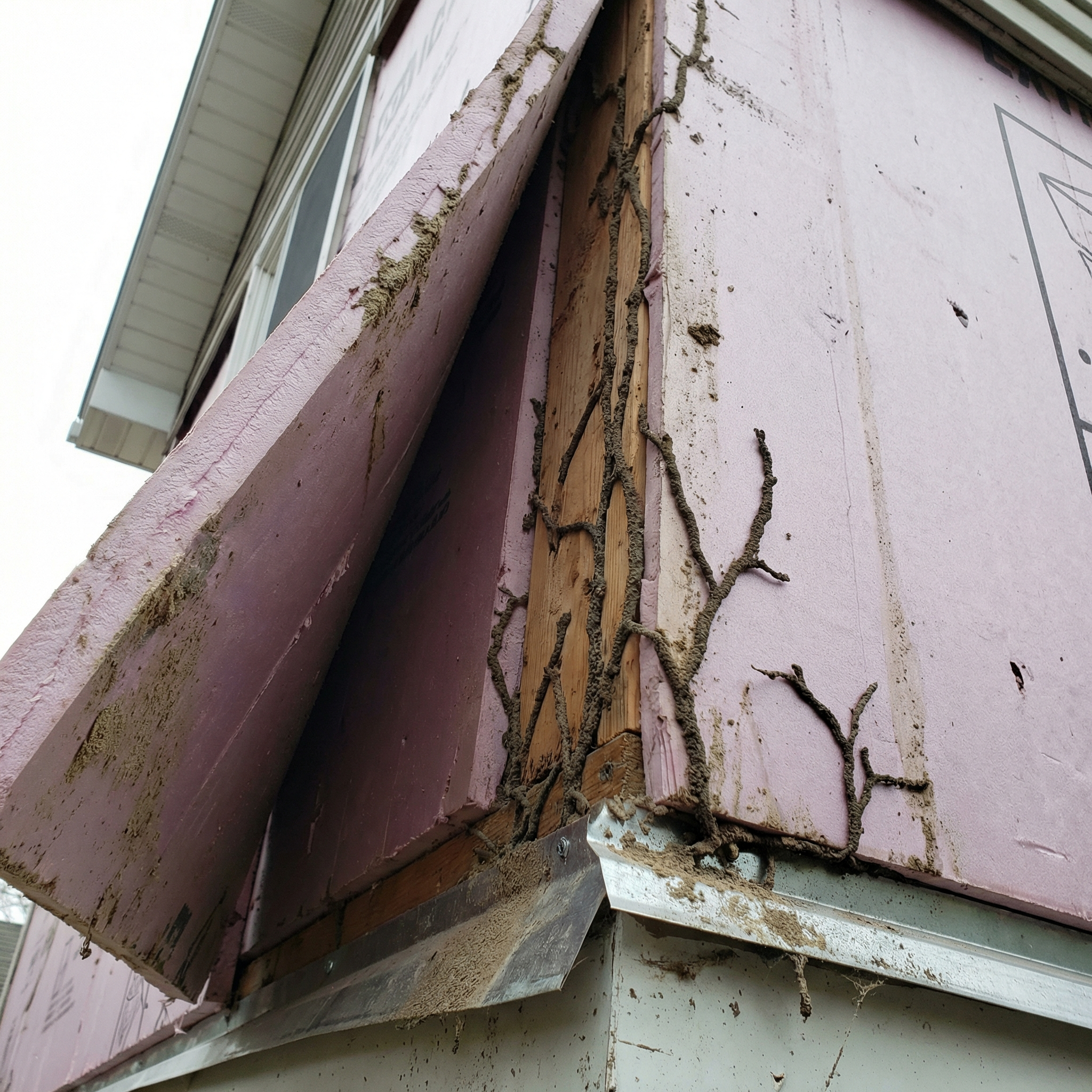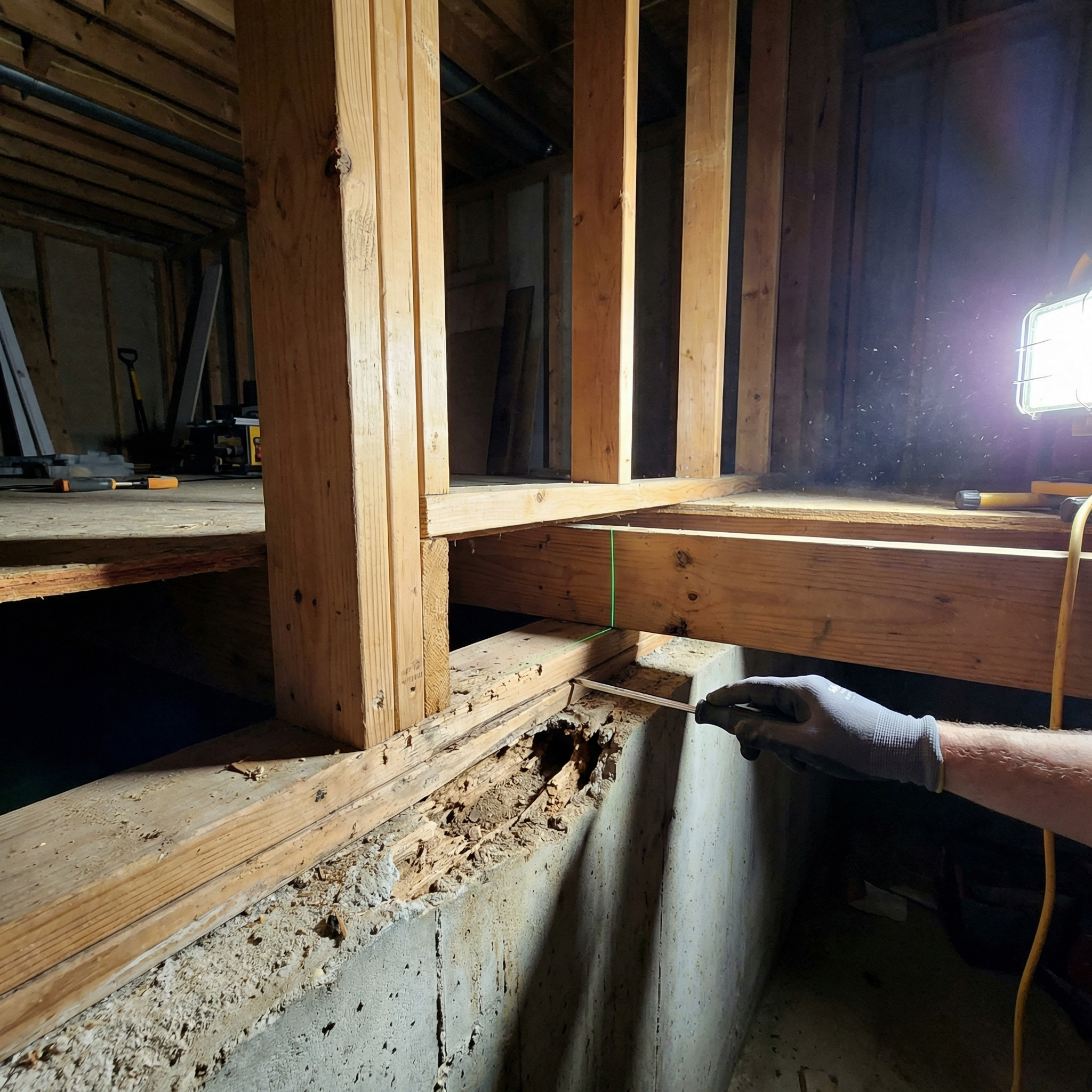


Pricing Clarity Turns Termite Work From Scary Expense Into Smart Investment
For most homeowners, termite inspection and treatment feel more like a crisis purchase than a planned project. When they are already stressed about possible damage, vague or complicated pricing only adds to the anxiety. Transparent, well-structured pricing helps turn that fear into informed decision-making, which benefits both the homeowner and the pest professional. By setting clear expectations for inspections, treatments, and repairs, you reduce misunderstandings and callbacks. You also position termite protection as a long-term value rather than a confusing, one-time bill.
Inspection Fees That Make Sense Before You Step on Site
Inspection pricing is the first place homeowners decide whether they trust a termite company, often before they ever meet an inspector. When inspection fees are hidden, highly variable, or explained in technical jargon, people assume there will be surprises later. A clear fee structure that distinguishes between basic inspections and more detailed, real-estate or supplemental inspections helps clients match the service to their situation. Listing what is included, what is excluded, and when additional charges might apply removes the fear of an open-ended invoice. The more specific you are about how inspection pricing works, the more comfortable clients feel scheduling that initial visit.
Transparent inspection pricing also requires explaining why different homes may fall into different tiers. Square footage, crawlspaces, add-on structures, and prior termite history can all legitimately affect the time and care required. Homeowners should understand in simple language when an inspection might cost more and why that extra attention protects their property. When you share a range upfront, then confirm the exact fee after seeing the home but before you begin, you show respect for both time and budget. That small step builds credibility long before you discuss any treatment costs.
Treatment Proposals That Separate Labor, Materials, and Monitoring
Once activity or risk is confirmed, treatment pricing often feels like the most intimidating line item to homeowners. Breaking termite treatment proposals into clear parts makes those numbers easier to understand and compare. Separate pricing for labor, termiticides or bait systems, equipment setup, and any follow-up monitoring shows where their money is going. This structure also helps explain why a seemingly higher-priced service might actually deliver more value over time. When each component is labeled and described, you turn a single big number into a logical, step-by-step plan.
Transparency also means explaining how property conditions drive treatment costs, not just listing a total. Obstructions, complex foundations, and prior DIY attempts can significantly alter the amount of material and labor required. If you explain these factors before presenting the price, homeowners see the connection between the condition of their property and the treatment design. They are far less likely to feel upsold when they understand that thorough coverage in difficult areas prevents future infestations and extra visits. By tying each cost line back to specific protection benefits, you replace sticker shock with a clear sense of value.
Repair Pricing That Separates Safety Work From Optional Upgrades
When termite damage requires repairs, unclear pricing can quickly derail trust, even if the inspection and treatment were well received. Homeowners need to know which repairs are necessary for safety, which are needed to stop further damage, and which are cosmetic or elective. Structuring repair estimates into these categories makes it easier for clients to prioritize within their budget. Line-item costs for each area of damage allow homeowners to see where they can phase work if needed. This clarity prevents the feeling that everything must be done immediately at any cost.
It is equally important to describe what is included in a repair price and what might fall under another contractor’s scope. If your team handles only certain types of structural or finish repairs, say so plainly and indicate where another trade might be needed. When you highlight potential cost overlaps or gaps, you protect the homeowner from duplicate charges or unpleasant surprises later. Transparent repair pricing also means being honest about what repairs will and will not improve appearance or resale value. That honesty strengthens your role as a protector of the home, not just a seller of services.
Explaining Warranty, Renewal, and Monitoring Costs Upfront
Warranties and monitoring programs are often where long-term termite costs live, yet they are rarely explained with enough detail early in the conversation. Homeowners deserve to know, in writing, what is covered, what is excluded, and how long each protection lasts. Pricing for annual renewals, re-inspections, or bait station maintenance should be clearly spelled out before they sign any agreement. When clients can see the projected cost over several years, they can judge termite protection the way they judge other home investments. This longer view helps them see value in consistent monitoring instead of waiting for the next emergency.
Transparent warranty pricing also includes discussing conditions that could change future costs. Events like remodeling, landscaping changes, or new moisture issues may affect how effective a current treatment remains. If you explain how these changes might trigger additional inspections or spot treatments, homeowners will not feel blindsided if those services become necessary. Including a simple schedule of what happens at each annual visit, and what each visit costs, keeps expectations aligned. That clarity turns renewals from an unwelcome bill into a predictable part of responsible home maintenance.
Written Summaries That Match the Conversation, Not Confuse It
Even when pricing is explained clearly in person, homeowners often remember only fragments once the stress of termites sets in. Written summaries that match your verbal explanation help anchor that conversation. A well-structured document that mirrors how you walked them through inspection findings, treatment options, and repair recommendations is easier for families to review together. Using the same headings and terms in print that you used on site avoids confusion and reduces follow-up calls. When the written proposal aligns with what they heard, trust deepens rather than erodes.
Clarity in writing does not mean drowning people in technical language or dozens of tiny fees. Grouping related costs, using plain labels, and highlighting any optional items makes the document friendly rather than intimidating. You can still include necessary legal or technical details in a separate section, while keeping the main pricing summary readable. Encourage homeowners to ask questions about any line they do not understand, and make it easy to reach you. This open-door approach around pricing signals that you have nothing to hide and everything to gain from an informed client.
Questions Homeowners Should Feel Comfortable Asking About Termite Pricing
Transparent termite pricing is not just about what the company says; it is also about what the homeowner feels safe asking. Clients should never be made to feel awkward for requesting a breakdown of costs or an explanation of alternatives. Encouraging questions such as how long the treatment is expected to last, what might change the price later, and how repairs were prioritized shows confidence in your own pricing model. When homeowners sense that you welcome scrutiny, they are more likely to choose you over a competitor with a vague, low number. In many cases, that perceived honesty outweighs minor price differences.
It also helps to invite comparison in a structured way. Suggest that homeowners look for similar levels of detail, warranty terms, and repair scopes when reviewing other bids. Explain that a low price without a clear breakdown may hide shortcuts or future add-ons. By giving them a simple checklist of what a transparent termite proposal should include, you act as an advisor rather than just a salesperson. That advisory role is often what wins the job and earns referrals long after the termites are gone.