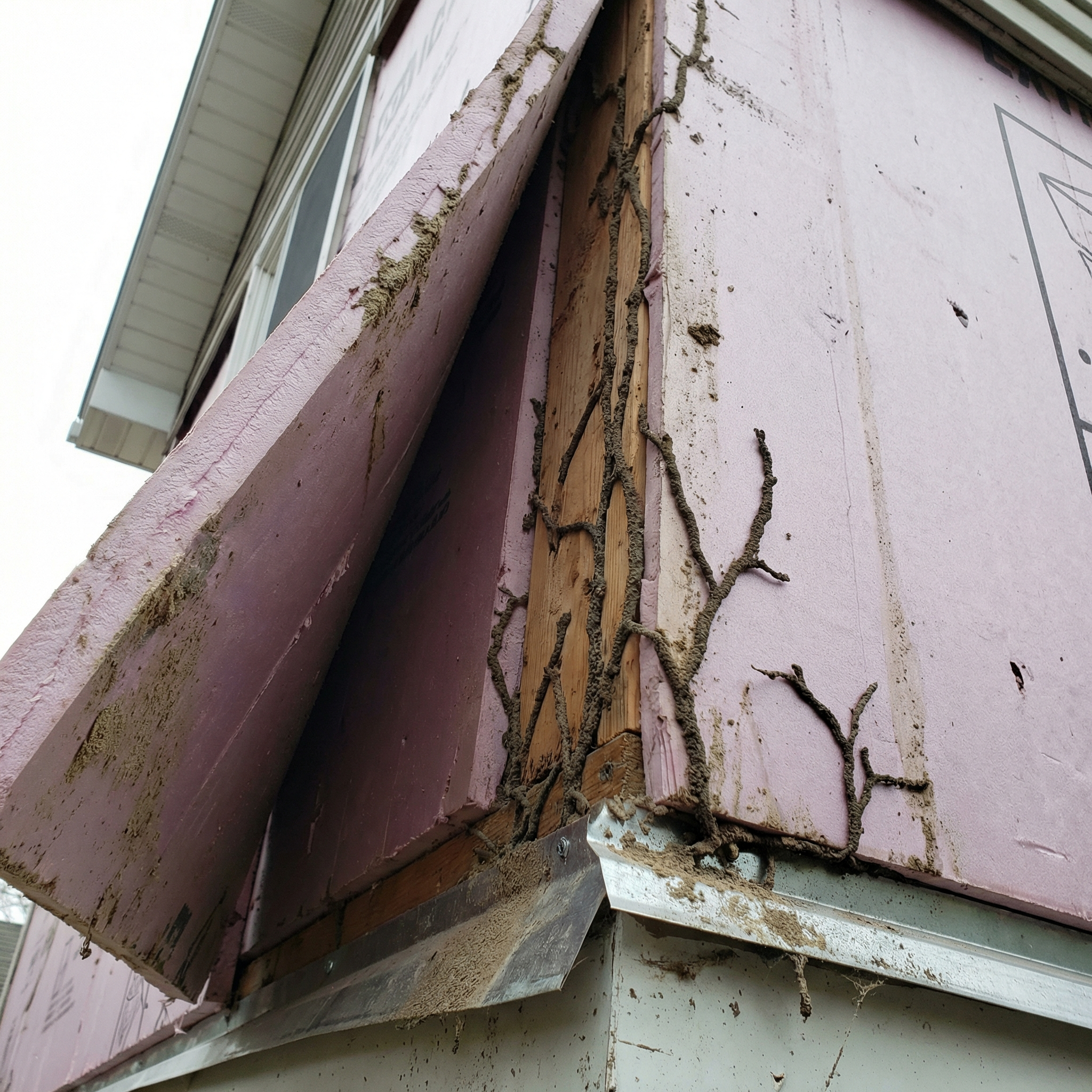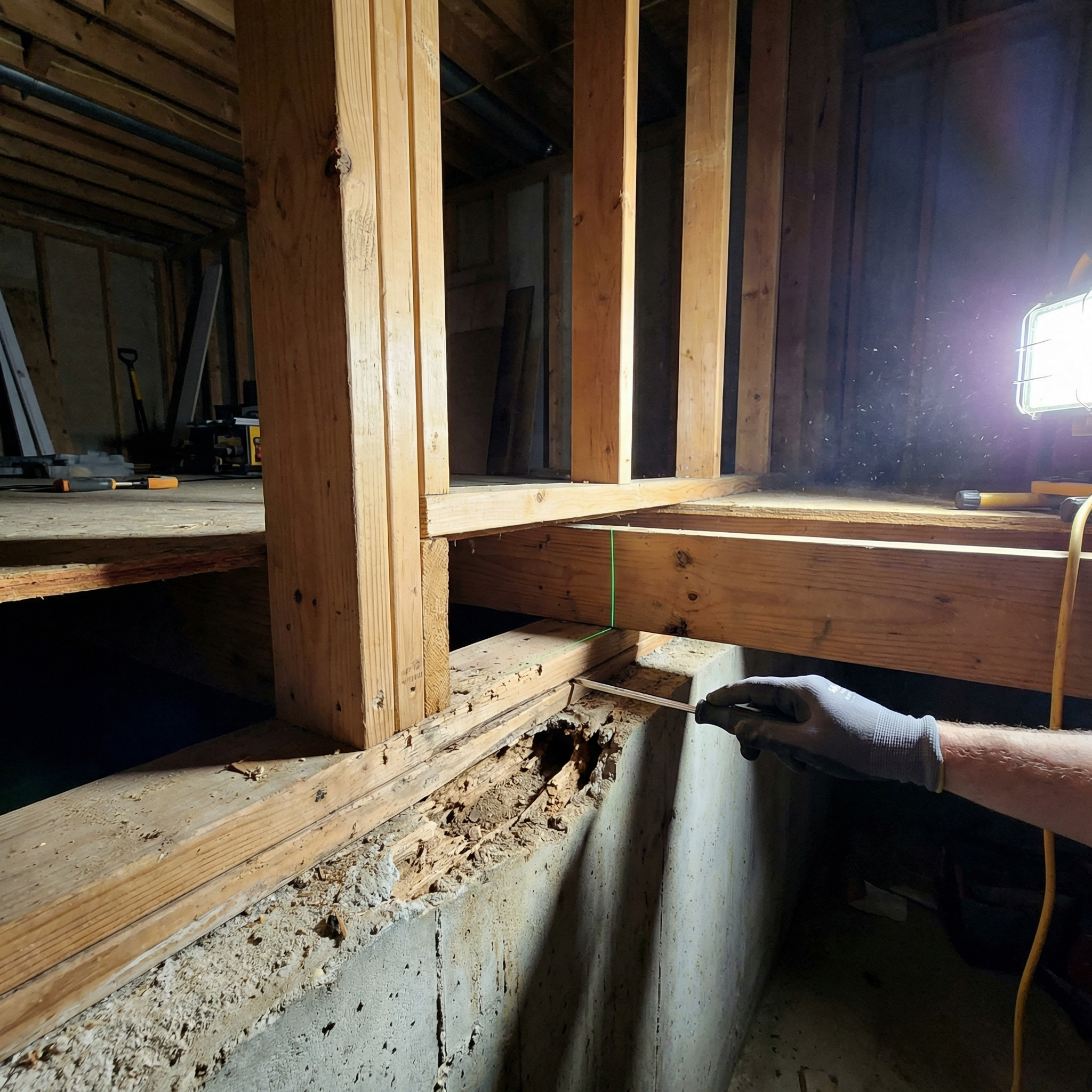


Termite Re-Inspection Speed That Keeps Real Estate Deals Moving
In real estate, termite work is often the last hurdle before a closing can happen. When treatment is completed but the re-inspection drags on, nervous buyers, impatient sellers, and anxious agents all start watching the calendar. A clear 24–48 hour re-inspection commitment from your termite company can turn that stressful limbo into a predictable step. Instead of everyone wondering when the clearance letter will arrive, they can plan confidently around a known window. That single promise can shift your role from potential bottleneck to trusted deal-accelerator.
- Reduces last-minute closing delays tied to termite clearance.
- Gives agents and coordinators a reliable schedule anchor.
- Positions your company as a proactive, closing-friendly vendor.
Why Closing Timelines Hinge On Timely Termite Re-Inspections
Most contracts treat termite clearance as a condition that must be satisfied before funds can move and keys can change hands. Even when treatment is complete, lenders and closing attorneys usually require a re-inspection or final report confirming that work. If that follow-up lags, the entire transaction can stall even though the termites are already addressed. Buyers may have movers booked, sellers may be under contract on their next home, and every extra day can cost money. By contrast, a dependable 24–48 hour window ensures termite paperwork keeps pace with the rest of the closing checklist.
- Aligns termite clearance with loan and title document timelines.
- Prevents treated homes from sitting in administrative limbo.
- Reduces stress for clients watching contingency deadlines.
Termite vendors that do not define re-inspection timelines leave everyone guessing. Office staff field repetitive status calls, technicians get pulled off routes for urgent rushes, and agents scramble to update closing dates. A standing 24–48 hour policy eliminates this guesswork by giving every stakeholder a realistic expectation. When the industry knows your standard, they start building your timing into their transaction planning. That reliability quickly becomes part of your reputation in local real estate circles.
- Cuts down on emergency “rush” requests from panicked agents.
- Lets you schedule workloads more evenly across your team.
- Builds confidence among coordinators who manage many files.
The 24–48 Hour Promise As A Competitive Advantage
Many termite companies quietly operate on a “we will get back out there when we can” approach. That may have worked when markets moved slower, but today’s tight closing windows punish vague timelines. Advertising a 24–48 hour re-inspection policy immediately separates you from vendors who cannot or will not commit. Agents juggling multiple escrows quickly learn which partners help them close on time. Over time, the company with the clearest promise often becomes the default recommendation.
- Turns speed into a marketing message instead of an internal secret.
- Appeals directly to high-volume agents and transaction coordinators.
- Creates a simple talking point for your sales and office staff.
This commitment also enhances your value with buyers and sellers who may never hire you again but will talk about their experience. When they see a technician back on site within two days to verify treatment and finalize paperwork, it signals professionalism and respect for their schedule. Even if the infestation was stressful, a smooth finish leaves a positive impression. That kind of goodwill generates word-of-mouth referrals to neighbors who later face termite issues. Speed, when paired with quality, becomes a story clients retell.
- Increases five-star reviews that mention responsiveness.
- Encourages agents to highlight you in post-closing follow-ups.
- Turns a required service into a memorable, share-worthy experience.
Designing A Re-Inspection Workflow That Fits Escrow Reality
A 24–48 hour re-inspection promise only works if the workflow behind it is realistic. Start by mapping which treatments in your service menu routinely require a formal re-inspection for closing. Then review your average technician availability, drive times, and route density around common transaction hot spots. Many companies find that assigning a dedicated “closing support” technician, even part-time, keeps commitments on track. Others block re-inspection windows on each route so technicians can respond quickly when treatments wrap up.
- Identify which service types trigger automatic re-inspections.
- Reserve daily calendar space specifically for follow-up visits.
- Designate backup staff to cover sudden spikes in closing volume.
Technology can make this timing even more predictable. When treatments are completed, your system should flag jobs that require a closing-sensitive recheck within 24–48 hours. Automated reminders sent to dispatch and inspectors reduce the risk of oversights when workloads are heavy. Integrating with scheduling tools that agents already use, where possible, keeps everyone looking at the same dates. With each of these pieces in place, your promise becomes a routine process instead of a heroic rush.
- Use job codes that clearly mark “closing-critical” treatments.
- Trigger internal alerts the moment technicians mark work complete.
- Track completion timestamps to confirm you stayed within the window.
Communication Templates That Keep Agents And Lenders Calm
Speed on site matters, but communication often matters just as much. Agents, coordinators, and lenders want to know not only that you will return quickly, but exactly when. Simple, standardized messages can remove uncertainty and reduce inbound phone calls. For example, confirm at the time of treatment that re-inspection will occur within 24–48 business hours and offer a contact for urgent questions. That single scripted explanation can save your office from many status inquiries later.
- Create a standard closing-focused explanation for technicians to share.
- Send email confirmations with the expected re-inspection window.
- Include your policy on every treatment invoice tied to a sale.
On the back end, provide status updates that align with transaction milestones. When the re-inspection is scheduled, send a brief note confirming the date and approximate time. Once it is complete and documents are being prepared, let the agent or coordinator know what to expect next. If something unexpected delays the clearance, communicate it immediately with a realistic new timeframe. Consistent, proactive messaging keeps nerves calm even when issues arise.
- Notify stakeholders when appointments are booked, not just completed.
- Flag any findings that might affect closing documents right away.
- Offer a direct line or email for time-sensitive escrow questions.
Documenting Re-Inspections To Satisfy Underwriters And Attorneys
A fast re-inspection only helps closing timelines if the documentation arriving afterward is clear. Your re-inspection findings should directly reference the original report and treatment so underwriters and attorneys can connect the dots quickly. Use consistent language that indicates whether conditions have been corrected, monitored, or require further work. Date and time stamps help prove you met the promised 24–48 hour window. When paperwork is easy to interpret, file reviewers move faster and ask fewer follow-up questions.
- Link re-inspection reports to the original job or report number.
- State treatment verification in plain, unambiguous language.
- Highlight any remaining concerns that could affect the structure.
Standard formats also simplify life for your own team. When everyone knows exactly what a closing-ready re-inspection report must include, there is less variation from one technician to another. Office staff can quickly review for completeness before sending documents on. Over time, this consistency builds trust that your reports will not create surprises at the closing table. That reputation is as valuable as your speed.
- Use templates tailored specifically for real estate transactions.
- Train technicians on the wording lenders and attorneys prefer.
- Audit a sample of reports monthly to maintain quality.
Measuring Results And Marketing Your Fast Re-Inspection Standard
Once your 24–48 hour re-inspection system is running, track how it affects closings. Measure average time from treatment completion to re-inspection and from re-inspection to final document delivery. Note how often your team hits the promised window and identify patterns when you do not. These numbers guide staffing decisions during peak listing seasons and market shifts. They also give you concrete proof of performance when talking with brokers and investors.
- Build simple dashboards showing your average re-inspection turnaround.
- Review performance data in regular operations meetings.
- Adjust staffing during historically busy closing months.
With real data behind you, promote your standard thoughtfully to the real estate community. Mention your 24–48 hour re-inspection commitment in presentations, listing packet inserts, and office visits. Share anonymized examples of transactions that stayed on track because termite clearance arrived quickly. Over time, agents begin to associate your brand with smooth, predictable closings. That association keeps your schedule full long after the initial promise is made.
- Highlight your turnaround metrics in marketing pieces aimed at agents.
- Encourage partners to share success stories involving your team.
- Position your company as a closing-focused termite resource, not just a vendor.