
Turning Exterior Lights Into A Termite Risk Control Tool
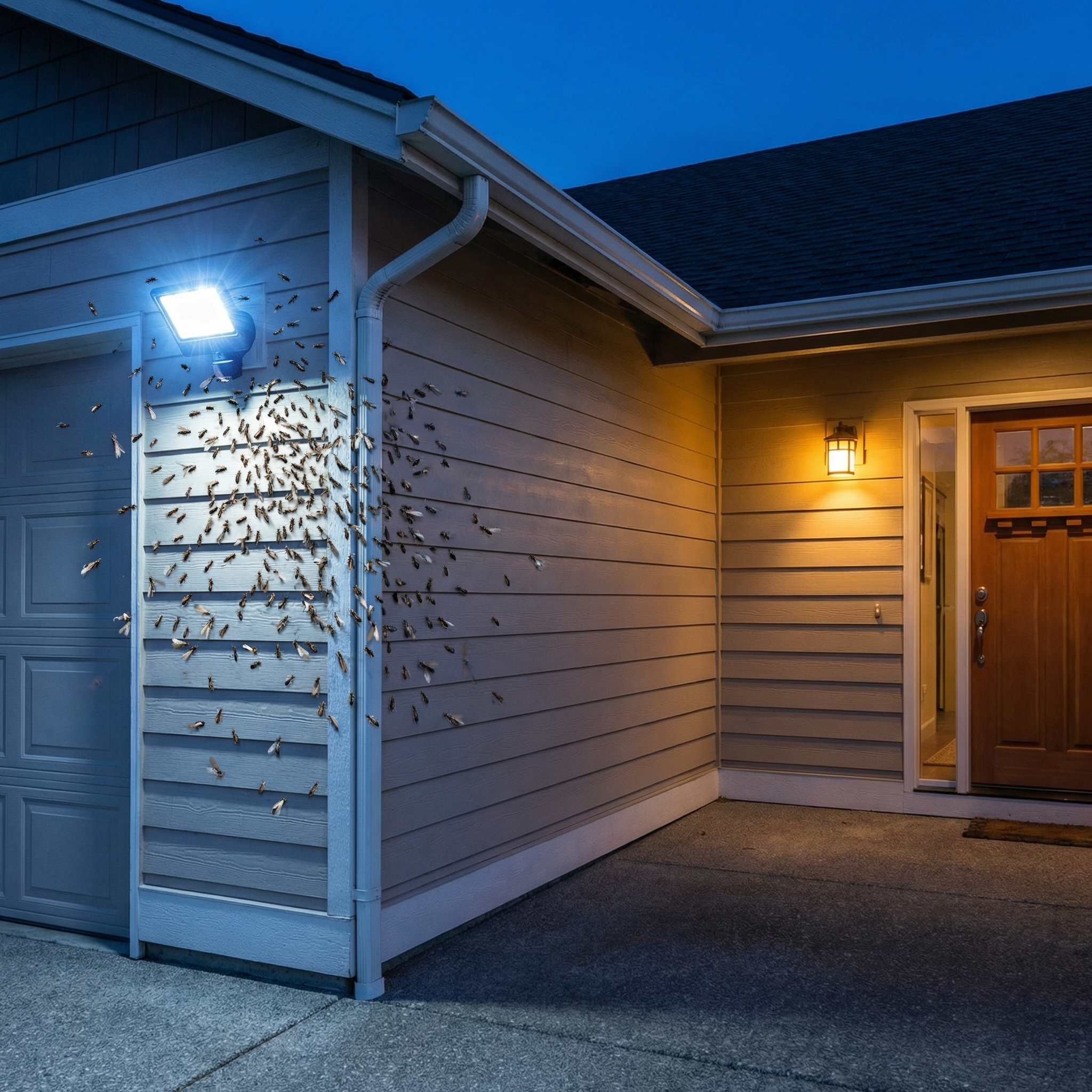
Every spring, countless homeowners call pest control companies with the same complaint: flying termites covering porch lights and slipping inside through front doors. Those brief evening swarms can become the starting point for long-term interior infestations, especially when bright fixtures sit directly over thresholds and window heads. Exterior lighting that reduces swarm attraction near entry points creates a simple but powerful barrier before termites ever reach interior wood. For termite professionals, treating lighting as a controllable risk factor adds a highly visible value clients can see every night. When you design service recommendations around smarter lighting, you help clients protect their investment while reducing future retreatment pressure on your team.
Connecting Termite Swarm Behavior To The Glow At The Door
During swarm season, reproductive termites leave mature colonies and fly toward the lightest areas in their environment. On a typical home, that often means porch fixtures, garage sconces, and bright windows near doors where warm indoor light spills outside. Once drawn in, swarmers land on siding, door trim, thresholds, and window frames, then shed their wings and search for sheltered gaps. Any crack at the bottom of a door, gap at a jamb, or poorly sealed sill becomes a convenient entrance to the structure. When lights pull this activity directly to entry points, the chance of termites establishing themselves inside rises sharply.
Shifting the way a property is lit does not change termite biology, but it does change where that behavior concentrates around a structure. When you redirect light away from the precise areas termites use to access interior wood, you effectively move the “landing zone” off the front line. This simple adjustment means fewer swarmers lingering at thresholds and fewer chances for them to discover moisture, soil contact, or vulnerable wood members inside. For inspectors, noting and explaining this connection builds credibility, because clients can relate their nighttime observations to the professional advice you provide. That relationship makes it easier for them to follow other preventive recommendations you include in your reports.
Repositioning Fixtures To Pull Swarms Away From Entry Points
One of the most practical termite defenses is also one of the least expensive: moving light sources away from the exact edges of doors and windows. Fixtures mounted directly above a front door cast a bright pool of light on the threshold, door sweep, and frame seams, all of which are common entry routes. By relocating that same fixture a few feet to the side or higher on the wall, you can keep the doorway visible for safety while drawing insects toward a different surface. When swarmers congregate on brick, siding, or a decorative column instead of the doorframe, they encounter far fewer direct paths indoors. The overall appearance of the home stays inviting for people, but less inviting for pests.
Termite professionals can turn fixture placement into a standard conversation during exterior inspections. When you walk a client around the property, point out any lights within a few feet of ground-level doors and low windows, especially near visible gaps or weathered trim. Suggest alternative mounting positions such as side-wall brackets that cast light across, rather than directly onto, the opening. Reinforce that the goal is not to darken the doorway, but to shift where insects gather so they do not cluster at points of vulnerability. This guidance costs the homeowner little yet can significantly cut down on swarmer activity right where infestations most easily begin.
Choosing Bulbs And Color Temperatures That Attract Fewer Swarmers
Not all exterior bulbs attract flying insects equally, and that includes termite swarmers. Many insects respond more strongly to brighter, cooler, and more UV-rich light, which traditionally has meant some fluorescent and older-style bulbs. Warmer color temperatures and lower-intensity light can reduce overall attraction for a variety of night-flying pests, helping calm the cloud of wings that often forms near entry points. For homeowners, choosing bulbs described as warm, soft, or low-glare can be a simple upgrade that supports your termite protection plan. While lighting is never a stand-alone control method, it becomes an important layer in an integrated strategy.
When advising clients, emphasize that visibility and safety still matter, so changes should be thoughtful rather than extreme. Encourage them to reserve their brightest, coolest bulbs for areas well away from doors and low windows, such as the far end of a driveway or detached structures. Near entry points, recommend warmer-toned bulbs and fixtures designed for focused, rather than flood-style, illumination. This approach preserves secure walkways while shrinking the bright halo that draws swarmers to critical gaps. By weaving bulb recommendations into your inspection notes, you offer a practical, store-aisle solution that clients can act on immediately.
Shielding, Downlighting, And Timers As Termite Risk Controls
Fixture design is just as important as bulb choice when your goal is to reduce termite interest at entry points. Shielded and downlighting-style fixtures direct light toward the ground and away from the upper portions of the door frame and surrounding siding. This keeps steps and locks visible while minimizing the bright vertical surfaces that attract landing swarmers. Glass-heavy fixtures that glow in every direction create a large visual target for insects, especially on still, humid evenings when swarms are most active. Recommending shielded designs near doors helps keep that attraction zone tighter and closer to the ground, where entry gaps are easier to seal and monitor.
Control systems such as timers and motion sensors add another layer of protection by reducing how long lights stay on during peak swarming windows. Instead of leaving porch and patio lights burning for hours, a motion-activated setup provides light only when someone approaches the door. This shortens the nightly exposure time that can draw swarmers to thresholds night after night during their seasonal flights. For clients in high-pressure termite areas, suggest programming timers so decorative lights shut off shortly after usual evening activity ends. These modest changes work quietly in the background, lowering attraction without asking the homeowner to remember a new routine every night.
Building Exterior Lighting Checks Into Termite Inspections
Exterior lighting should become a standard item on every termite inspection checklist, not an afterthought. As you circle a structure, pause at each ground-level entry and note the presence, placement, and type of nearby fixtures. Consider how the beam falls on thresholds, frames, and siding, especially where you can already see settlement cracks, caulk failures, or gaps. Treat those combinations of light and access as risk clusters, similar to how you view soil-to-wood contact or chronic moisture. The clearer this pattern becomes to you, the more targeted and persuasive your recommendations will be for the client.
To make lighting assessments consistent across your team, turn them into a simple set of observable points and written suggestions. During each inspection, technicians can quickly document three items for every lit entry point:
- Distance between the primary fixture and the nearest door or window opening.
- Direction of light, especially whether it falls directly on frames and thresholds.
- Type and approximate brightness or color of the bulb in use.
These details translate easily into clear notes in your reports, such as advising relocation of a fixture, recommending a warmer bulb, or suggesting a shielded design. Over time, this consistency helps your company build a recognizable standard of care that homeowners come to expect and trust.
Educating Clients So Lighting Changes Deliver Lasting Protection
Lighting recommendations gain power when homeowners understand how they connect to swarm behavior and interior infestation risk. During walkthroughs, explain that every swarmer landing at a doorframe represents a potential step closer to hidden colonies in walls and flooring. When you show clients how moving or changing a light can redirect those insects to less critical surfaces, the benefit feels concrete and immediate. Use simple language such as “We want the light to pull them to the wall, not your doorway,” so the concept is easy to remember. The more straightforward the explanation, the more likely clients are to follow through on your suggestions.
Encourage property owners to monitor their own lighting success during the next swarm season by noticing where insects gather at dusk. Suggest they take quick photos or short notes if they see heavy swarmer activity at specific fixtures and share those observations at their next service visit. This turns the client into an active partner in long-term termite management and gives your team valuable feedback on which lighting strategies work best in your area. As success stories accumulate, incorporate them into your training so technicians can confidently present lighting adjustments as part of a broader protection plan. In this way, a few simple changes at the switch and fixture level help lock in the gains made by your inspections and treatments inside the structure.