
Listening for Trouble in the Trim
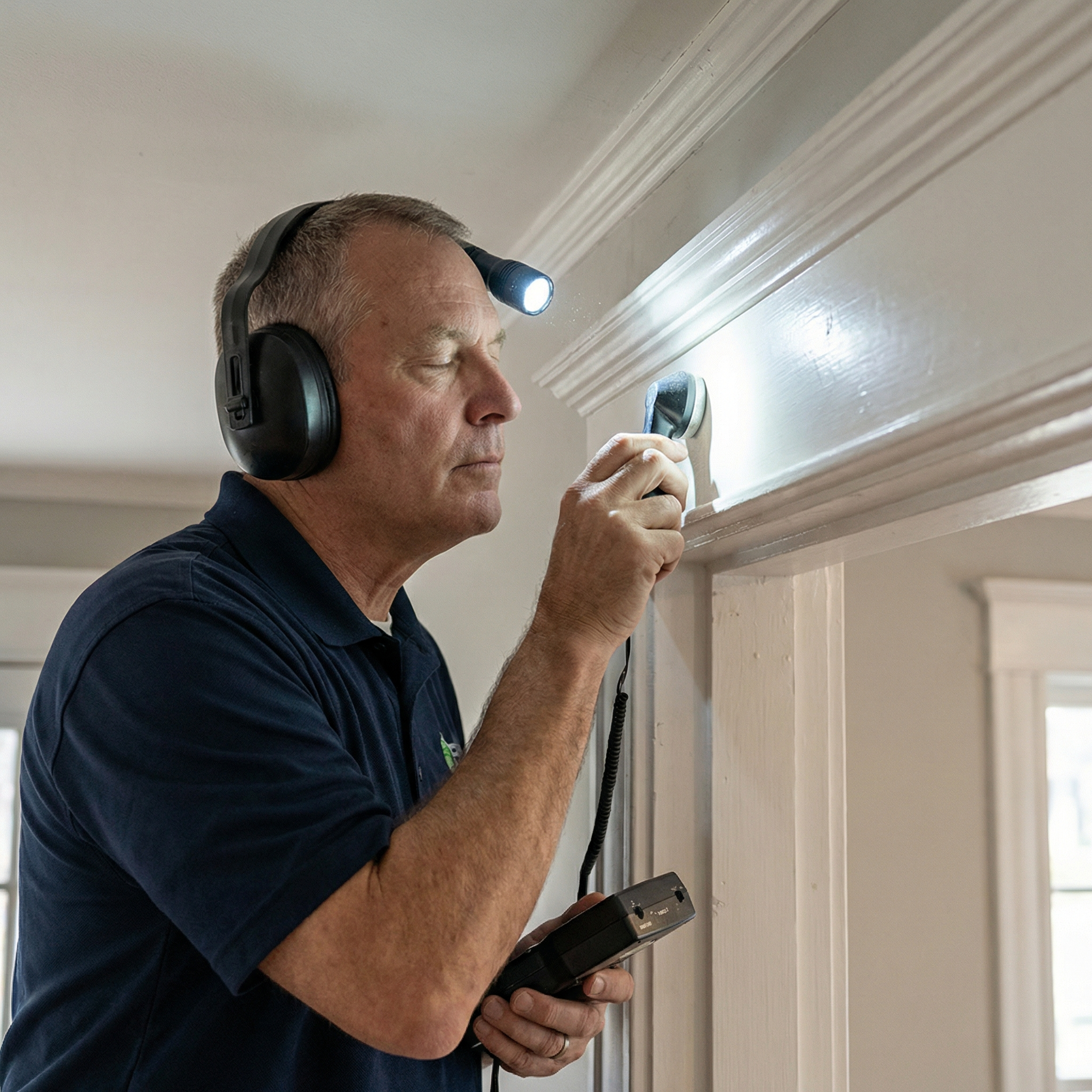
In termite inspection, sounding tools and probes work like a stethoscope for a home’s finish work. Baseboards, door frames, and window sills often look solid while hidden galleries run just beneath the painted surface. Visual inspection alone rarely tells the full story in these narrow, decorative components. By adding sound and touch, inspectors can translate subtle feedback into clear evidence of activity or past damage. When used with discipline and consistency, these tools turn quiet trim into a surprisingly honest witness.
Sounding and Probing: Your Front-Line Termite Sensors
Sounding tools and probes are simple, but they reveal complex information when used correctly during termite inspections. A light tap across trim work compares solid wood to hollowed sections that have been tunneled out by colonies. A gentle probe confirms what the ear suspects, testing surface resistance and checking for hidden voids just behind the paint. Together, these tools help separate cosmetic scuffs from structural compromise, which is crucial in finished living spaces. This guided feedback lets technicians recommend treatment and repairs with much more confidence.
Termite galleries inside baseboards, frames, and sills often track along grain lines and behind finish materials where they cannot be seen. When you move a sounding tool steadily along these pieces, you are actually mapping density changes created by that unseen excavation. Areas that respond with a dull or papery note deserve closer probing, even if the paint still looks intact and smooth. A probe that suddenly breaks through thin wood confirms the presence of interior damage instead of superficial surface wear. The more consistently this process is repeated, the more reliably you can separate minor defects from serious infestations.
Choosing the Right Tools for Trim, Frames, and Sills
Not every sounding tool or probe is suited to delicate interior woodwork, so selection matters in termite inspection work. A compact, lightweight sounding tool gives better control along narrow profiles and avoids unnecessary scarring of finished surfaces. Probes need a fine point that can test small suspect areas without tearing large chips from the paint. Handles with good grip reduce the temptation to use excessive force, which protects the structure and the inspector. When tools feel precise in hand, the inspector can focus on feedback instead of fighting the equipment.
Material and shape also influence the clarity of the signals you receive as you move along baseboards and frames. A smooth, hard tip creates a consistent note against painted trim, making hollow sections easier to distinguish from healthy wood. Probes with slightly flexible shafts can help you sense resistance changes that a rigid tool might simply punch through. It is important that each tool be kept clean and free of paint buildup so vibrations do not get muffled. Over time, inspectors often develop a preferred combination of sounding tool and probe that turns repeated taps into recognizable patterns.
Reading Baseboards: From Hollow Notes to Hidden Galleries
Baseboards create a continuous run of trim that can carry termite galleries around an entire room without obvious visual clues. Begin sounding at a corner and move methodically along, keeping your tap pressure and spacing as uniform as possible. Listen for changes from solid, crisp sounds to softer, drumlike, or papery notes that indicate interior voids. Where the tone shifts, return with a probe and test just enough to confirm whether the surface is only thinly supported. This measured approach preserves the finish while still documenting the shape and extent of hidden termite activity.
The junction where baseboards meet flooring and wall materials deserves special attention because termites often travel in concealed paths there. Focus sounding passes near nail lines and along any slight bulges or ripples in the paint that suggest underlying deformation. A probe that slides in easily along the top edge or behind shoe molding can reveal galleries that have hollowed the backside. Recording each suspect stretch in your notes or inspection software turns those faint sounds into actionable mapping data. That mapping supports targeted treatments and future monitoring instead of broad, unfocused interventions.
Door Frames: Vertical Clues in Narrow Profiles
Door frames pack a lot of structural responsibility into a very narrow footprint, which makes termite damage here especially important to locate early. Since frames rise vertically, galleries may follow grain lines up and down both sides, sometimes bypassing more obvious wall surfaces. Work your sounding tool along both the interior and exterior faces of the jamb, concentrating near latch areas and hinges. Subtle hollow notes around hardware can hint at damage that compromises both the frame and the way the door secures. When probing, start at small anomalies such as hairline cracks or chipped paint rather than creating new openings.
Because door frames are frequently handled, kicked, and bumped, inspectors must separate normal wear from insect-related weakening. Probes help clarify this by revealing whether soft spots are shallow dents or deep voids connected to hidden galleries. When a probe sinks too easily behind a strike plate or along the stop, the frame may be carrying termites in from surrounding wall cavities. Document which side of the frame is affected and how far the softness extends vertically to guide both treatment and repair planning. Thorough work here protects not only the trim’s appearance but also the door’s function and the home’s security.
Window Sills: Moisture, Sunlight, and Silent Damage
Window sills create a complex environment for termite inspection because they blend wood, paint, glass, and sometimes previous patching or caulking. Moisture intrusion around windows can make wood more attractive to termites while also softening it for decay, which complicates interpretation. Sounding along the full length of the sill, including corners and seams, helps distinguish isolated water damage from more continuous termite tunneling. Areas that sound uniformly dull and respond to probing with extensive hollowing deserve particular attention and careful documentation. Inspectors should also check the underside of interior sills where galleries may travel unnoticed beneath decorative trim edges.
Upper and lower components around a window can share hidden galleries even when only one section shows visible swelling or paint cracking. Probe suspicious areas in small increments, watching for the telltale feeling of a cavity extending beyond the immediate test point. When sounding reveals a long stretch of inconsistent tone, follow with a series of measured probes to outline the hidden damage. This structured approach reduces guesswork and helps separate localized soft spots from galleries that travel across multiple window components. With accurate mapping, pest professionals can recommend treatments that match the actual risk instead of relying on assumptions.
From Feedback to Findings: Documenting and Communicating Risk
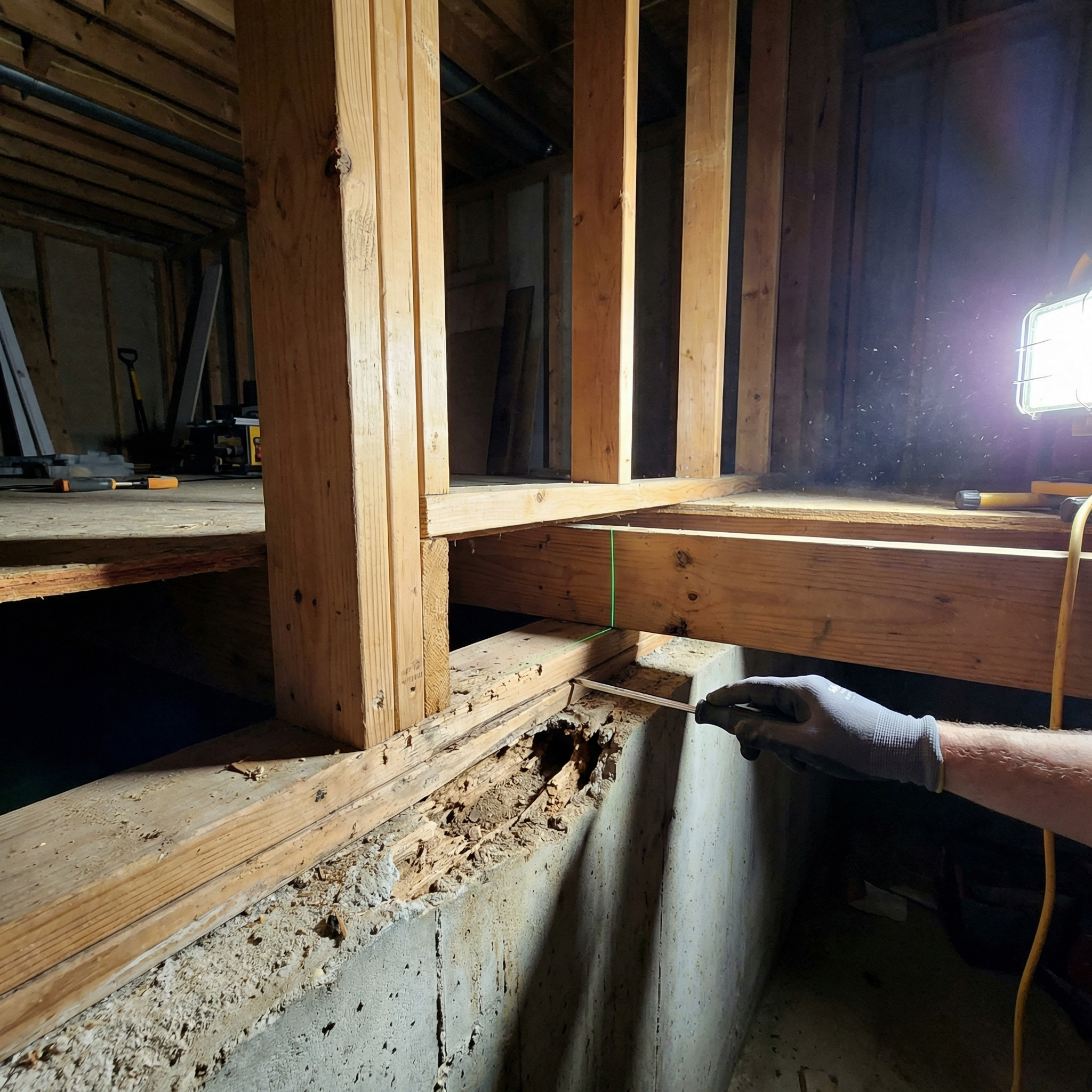
The real value of sounding tools and probes appears when their feedback is translated into clear, documented findings for clients and repair teams. Every hollow note, soft probe, or sudden void should be logged with location, extent, and suspected gallery direction. Photos of small test points, captured alongside notes about auditory and tactile feedback, make reports more persuasive and easier to understand. When you explain that a single probe hole revealed a larger cavity running the length of a baseboard, clients see the bigger picture. This connection between subtle tool feedback and meaningful risk helps justify both treatment plans and follow-up inspections.
Organizing your notes around specific components such as baseboards, door frames, and window sills makes future visits more efficient and informative. On a return inspection, you can quickly re-sound previously active areas and compare today’s feedback with your earlier records. Consistent or improving tones may indicate successful control, while new hollows suggest fresh activity or progressing damage. Clear communication about these changes turns sounding and probing from a one-time diagnostic into an ongoing monitoring strategy. Over time, this disciplined approach reinforces your role as a careful listener to the structure, not just a spot treater of visible pests.