
Moisture Control: The Overlooked Termite Defense in Wet Rooms
In termite inspection and pest control, technicians are trained to probe wood, read mud tubes, and evaluate soil conditions, yet chronic plumbing leaks often slip under the radar. Kitchens, baths, and utility rooms quietly create the steady moisture that termite colonies need to thrive, even when the structure appears otherwise dry. A focused plumbing leak audit inside these spaces turns your inspection from reactive damage-finding to proactive risk elimination. By treating water as a critical part of the termite equation, you dramatically reduce the chances of future infestations taking hold. This mindset elevates your service from simply treating termites to reshaping the conditions that allow them to return.
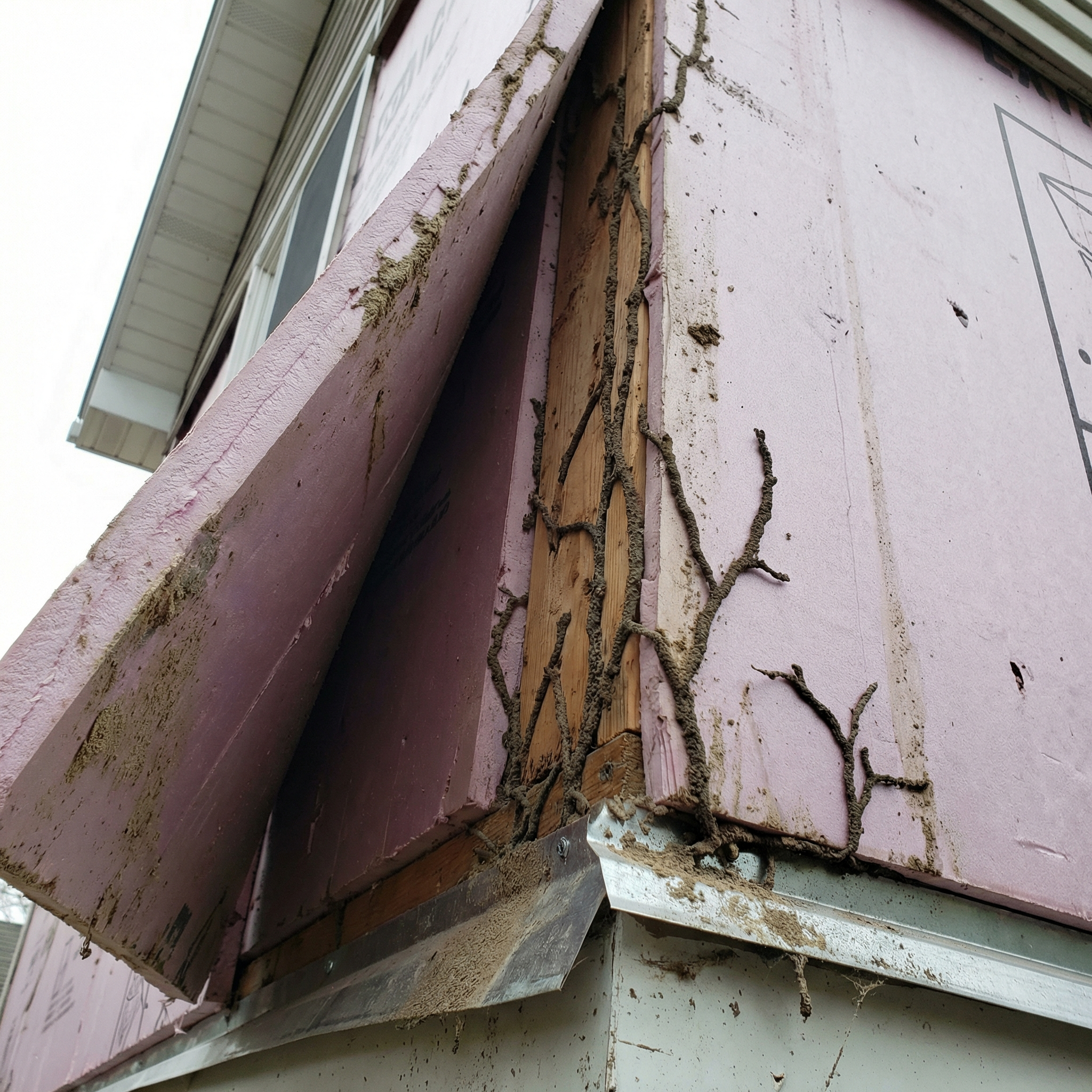
Termites are not attracted to wood alone; they are attracted to wood that stays damp long enough to soften and support fungal growth. Small, ongoing plumbing leaks can keep sill plates, subflooring, and framing at just the right moisture level for years. When inspectors incorporate structured leak checks into every interior visit, they uncover hidden termite pressure points long before tunnels appear. This approach creates clearer recommendations for clients and more durable results for any treatment you apply. It also positions your company as a building health partner, not just a pest responder.
Why Kitchen Plumbing Leaks Attract Termites
Kitchens combine frequent water use with plenty of concealed building materials, making them a prime moisture source for termites. Sink bases often hide minor drain seepage, supply line weeps, and failed caulk joints that wet cabinet backs and wall framing. Dishwashers and refrigerator ice makers can drip slowly for months, keeping adjacent plates and subfloor at elevated moisture levels. Even when the floor surface feels dry, trapped water behind toe kicks and under cabinets can support nearby termite galleries. A systematic kitchen leak audit gives your termite inspection real insight into the moisture conditions that could fuel colony growth.
During a termite-focused kitchen audit, the goal is not to diagnose every plumbing defect but to identify moisture patterns that intersect with structural wood. Technicians can visually inspect under sinks, look for staining at cabinet corners, and note any swelling or delamination on cabinet bases. Gentle probing around plumbing penetrations may reveal softened materials, even when no active drip is visible. Moisture meters can confirm whether suspect areas are persistently damp and therefore attractive to termites. Documenting these findings links visible water issues directly to termite risk in language homeowners can understand.
Bath Leak Audits That Support Accurate Termite Inspections
Bathrooms routinely concentrate water at tub surrounds, shower pans, and toilet bases, and small failures here can saturate hidden framing. Loose toilet seals can leak just enough to wet subflooring around the flange, a classic hotspot for subterranean termite activity. Cracked grout or missing caulk in showers allows water to migrate behind tile and reach studs, plates, and backing board. Overflowing sinks and splashing at vanities also contribute to chronic dampness at drywall bottoms and cabinet backs. When your termite inspection includes a structured bath leak audit, you catch these moisture sources before they become hidden feeders for colonies.
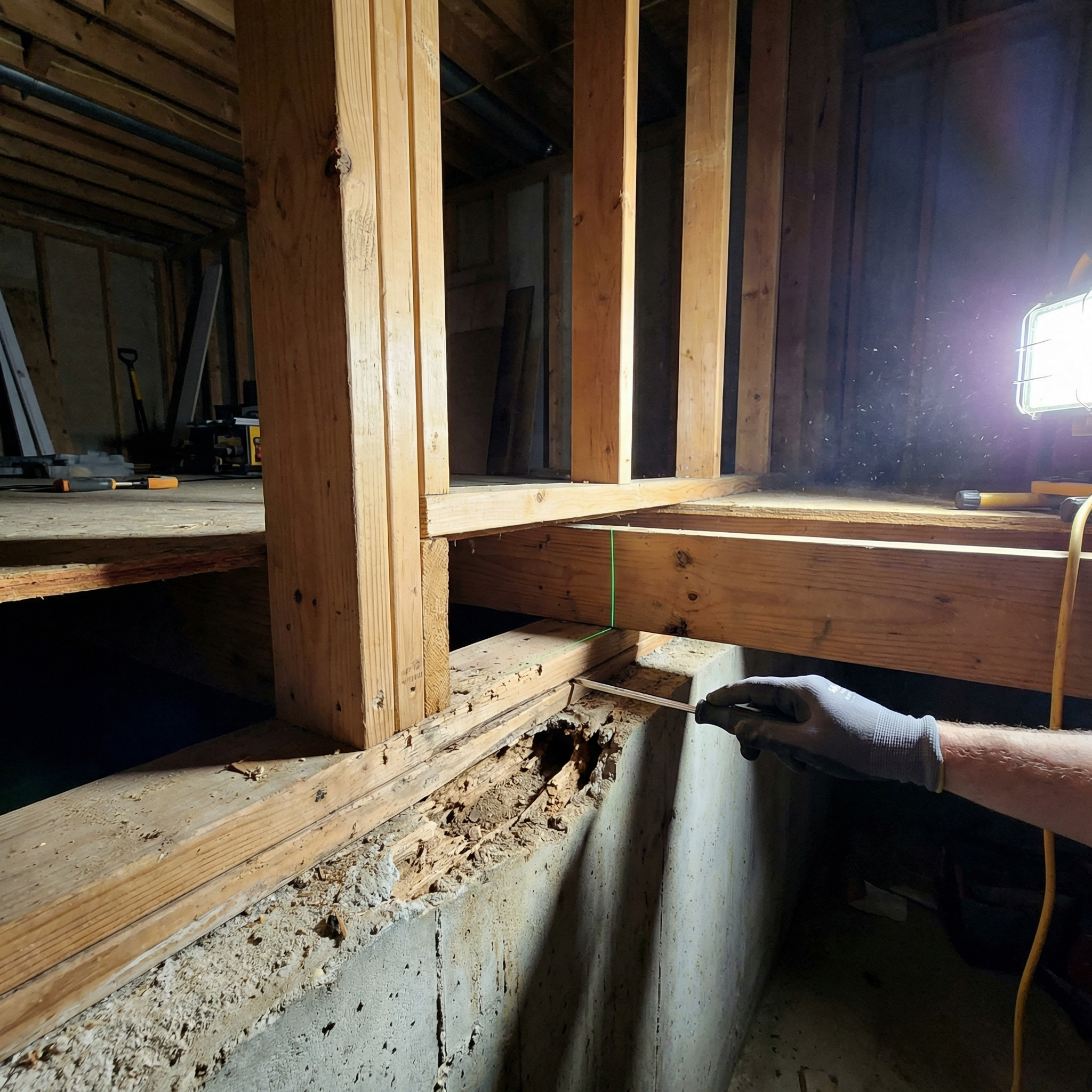
Effective bathroom audits follow a consistent pattern that aligns with termite risk, not just plumbing functionality. Technicians can look for discoloration at baseboards, soft spots in flooring near tubs and toilets, and swelling where vanity sides meet the floor. Checking the ceiling below upstairs baths often reveals staining or prior patching tied to slow leaks. When possible, light tapping or probing around accessible framing at access panels can uncover moisture-weakened materials. Each of these checks ties directly into your termite assessment, helping you explain why certain areas deserve closer monitoring or preventive treatments.
Utility Rooms: Small Drips, Big Termite Risk
Utility rooms often pack water heaters, washing machines, and utility sinks into tight spaces, with limited ventilation and minimal oversight. Slow leaks at water heater fittings, relief valves, or pans can keep framing damp, especially where tanks sit against walls. Washing machine hoses and standpipes leak or overflow periodically, sending water into corners that stay shaded and cool. Utility sinks may drip at traps or supply lines, soaking the base framing that termites readily exploit. A targeted utility room leak audit ensures your termite inspection addresses these high-moisture, low-visibility environments.
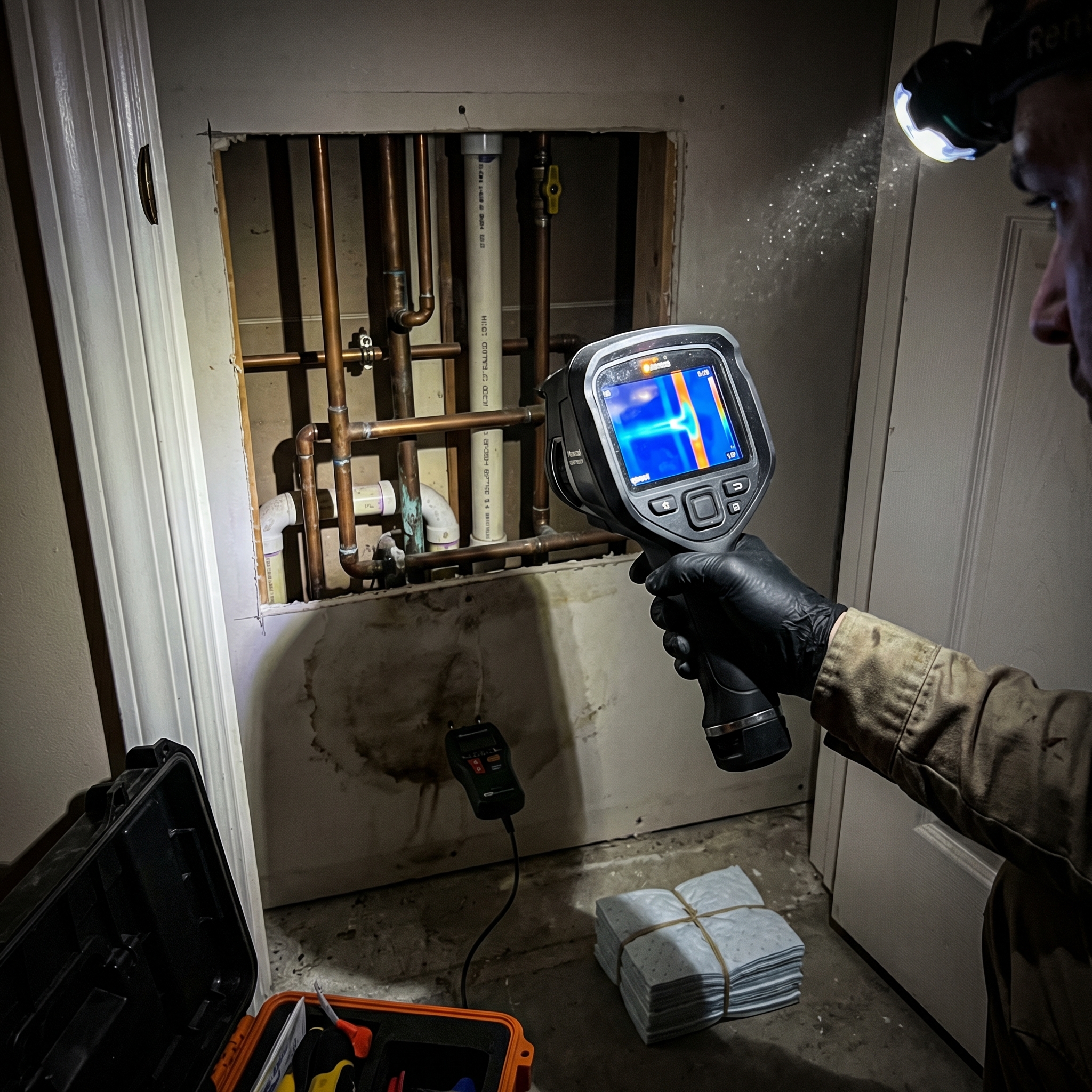
When evaluating a utility room, termite technicians should focus on the interface between plumbing equipment and structural materials. Observing staining or rust streaks on water heater stands, baseboards, or adjacent wallboard provides clues to long-term moisture. Checking around floor penetrations and behind appliances, as access allows, reveals whether water is tracking into hidden cavities. Moisture readings in sill plates and lower studs near equipment help quantify risk in objective terms. By recording these readings alongside any termite findings, you create a compelling picture of how water and wood are interacting in the space.
Designing a Leak Audit Checklist for Termite Technicians
A structured checklist ensures that leak audits in kitchens, baths, and utility rooms become a repeatable part of every termite inspection, not an occasional add-on. The checklist should guide technicians through key observation points such as under-sink areas, appliance connections, fixture bases, and visible penetrations. Including prompts for moisture meter readings at representative locations encourages consistent data collection across properties. Notes fields help capture visual clues like staining, swelling, or mildew odors that indicate long-term dampness. Over time, this standardized approach produces reliable patterns that can inform your treatment strategies and seasonal risk messaging.
Training technicians on the checklist is just as important as the document itself, especially when tying plumbing observations back to termite biology. By explaining how termites exploit damp, softened wood, you give context to each leak-related task. Role-play exercises can help inspectors practice explaining moisture findings to homeowners in clear, non-technical language. Supervisors can periodically review completed checklists to refine questions, identify common omissions, and improve clarity. As leak audits become second nature, your team will naturally connect interior moisture to termite pressure points in every inspection.
Turning Plumbing Findings into Clear Termite Recommendations
Finding leaks is only valuable when those observations translate into clear, actionable termite recommendations for the client. Reports should link each significant moisture issue directly to nearby wood elements and potential termite pathways. For example, a slow kitchen drain leak can be described in terms of its impact on cabinet bases, subfloor, and adjacent wall framing. Suggested actions might include both scheduling plumbing repair and considering targeted termite monitoring or localized treatments in the affected zone. By pairing moisture corrections with pest control options, you present a holistic plan rather than isolated fixes.
Clarity and prioritization make these recommendations easier for homeowners to act upon and easier for your team to revisit later. Grouping items by urgency, such as immediate leak repairs versus long-term moisture improvements, helps clients manage costs and expectations. Where active termites or prior damage are present, emphasizing the role of moisture in future reinfestation strengthens your case for prompt repairs. Including photos of leak evidence alongside termite findings adds visual reinforcement and builds trust. Over time, this integrated reporting style differentiates your company as one that manages causes, not just symptoms.
Partnering with Plumbers to Close the Moisture Loop
Even the most thorough termite inspector cannot repair every plumbing problem, which is why strategic partnerships with plumbers can significantly strengthen your service. By referring complex or urgent leak issues to trusted plumbing professionals, you help clients resolve moisture sources that threaten the long-term success of treatments. Plumbers, in turn, can alert homeowners when they encounter suspicious wood conditions or signs of potential termite activity during their work. This two-way communication creates early warning opportunities that benefit both trades and the homeowner. Together, you form a coordinated defense that addresses water and wood simultaneously.
Formalizing these relationships can be as simple as shared referral cards, co-branded maintenance checklists, or mutual education sessions on each other’s inspection priorities. Explaining termite moisture requirements to plumbing partners helps them recognize when a routine repair has structural pest implications. Likewise, your team can learn which types of plumbing failures are most likely to generate chronic dampness in specific building areas. When clients see pest control and plumbing professionals aligned around moisture prevention, they gain confidence in the long-term protection of their property. That confidence often translates into higher adherence to recommendations and stronger retention for your termite programs.