
Ride-Alongs Turn New Hires into Pattern-Focused Termite Pros
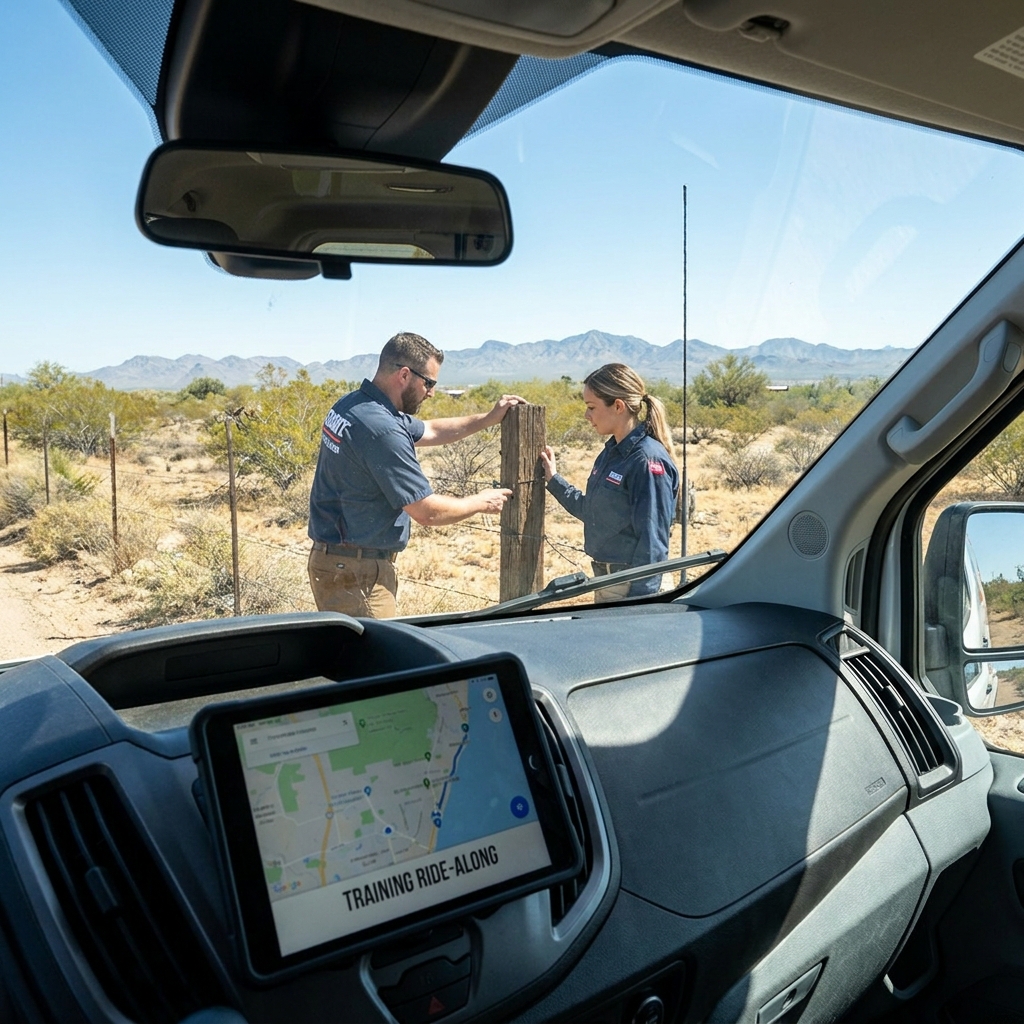
Classroom sessions and online modules can explain termite biology and treatment protocols, but they rarely change how a new technician actually looks at a structure. Ride-along training puts fresh eyes beside experienced eyes, so patterns in real homes become visible much faster. Instead of memorizing abstract vulnerabilities, new hires see how those vulnerabilities truly appear on different lots, foundations, and floor plans. They hear the questions senior technicians ask and connect those questions to what they observe on site. Over a short series of focused ride-alongs, mental shortcuts form that would otherwise take years of solo field work to develop.
From Checklists to Mental Maps: What New Technicians Really Need
Most termite programs start new hires with a checklist of inspection points and treatment steps, and those tools are valuable guardrails. However, checklists do not automatically create the pattern recognition that separates an average inspection from an exceptional one. A technician with strong pattern recognition reads a property almost like a map, anticipating risk areas before they ever reach them. That mental map helps them prioritize limited time on site and explain findings in a way that feels grounded and confident to the customer. Well-designed ride-alongs are the bridge from static paperwork to this dynamic way of thinking.
On ride-alongs, senior technicians can narrate their internal decision-making that would otherwise stay invisible. They can explain why they choose one inspection path over another and what subtle visual cues push them to slow down or dig deeper. As trainees hear those thought processes repeatedly, they start to connect them with consistent conditions across similar homes. Over time, they stop relying on the order of the checklist and start forming reliable mental patterns about structure styles, age ranges, and likely termite pressure. This shift is what turns a basic route runner into a trusted termite specialist.
Designing Ride-Alongs That Fast-Track Pattern Recognition
A productive ride-along is more than simply placing a trainee in the passenger seat for a full day of stops. Companies get the best results when each ride-along has a specific learning theme tied to termite inspection and control. One day might be focused on pre-treatment inspections for new construction, while another emphasizes reinspection logic on existing protection plans. By concentrating on just one theme at a time, new technicians see multiple variations of that scenario within a single shift. This repetition under similar conditions compresses the learning curve for recognizing key patterns.
Clear roles during the visit also speed up pattern recognition. Early in training, the senior technician may lead the entire inspection while the trainee observes and takes notes on repeating site conditions. On later ride-alongs, the trainee can perform the initial walk-around and verbalize what they expect to find, while the senior technician challenges or refines that forecast. This forecast-and-feedback loop forces trainees to apply emerging patterns out loud instead of passively watching. As their predictions get closer to reality, their confidence and accuracy rise together in a way that directly improves field performance.
Rotating Housing Stock: Giving Trainees a True Local Sample Size
Ride-alongs are most powerful when they expose new technicians to the full range of housing stock in your service area. A trainee who only sees one subdivision style during their first month will build narrow patterns that do not hold up on other routes. Intentional scheduling can prevent this gap by mixing older homes, newer builds, townhomes, and rural properties within the ride-along calendar. Each structural type brings its own recurring termite conditions and access challenges that deserve specific attention. By rotating these property types, you create a living catalog of pattern examples in the trainee’s memory.
Service managers can plan ride-alongs to match the types of accounts a technician will soon inherit. Before assigning a technician to a dense urban route, schedule ride-alongs that highlight shared walls, tight access, and multi-story construction traits. Before a more rural route, expose them to larger lots, detached structures, and varied additions that complicate complete coverage. During each visit, the senior technician can call out repeating configurations and ask the trainee to summarize the consistent inspection priorities they observe. These summaries help solidify pattern recognition around housing stock, not just around individual addresses.
Teaching Climate-Aware Thinking From the Passenger Seat
Termite pressure does not look the same in a damp coastal region as it does in a drier inland climate, even within the same company’s footprint. Ride-alongs give trainers a perfect stage to connect climate conditions with termite behavior in real time. Senior technicians can point out how recent rainfall, seasonal temperature swings, and local soil conditions influence current activity on that day’s route. When trainees repeatedly see how regional and seasonal shifts change where evidence appears, they internalize climate-aware thinking instead of treating every stop identically. This climate lens becomes another crucial pattern layer they carry to every future inspection.
Climate-aware ride-alongs work best when trainers deliberately compare days or regions. A senior technician might explain how inspection priorities on a humid summer morning differ from a dry winter afternoon on similar structures. They can ask the trainee to list which parts of the inspection they would never skip in each scenario and why. This contrast encourages them to build flexible patterns that adapt to conditions rather than rigid habits. As technicians progress, they become more reliable at anticipating when termite risk is shifting with the weather, not only with the calendar.
In-Truck Coaching Habits That Lock In Field Learning
What happens between stops on a ride-along is just as important as what happens inside the crawlspace or around the foundation. The drive time provides a quiet environment to unpack what the trainee noticed and what they missed. Senior technicians can ask open-ended questions that push the trainee to describe patterns in their own words. Encouraging the trainee to speak first, before offering corrections, reveals whether emerging patterns are accurate or need re-direction. This conversational coaching makes each stop more than a one-time experience; it becomes a building block in a larger pattern library.
Simple repeatable questions keep these coaching conversations focused and efficient. Trainers might consistently ask which construction feature most concerned the trainee, which area felt least predictable, and what they would inspect first if they returned alone. Over multiple ride-alongs, trainees start anticipating these questions and paying closer attention on site so they have better answers. That anticipation itself strengthens pattern recognition because they actively search for repeat themes instead of drifting through the visit. In a short period, the technician shifts from passive passenger to engaged analyst who can defend their inspection choices.
Documenting Patterns for Teamwide Termite Intelligence
Ride-alongs create valuable insight not only for the trainee but also for the whole organization. When senior technicians document recurring patterns they see during training days, they capture local knowledge that might otherwise stay locked in one person’s experience. Notes about frequently overlooked access points, recurring construction quirks, or seasonal shifts can be turned into quick reference guides. These guides help future trainees start with a head start on what to expect in specific neighborhoods or climate zones. Over time, the company builds a shared picture of regional termite behavior that makes every technician sharper.
Structured documentation can be kept simple while still being powerful. After each ride-along, the senior technician and trainee can agree on three patterns they observed and record them in a central system. Those patterns might relate to inspection sequence, likely problem zones on certain floor plans, or common customer questions about termite protection. Managers can review these entries to spot trends and identify where more training or updated procedures are needed. This feedback loop turns individual ride-alongs into an evolving termite intelligence system that benefits the entire field team.
Turning Ride-Alongs into a Long-Term Quality and Retention Tool
Ride-alongs are often treated as a short onboarding step, but they can have ongoing value for quality and retention when used strategically. Periodic ride-alongs with experienced technicians allow managers to check whether established patterns remain accurate as housing stock and weather trends shift. They also give seasoned staff a chance to refresh their own thinking by explaining decisions to newer colleagues. This shared learning culture helps prevent bad habits from taking root and keeps inspection quality consistent across routes. When technicians feel supported in the field, they are more likely to stay and grow with the company.
New hires who experience thoughtfully structured ride-alongs usually feel more confident facing their first solo routes. They know what patterns to look for in local housing and how climate influences their priorities on any given day. They have heard senior technicians explain findings and can mirror that language with customers. That confidence translates into clearer recommendations, fewer callbacks, and stronger trust in your termite protection programs. By treating ride-alongs as a central training investment rather than an optional convenience, pest control companies build pattern-ready technicians who protect both structures and brand reputation.