
Flooded Foundations, Faster Termites: Acting on Subterranean Pressure Signals
When a property floods, most eyes stay locked on visible damage inside the living space. Floors buckle, drywall stains, and stored belongings may be ruined, so it is natural for homeowners to focus there first. Yet below the surface, the soil around and under the structure is going through its own upheaval. Water loads the ground with extra weight, then drains away unevenly, leaving pockets of shifting, stressed soil pressed against foundations. That hidden subterranean pressure dramatically changes termite conditions and makes expedited, repeated inspections a practical necessity rather than a luxury.
Termite professionals who understand these post-flood soil dynamics can protect clients more effectively and protect their own liability at the same time. Saturated, compacted, and then relaxing soil changes how moisture and temperature move under a structure. That means existing protection zones may not behave as designed, and previously dry pathways can suddenly become termite highways. Moving quickly with structured follow-up visits lets inspectors catch these changes before they turn into major infestations. It also positions your company as a crucial partner in the recovery process, not just a one-time service call.
When Floodwater Drains, Subterranean Pressure Stays Behind
Floodwater may recede in days, but the weight it added to the soil lingers as pressure changes. As standing water loads the ground, it forces water deeper, filling pores and compacting layers that were previously looser and more breathable. When that water finally drains, the soil does not always return to its former state, and pressure can remain uneven around footings, piers, and slabs. These shifting loads can open hairline gaps, disturb barrier applications, and redirect underground moisture. Each of those small changes creates a fresh chance for subterranean termites to locate, test, and exploit a new access point.
In homes and commercial buildings, this subterranean squeeze can be most intense near foundation edges, below-grade structural features, and utility penetrations that already interrupt the soil profile. Termites are highly responsive to changing moisture patterns, so they quickly investigate these disturbed zones. If flood response work adds heavy equipment, dumpsters, or stockpiled building materials, soil can be compressed even further in localized spots. That combination of human weight and previous water saturation concentrates pressure where the structure is most vulnerable. Ignoring these shifts after a flood means betting that termites will not notice the same opportunities you do.
How Termites React to Post-Flood Soil Shifts
Subterranean termites thrive where moisture and shelter overlap, and post-flood environments often create exactly that mix. As saturated soil slowly dries, it can trap humid air in micro pockets near the foundation, especially where organic debris collects. Workers exploring these new gradients will extend foraging distances, testing expansion joints, slab edges, and cracks that were less attractive before the event. Structural elements that stayed damp longer than surrounding areas can become thermal and moisture beacons. In practice, that means a property that tested negative for activity before the flood may develop active trails shortly afterward.
Flooding also disrupts natural competitors and predators that help keep termite populations in balance. Disturbed soil profiles may bury ant nests or wash away insect communities that once shared the same subsurface territory. With fewer rivals and a newly rearranged landscape, termite colonies can redirect their energy into expansion. They may push galleries closer to building components, or split into satellite groups that explore new directions. Timely inspections after the water recedes are often the only way to track how those hidden colonies responded to the event.
Building an Expedited Inspection Timeline after a Flood
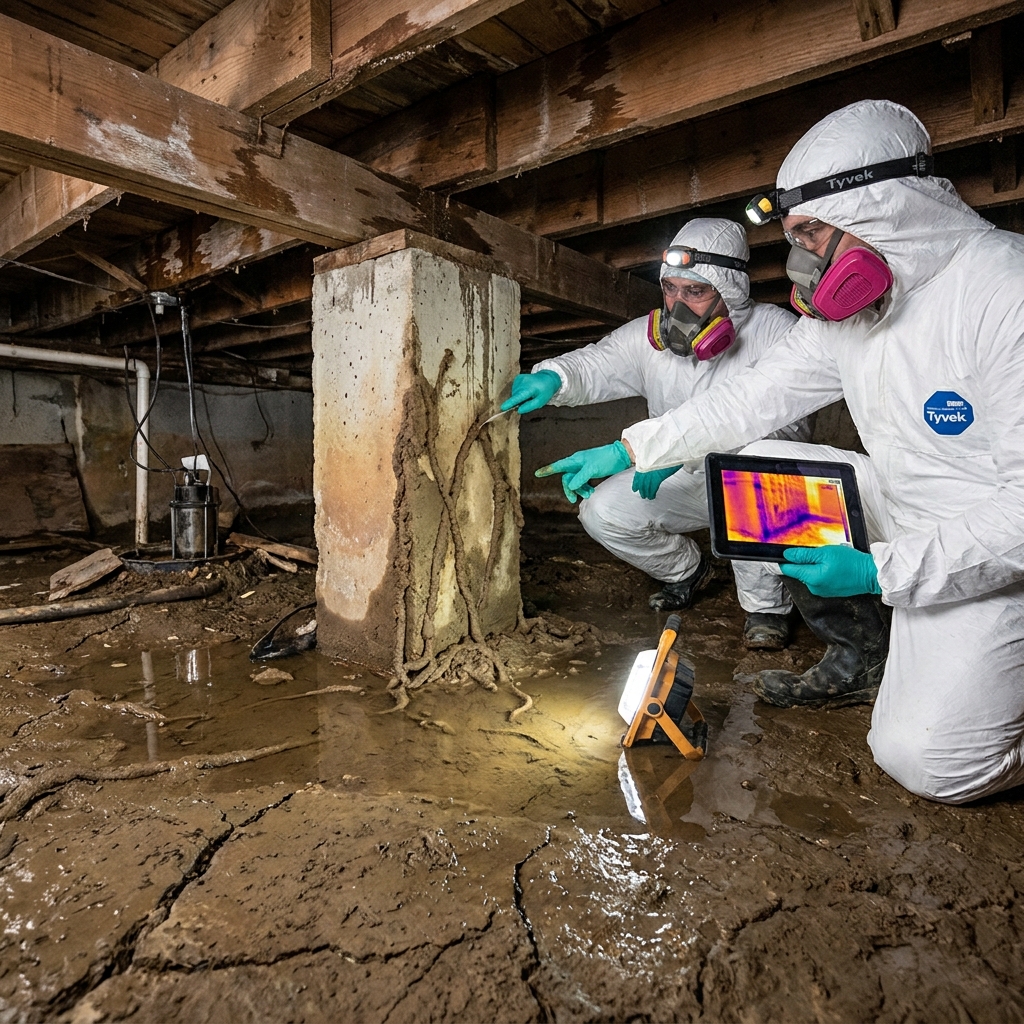
One post-flood inspection visit rarely gives a complete picture of termite risk. Soil and structural conditions evolve as drying, repairs, and seasonal shifts interact over several weeks or months. An effective strategy starts with a rapid initial inspection once the property is safe and reasonably accessible. That early visit documents baseline conditions, visible damage, and any already-active termite evidence. It also allows the technician to plan where pressure-related changes are most likely to appear next.
From there, scheduling repeat termite inspections on a compressed timeline becomes the key defensive move. Many professionals find that revisiting at thirty, sixty, and ninety days after the initial check can catch late-emerging issues. Each follow-up should pay special attention to any area where soil remained wet the longest or where structural repairs have just been completed. By spacing visits this way, the inspector witnesses the site as it transitions from saturated to stable. The result is a layered understanding of risk that a single snapshot in time can never provide.
High-Priority Zones under Increased Subterranean Pressure
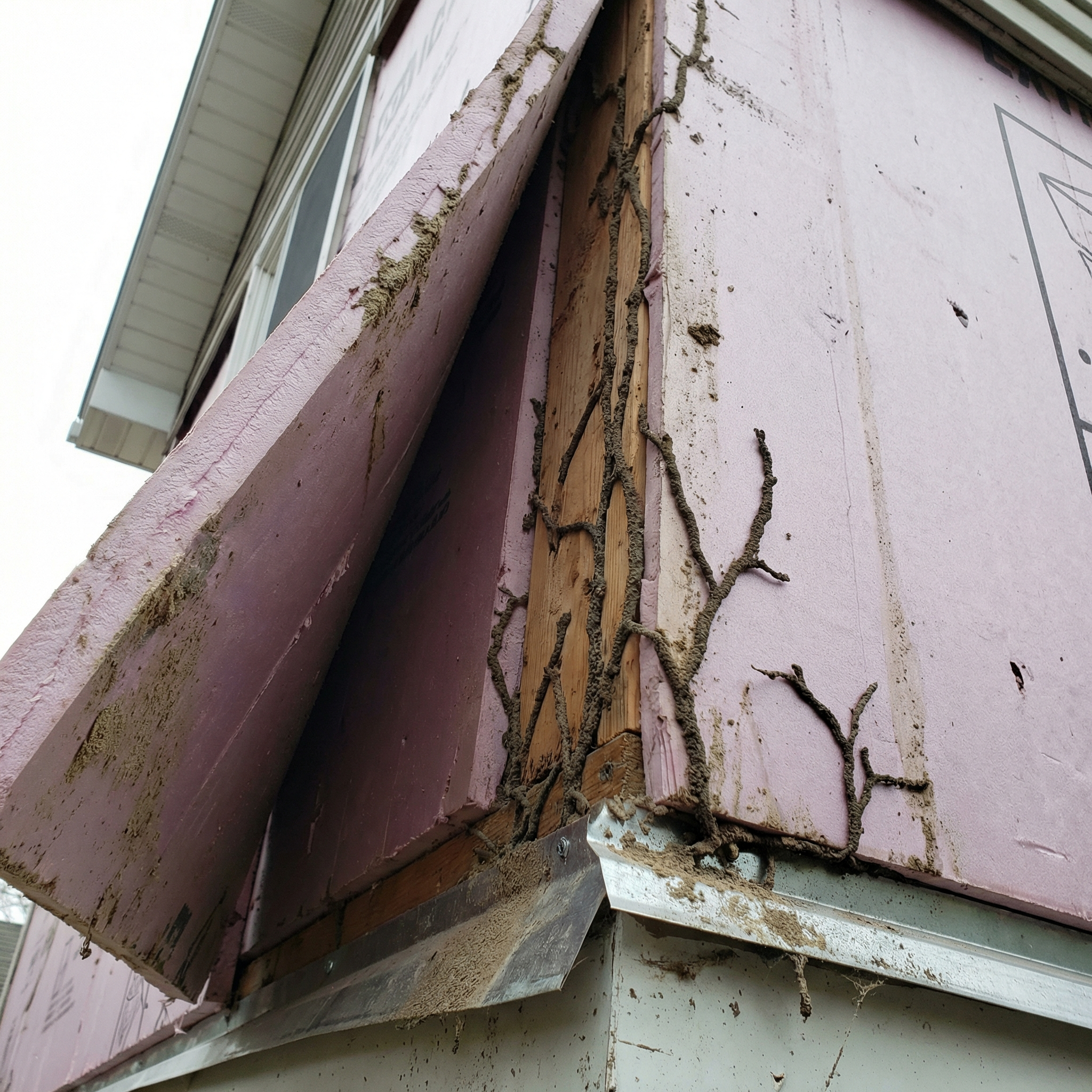
Flood-altered pressure does not affect every square foot of a property the same way, so targeted focus is crucial. Areas where water pooled deeply or drained slowly deserve top billing on the inspection checklist. Foundation corners, steps, and transitions where footings change depth often show cracking or separation after intense saturation. Any place where hardscape meets soil, such as concrete pads adjoining bare ground, can trap moisture along the contact line. These are prime locations for new shelter tubes, fine frass, or subtle blistering that can signal early termite movement.
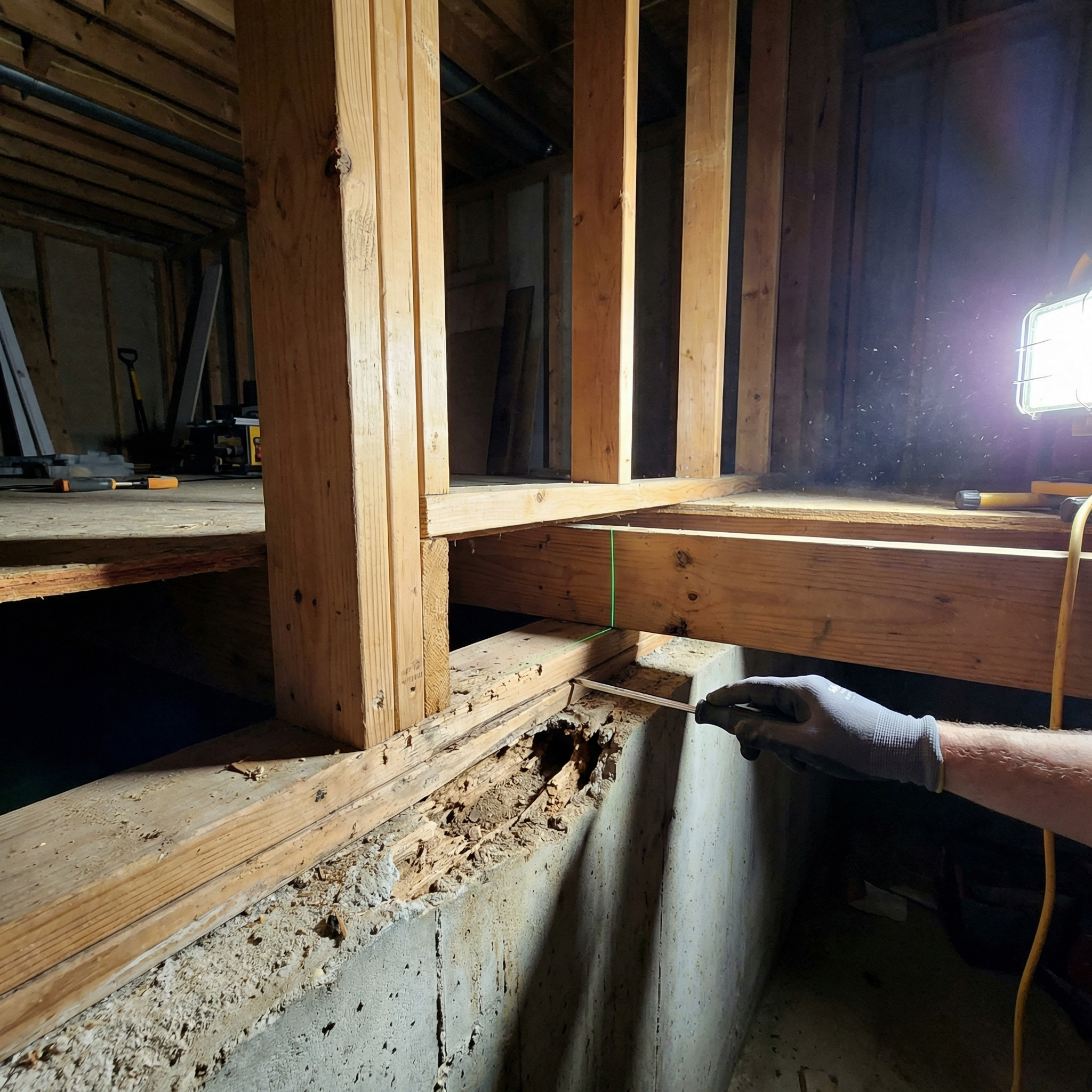
Below the surface, utility runs and plumbing penetrations concentrate both mechanical stress and temperature differences. After a flood, earth around these lines may settle unevenly, producing voids that termites can occupy with minimal effort. Inspectors should carefully examine entry points where services pass through slabs or walls, looking for fresh mudding or patched pathways. Landscaping beds built up against exterior walls also deserve renewed attention if they were heavily saturated. By mapping these high-pressure zones on each visit, you turn a chaotic environment into a repeatable inspection pattern.
Coordinating Termite Work with Repairs and Rebuilding
Post-flood recovery often brings a steady stream of contractors, from demolition crews to finish carpenters. For termite professionals, that constant change is both a challenge and a powerful opportunity. New slabs, added footings, and reworked utility penetrations can either strengthen or weaken future termite defenses. If inspections are timed to coincide with key construction milestones, technicians can evaluate how each phase affects soil contact and access risks. That coordination lets you flag problems while they are still easy to correct rather than after termites have moved in.
Communication with builders, restoration firms, and property managers is essential in this environment. When termite inspectors share their findings early, others on the job can adjust grading, material choices, and details that influence soil pressure near the structure. In turn, they can alert your team before backfilling trenches, pouring replacement concrete, or closing wall cavities. This two-way flow of information turns repeat termite visits into a quality-control loop for the entire project. Clients then see termite protection as woven into the rebuild process instead of tacked on at the end.
Turning Repeat Inspections into Long-Term Protection Plans
Homeowners and facility managers may initially view repeat termite inspections as one more post-flood expense. Clear explanations that link subterranean pressure changes to real-world risk help change that perception. When you show how each visit builds on the last, it becomes a story of continuous protection instead of repeated disruption. Simple, consistent language about soil movement, moisture pockets, and new access points keeps the concept understandable. Over time, clients come to see scheduled termite follow-ups as a sensible safeguard rather than a sales tactic.
Each inspection should end with a concise summary that highlights what improved, what changed, and what still needs monitoring. Written notes, annotated diagrams, and photos of key soil and foundation areas give clients tangible reference points. Those records also aid future technicians who may service the account years after the flood. As conditions stabilize, you can transition from accelerated visits back to an annual or semiannual schedule tailored to the now-changed site. In the end, the real value of expedited, repeated inspections is not just catching termites sooner, but reshaping the property’s long-term defense around its new subterranean reality.