
Honest Termite Bids Start With Clear Limits on Access
Every termite treatment promise rests on a simple question that often gets skipped: exactly where can we actually reach with tools and product. When bids blur that line, technicians walk into jobs already set up to disappoint the homeowner and strain your team. Tight crawlspaces, sealed ceilings, or built-in cabinetry can hide active galleries that nobody priced to reach. If the bid pretends everything is treatable when it is not, the first follow-up visit becomes a blame game instead of a quality check. Clear-scope termite bids fix this upfront by naming inaccessible areas honestly, so results, pricing, and expectations line up.
Where Inaccessible Areas Hide on Typical Termite Jobs
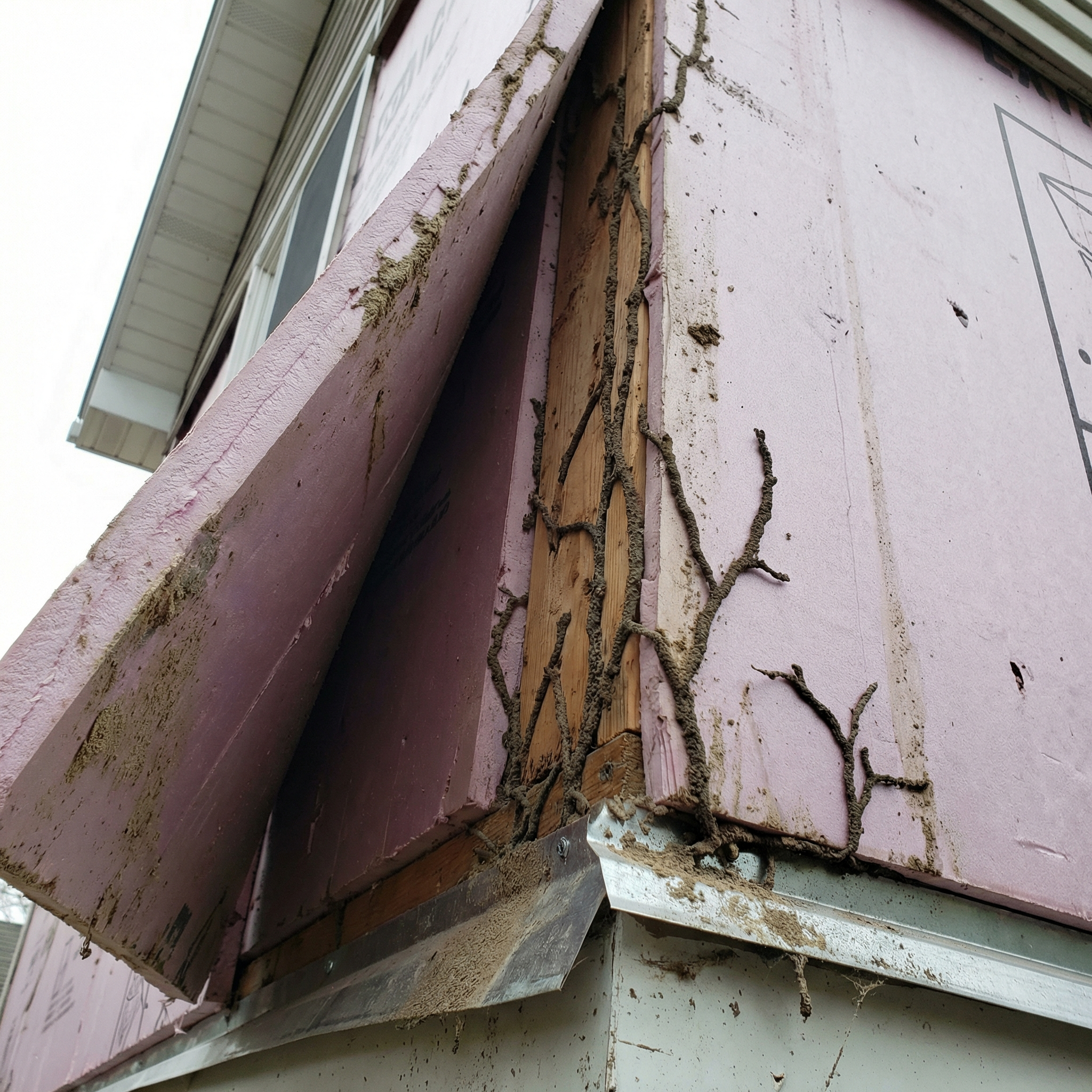
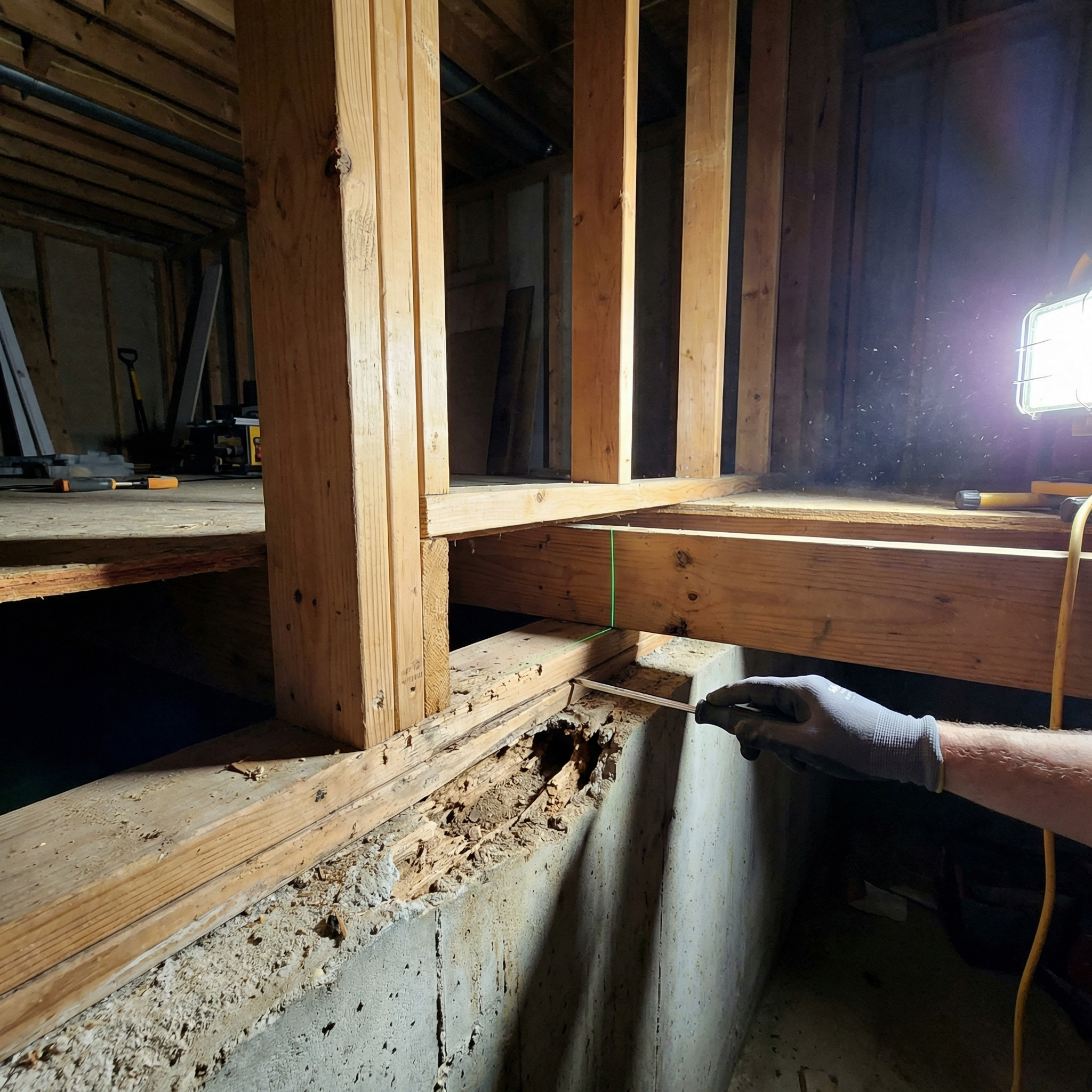
Inaccessibles are rarely mysterious, but they are easy to overlook when you are rushing between stops. Many homes have low-clearance crawlspaces where a person cannot safely enter or maneuver equipment, even if an access door exists. Others have finished basements or slab additions that cover old termite entry points you can no longer inspect or drill. Decks, porches, and steps built too close to siding can block direct treatment where termites already explored. When you list these hurdles clearly on the bid, you protect your technicians from being blamed later for areas they simply could not reach.
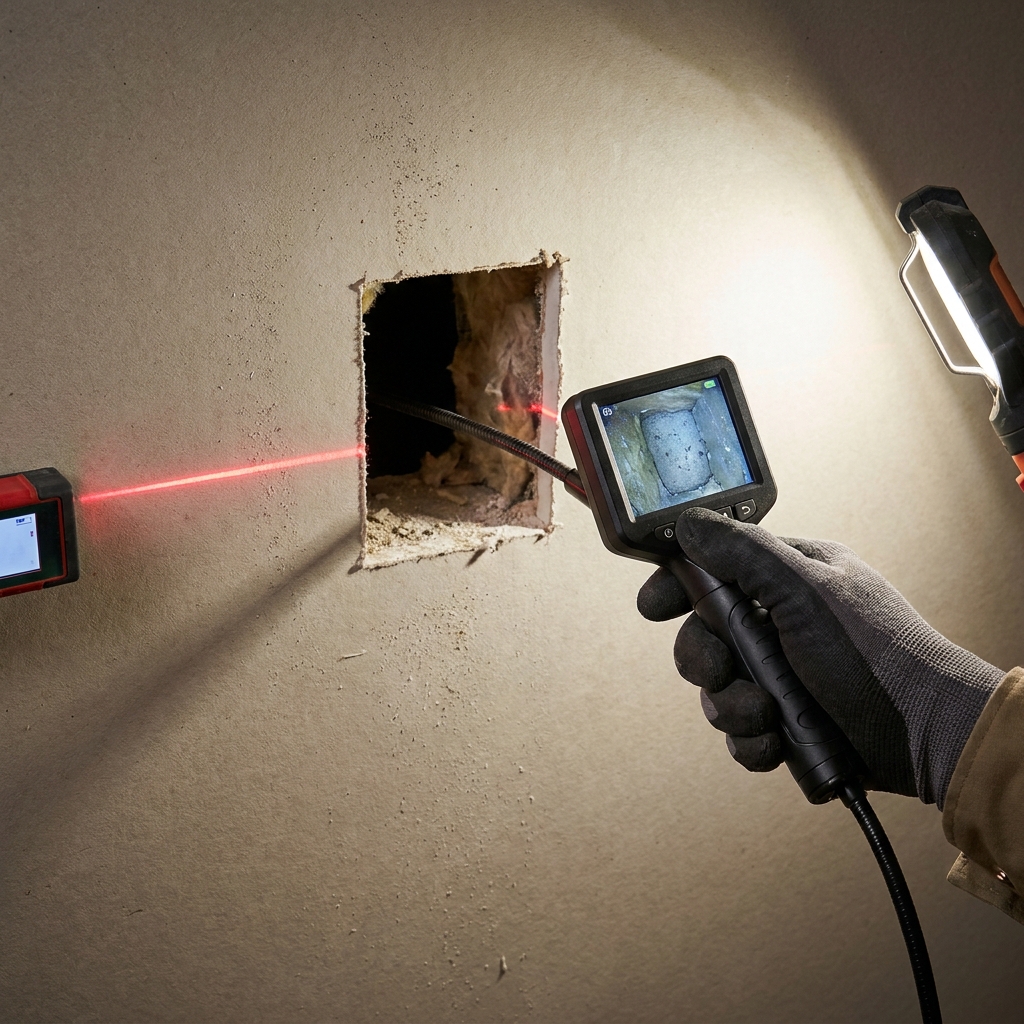
Taking a systematic pass around every structure helps you catch the same blind spots on every inspection. As you walk, mentally tag zones as fully accessible, limited access, or inaccessible so your notes stay consistent from property to property. Limited access might mean you can treat from one side only, or only with foam or a long rod rather than full trenching or drilling. Fully inaccessible often includes sealed wall chases, underbuilt additions without clearance, or portions of garages packed floor to ceiling with stored items. When those labels appear on the written proposal, you create a shared map of reality instead of wishful thinking.
Writing Treatment Bids That State Limits Without Sounding Evasive
Many inspectors worry that calling out inaccessible areas will scare customers away, so they soften the language until it becomes vague. Vague phrasing weakens your protection because it leaves too much room for interpretation when termites show up near a missed zone. It is better to be specific, calm, and professional about limits rather than hopeful and unclear. Use plain descriptions like “no physical access under rear porch” instead of technical shorthand that a homeowner cannot decode. When clients understand the situation in simple terms, they are far less likely to feel misled later.
Strong bids separate the treatment plan from the limitations while keeping them visually close on the page. First, describe what you will do in clear steps so the homeowner sees value and structure. Then add a labeled section such as “Areas With Limited or No Access” and spell out each constraint line by line. You can even pair this with a short note about potential risk, such as increased monitoring in nearby accessible areas. This approach tells the client you are not dodging responsibility; you are managing reality thoughtfully.
Marking Inaccessible Zones on Sketches That Homeowners Understand
A simple sketch on your termite graph can explain access issues faster than three paragraphs of text. When you outline the footprint of the structure and shade or hatch the portions you cannot reach, conversations change from abstract to concrete. Homeowners can see that you are not trying to hide anything; you are drawing them into the decision-making process. That visual also helps your own crews arrive with the same understanding you had during the inspection. Consistent internal communication prevents technicians from promising extra work on the fly that the bid never priced.
Clean legends on those sketches make them even more powerful at protecting outcomes. You might use one symbol for treated zones, another for limited-access areas, and a third for completely inaccessible sections. Label them in the margin in everyday language rather than internal codes that confuse non-industry readers. Then, while reviewing the bid, point at each symbol and confirm the client knows what it means for treatment and monitoring. That short walkthrough prevents many of the “I thought you treated everywhere” conversations that usually show up months later.
- Use one color or pattern for fully treated areas.
- Use a second for limited-access zones needing monitoring.
- Use a third for inaccessible spaces noted as potential risk.
Pricing Strategies That Protect Margins When Access Changes
Even the best inspection cannot predict every access change over the life of a termite contract. A client might later remove a deck, add a new access door, or clear out a jammed crawlspace that suddenly opens a path. Your bid should anticipate these shifts with conditional pricing language tied to access improvements. When you explain that additional drilling or trenching can be added for a stated fee once access exists, everyone knows the rules beforehand. That structure keeps revenue aligned with labor instead of giving away major add-on work for free just to keep peace.
Written change-order language is another layer of protection for both sides. You can explain that any new access, remodel, or discovery of hidden construction elements triggers a reassessment before extra treatment occurs. Then, outline a simple process where the technician pauses, documents the situation, and reviews pricing options with the customer. This reinforces that your company will not surprise anyone with secret charges, but you also will not absorb large unplanned costs. Over time, this habit protects profit margins while still feeling fair and transparent to property owners.
- State upfront rates for added linear footage when new areas open.
- Describe when a change order is required before extra drilling.
- Clarify which follow-up visits are included versus billable.
Training Technicians to Talk About Inaccessible Areas in the Field
Even a well-written bid can fail if technicians are uncomfortable explaining its limits in person. Field teams need simple phrases that turn a potentially tense conversation into a collaborative one. Instead of saying “We cannot treat there,” they can say “Right now there is no safe way to reach that area without modifying this structure.” That small shift keeps the focus on physical reality, not on company refusal. When techs pair that explanation with options, such as monitoring nearby or suggesting access changes, homeowners feel supported rather than shut down.
Role-play during regular training sessions helps these conversations feel natural on real jobs. Supervisors can present common scenarios, like a customer asking why drilling did not extend under a tight step or through a finished floor. Technicians practice linking their answers to the original bid, the documented access limits, and any change-order process. This repetition gives them confidence to stand by the scope without sounding defensive or rushed. Confident explanations in the field reduce refunds, callbacks, and negative reviews that stem more from communication gaps than from actual control failures.
Turning Honest Limitations into Long-Term Client Trust
At first glance, spelling out inaccessible areas might feel like advertising what you cannot do. In practice, it often becomes the reason customers feel safe choosing your company over a competitor with a vague, everything-covered promise. People recognize authenticity, especially when it comes to something as serious as termite risk to their largest investment. When your bids admit physical limits but show a thoughtful plan around them, clients see professionalism rather than weakness. That impression carries through every renewal conversation and referral they give to friends or neighbors.
Trust built on honest scope also protects your reputation when termite pressure remains high near those inaccessible zones. If activity appears close to a documented limit, you can revisit the original sketch and language together, then discuss next steps. Because you never overstated what treatment could achieve there, the discussion becomes about options, not accusations. Some clients will decide to modify structures or open access once they see you stayed consistent with your original explanation. Over time, that pattern of honest limits and steady follow-through becomes a powerful differentiator in a crowded termite control market.