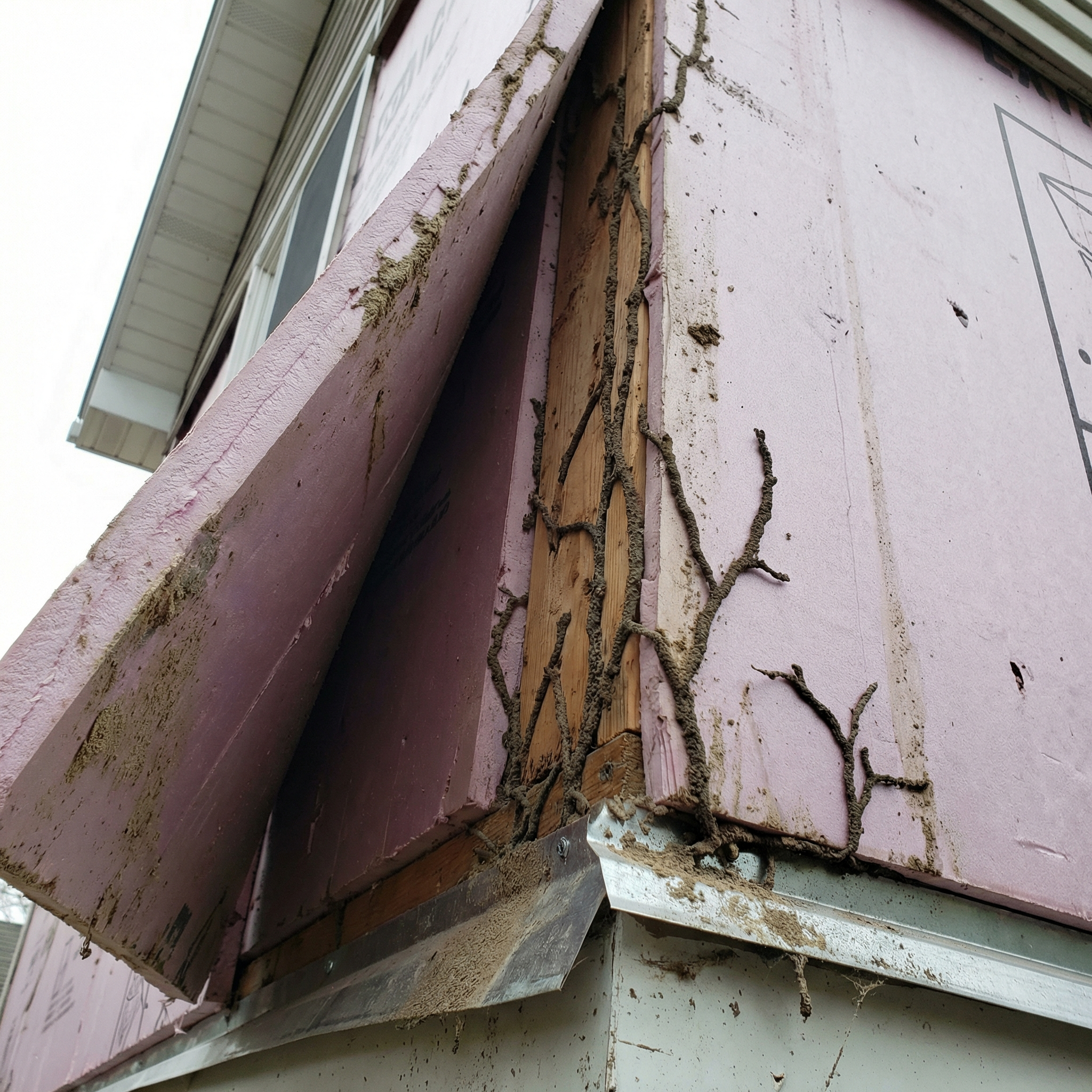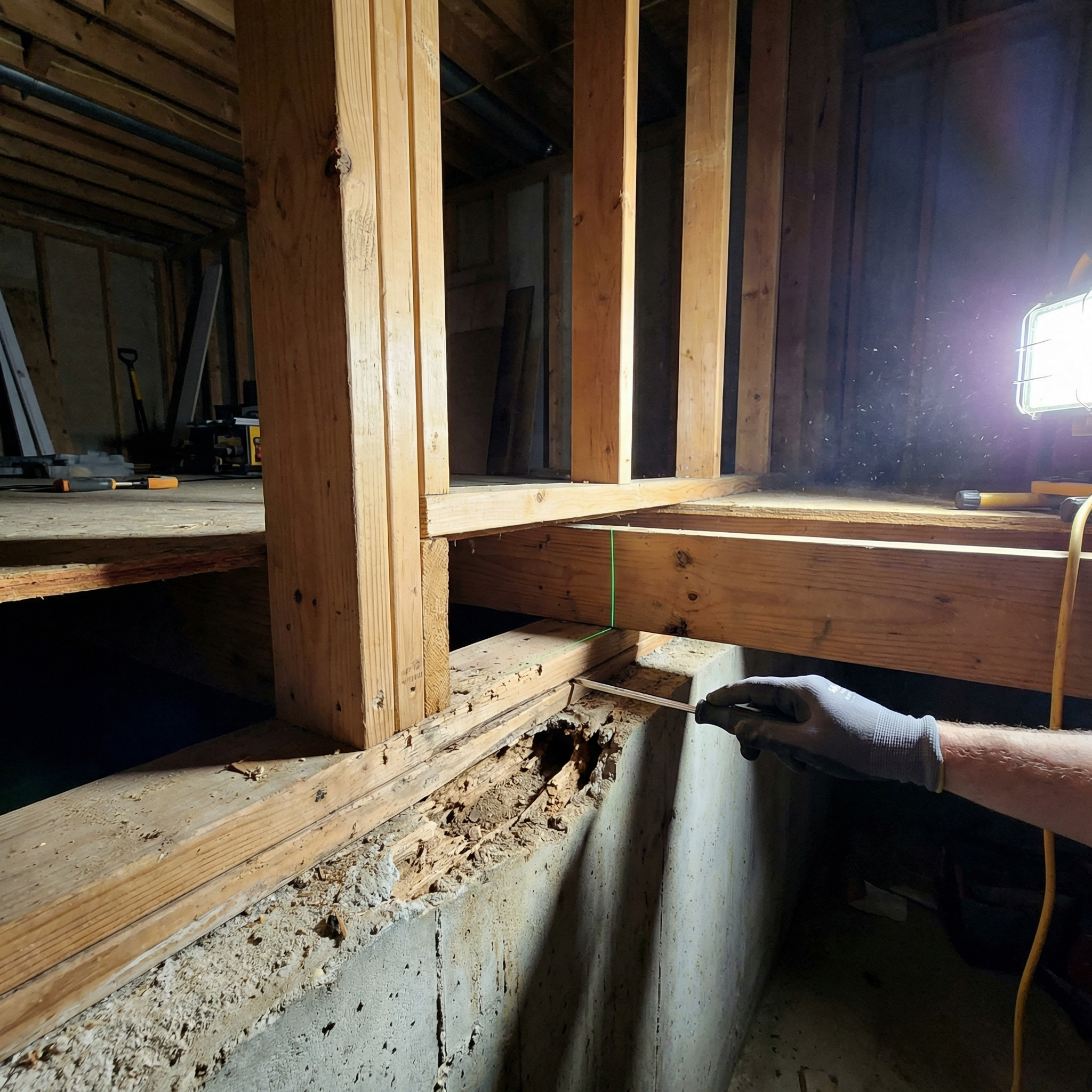

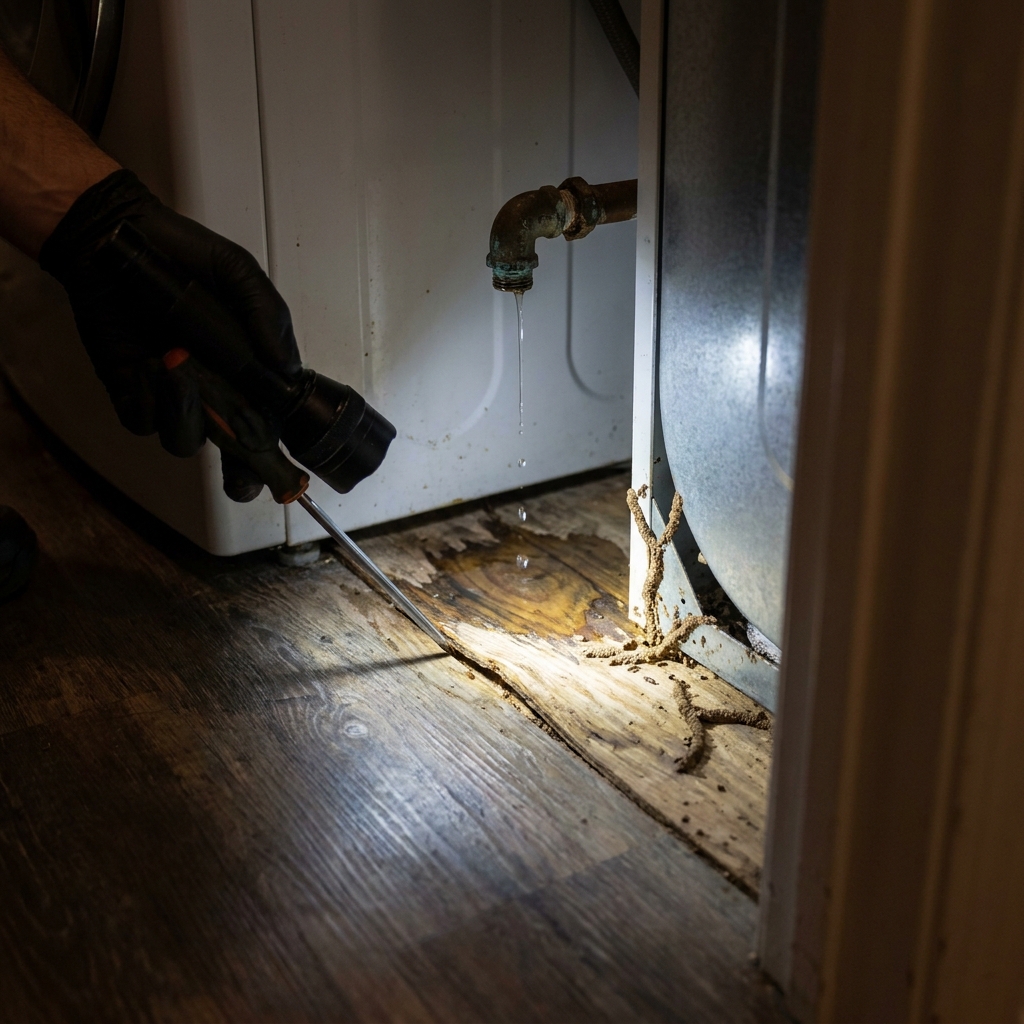
Drips, Humidity, and Hidden Galleries in the Laundry Room
Laundry rooms and utility sinks present frequent micro-leaks that add up to conducive conditions for termites and moisture-loving pests. From loose hose connections to sweating supply lines, this “clean” part of the home quietly feeds the very insects your team is hired to stop. Water rarely gushes in this space; instead, it seeps, wicks, and evaporates slowly into vulnerable wood and drywall. That pattern makes laundry areas especially important for termite inspection routes, yet they are still treated as quick walk-through rooms in many protocols. A deliberate, moisture-first mindset in these spaces can reveal early warning signs long before structural damage appears.
Laundry Appliances: Small Leaks, Big Termite Invitations
Washing machines and nearby plumbing are prime sources of micro-leaks that stay below the homeowner’s radar but above a termite’s moisture threshold. Flexible supply hoses can develop pinholes, loose crimps, and slow weeps at shutoff valves that dampen nearby framing. Standpipes and drain hoses may splash or backflow just enough to keep base plates, wall cavities, and trim perpetually borderline-damp. Even a slightly unlevel washing machine can cause water to pool along one edge, saturating subfloor seams over months of use. When technicians treat laundry appliances as plumbing fixtures instead of simple appliances, they start spotting moisture patterns that point directly to future infestation zones.
During inspections, termite and pest professionals should adopt a consistent appliance checklist rather than a quick glance at the washer. Start by visually tracing the route of every hose and connection and looking for subtle discoloration on walls and floors. Then, gently run a dry hand or cloth along fittings to feel for cool, damp spots that may not yet be visible. Finally, look at the surrounding structure instead of just the machine itself to catch secondary signs of activity.
- Darkened or swollen baseboards behind or beside the washer.
- Separation or curling of vinyl flooring at seams nearest the machine.
- Fine debris, blistered paint, or mud-like specks where moisture meets wood.
Utility Sinks: Constant Damp Zones Inspectors Cannot Ignore
Utility sinks combine splash, overspray, and plumbing joints in one compact area, creating year-round dampness in many homes. Homeowners rinse mops, hand-wash items, and leave buckets to drip, all of which push water against walls and cabinetry. P-traps, supply lines, and faucet bases often leak just enough to keep the cabinet floor or adjacent framing from ever drying fully. The result is a small radius of consistently elevated humidity and softened materials around the sink. For subterranean termites and moisture ants, that dependable damp ring is a powerful foraging attractant.
Termite inspection routines should treat every utility sink as a mini moisture lab. Begin below the sink, using a flashlight to check the back corners of cabinets, the underside of the countertop, and the rear wall for staining or fungal growth. Compare the condition of wood and finishes here to dry cabinets elsewhere in the home to sharpen your eye for subtle deterioration. Then, step back and examine the floor, wall junctions, and nearby trim to see how far the moisture zone extends.
- Deteriorated caulk or open gaps where the sink meets the wall or countertop.
- Rust on metal brackets or fasteners that live under or beside the sink.
- Soft, flaking, or crumbling particleboard in cabinet bottoms and toe-kicks.
Flooring, Baseboards, and Wall Cavities Around Wash Areas
Micro-leaks in laundry rooms rarely stay neatly confined to the immediate source; they travel into flooring layers and wall cavities where termites feel safest. Water can wick along underlayment, under tile, or beneath vinyl and laminate, allowing termites to follow concealed moisture gradients. Baseboards absorb splash and mop water, transferring it directly into bottom plates and studs. Where laundry rooms sit over crawlspaces or basements, persistent damp patches above may mirror humidity spikes or staining below. By connecting what is seen at the finished surface with what could be happening inside the wall and subfloor, inspectors gain a clearer picture of hidden risk.
Visual cues on finishes should always trigger deeper termite-focused investigation rather than being written off as cosmetic issues. When you see cupping, bubbling, or loose flooring near washers or sinks, consider it a map rather than an eyesore. Use those clues to determine where to probe, where to recommend opening a wall, or where to pay special attention during an exterior or substructure inspection. Over time, patterns across multiple jobs will sharpen your intuition about how moisture tends to move in local building styles.
- Note recurring trouble spots tied to specific flooring materials in your service area.
- Capture photos of damage progression around laundry rooms for training technicians.
- Flag any floor or wall anomaly near plumbing as a potential termite conduit, not just a water issue.
Ventilation and Humidity Control as Pest Management Tools
Laundry rooms generate more than liquid water; they constantly add warm, moist air that can condense on cooler building surfaces. Poorly vented dryers, blocked exhaust ducts, and closed doors turn laundry spaces into humidity chambers. Even without visible leaks, this airborne moisture can keep framing, sheathing, and stored items at elevated moisture levels. Termites, mold, and other pests take advantage of these pockets long before homeowners notice any musty smell. By integrating basic ventilation checks into every laundry-room walkthrough, pest professionals can reduce both active infestations and future conducive conditions.
Technicians do not need to be HVAC experts to spot obvious laundry ventilation red flags. Simple observational habits help connect indoor humidity to structural risk. Train teams to look and listen for warning signs while they are already in the room completing their termite inspection steps.
- Dryer vents that terminate too close to siding, decks, or crawlspace vents.
- Lint buildup around vent terminations, indicating restricted airflow and higher indoor humidity.
- Condensation on windows, metal ducts, or cold water lines near laundry equipment.
Inspection Checklists for Laundry Rooms and Utility Sinks
Because laundry rooms are compact but detail-rich, structured inspection checklists help technicians avoid rushing and missing key termite risk indicators. A repeatable sequence also makes it easier to train new team members and keep quality consistent across multiple routes. Start at the ceiling and work your way down, so smaller issues do not distract from a systematic overview. As you move, connect each moisture or damage sign to what it could mean for hidden galleries, shelter tubes, or future swarm points. The goal is not just to mark a room as “checked” but to leave with a clear moisture and risk profile.
A practical checklist turns every laundry visit into a focused termite prevention opportunity rather than a quick pass-through. Build your list to touch each surface category and every probable moisture source while staying efficient. Encourage technicians to document and photograph findings so the office and customer can understand the story behind your recommendations.
- Ceilings and upper walls: stains from prior leaks, vent terminations, or sweating ducts.
- Mid-walls and fixtures: hose connections, valves, faucet bases, and splash zones around sinks.
- Lower walls and floors: baseboards, corners, subfloor softness, and any evidence of wood decay or insect activity.
Turning Micro-Leak Repairs into Long-Term Termite Protection
Micro-leaks around laundry equipment and utility sinks may seem minor to homeowners, but they represent ongoing invitations to termites. Pest control professionals are uniquely positioned to explain how a single slow drip can maintain a moisture corridor that chemical treatments alone cannot fully overcome. When inspections document specific moisture sources, repair recommendations gain credibility and urgency. Instead of vague advice to “fix any leaks,” you can point to exact fittings, damaged finishes, and vulnerable framing. That clarity helps customers prioritize repairs that most directly reduce termite risk.
Integrating moisture repair conversations into your service model builds longer-term protection for both structures and your client relationships. Explain that each resolved micro-leak not only protects the laundry room but also reduces the likelihood of termites spreading from that room into adjacent living spaces. Pair treatment plans with simple, trackable maintenance actions so homeowners feel they are active partners in termite prevention. Over time, your brand becomes associated with protecting the whole building system, not just reacting to visible insect activity.
- Provide written notes or diagrams that link each leak to a specific termite risk.
- Recommend appropriate trades or services when repairs fall outside your scope of work.
- Schedule follow-up inspections to verify that fixes have reduced moisture and improved long-term protection.
Training Technicians to See Laundry Rooms as Termite Intelligence Hubs
For many field teams, laundry rooms are still treated as quick transit spaces rather than primary inspection zones. Shifting that mindset starts in training, where you can highlight real-world cases in which laundry and utility sink leaks preceded significant termite damage. Use before-and-after photos and case studies to connect subtle moisture signs with later structural repairs. Emphasize that spotting these early red flags is just as valuable as finding active galleries, because it prevents damage before it starts. When technicians understand the long-term impact of a few extra minutes in the laundry room, they are more likely to slow down and look closer.
Building this attention to detail into your company culture also enhances your reputation with customers and referral partners. Detailed laundry-room findings communicate that your inspections are thorough and building-focused, not just treatment-focused. Over time, patterns identified by your technicians can even inform local builders, plumbers, and remodelers about design choices that reduce future termite pressure. In that sense, every laundry room becomes not just a risk area, but a learning lab that strengthens your entire pest control program.
- Incorporate laundry and utility sink scenarios into ride-along training checklists.
- Share field stories where micro-leaks were early clues to hidden termite activity.
- Celebrate technicians who document and resolve moisture risks before termites move in.