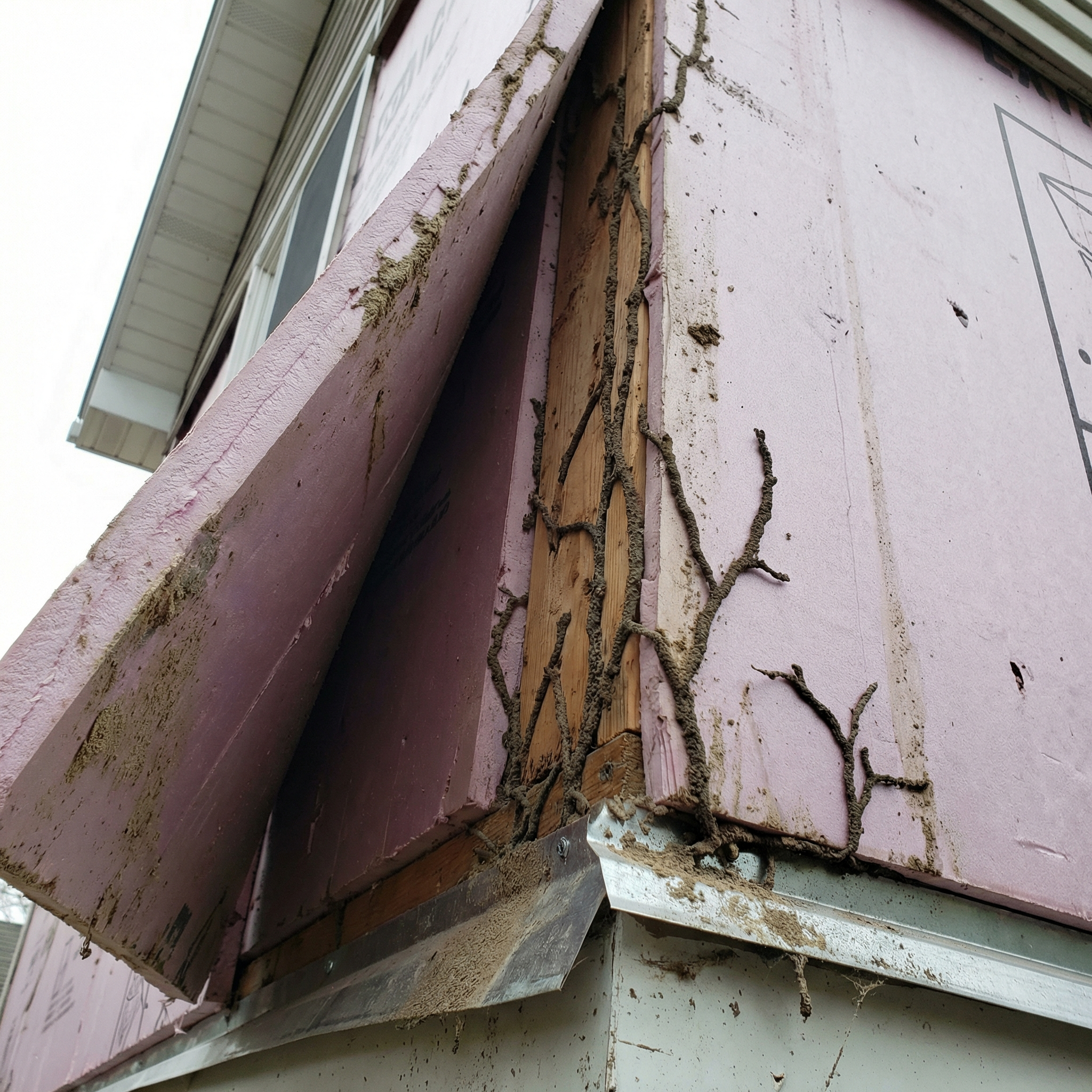

Moisture, Metal, and Termites Working Behind the Scenes
Most homeowners and property managers think about termite protection in terms of wood types, soil treatments, and inspection schedules, but the metal holding a structure together is just as critical. In wet or humid areas, standard fasteners and connectors can corrode long before the wood around them visibly fails. Once that hidden metal weakens, joints loosen, gaps open, and moisture lingers where termites are already searching for a way in. Corrosion-resistant fasteners and connectors keep those joints tight even when moisture is unavoidable, limiting the sheltered spaces termites prefer. Treating hardware choices as part of your termite defense plan turns a quiet vulnerability into a long-lasting strength.
Where Moisture and Metal Meet Termites
Some parts of a building will always battle moisture, even with careful design and maintenance, and those same locations often hold critical structural connections. Decks, porch ledgers, exterior stairs, and balcony framing sit outside in changing weather while still tying directly into interior framing. Crawlspaces, basements, and lower-level utility areas can trap humid air, exposing joist hangers, sill anchors, and post bases to long-term dampness. Bathrooms, laundry rooms, and kitchens hide metal connectors near plumbing lines that may sweat or drip over time. Every one of these conditions creates a zone where corroded hardware and termite activity can quietly overlap.
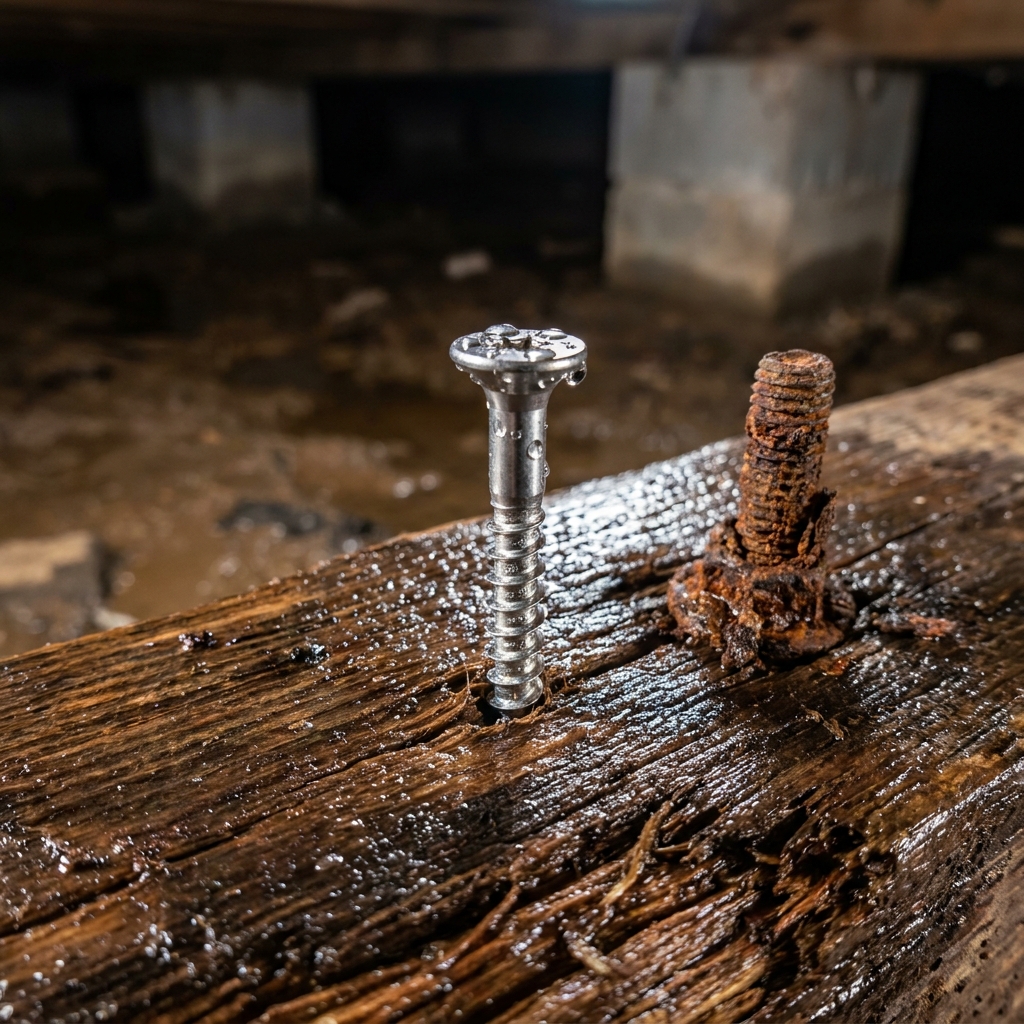
When metal begins to rust or stain in these hidden spaces, it signals a moisture history that termite inspectors take seriously. Corrosion may appear first at nail and screw heads, at the edges of joist hangers, or around anchor bolts near concrete or masonry. As fasteners degrade, they often leave dark streaks or discolored halos in the surrounding wood, pointing to slow, persistent dampness. That combination of softened wood fibers and protected crevices is exactly what subterranean and drywood termites exploit. Choosing corrosion-resistant fasteners and connectors in these known moisture zones helps prevent the sequence of wet wood, weakened metal, and increasing termite pressure.
Why Corroded Fasteners Become Termite Gateways
Healthy connectors clamp framing members tightly together, reducing the number of gaps where termites can work undisturbed. As metal corrodes, it swells, flakes, and eventually thins out, changing how force is transferred through the joint. Nails can loosen in their holes, screws may lose bite, and hangers or clips can start to pull away from supporting members. These tiny movements create hairline separations that collect dust, organic debris, and moisture. Over time, those micro spaces become protected runways and feeding pockets for termites that are nearly impossible to see from the outside.
Corrosion also raises concerns about future repairs that may cover or disturb termite evidence. When rusted hardware fails, contractors may focus only on replacing metal while leaving dark, softened wood in place. That compromised material might already contain hidden galleries or early termite activity that goes unreported if the repair is rushed. In contrast, corrosion-resistant hardware resists this cycle, staying intact longer and making termite evidence easier to detect on exposed wood surfaces. By preserving joint integrity, you reduce both the conditions termites seek and the chance that their damage will be sealed away instead of addressed.
Smart Fastener Choices for Termite-Prone Zones
In moisture-prone areas that also sit on the front line of termite pressure, fastener selection is not just a structural decision but a pest risk decision. Corrosion-resistant options, such as stainless steel or appropriately rated galvanized hardware, hold up better in exterior or high-humidity zones. Coated screws and nails designed for treated lumber can be important where framing touches soil or masonry, because certain preservative chemicals increase corrosion on ordinary steel. Matching connectors and fasteners from the same corrosion-resistance category helps prevent one part of the assembly from failing before the rest. This coordinated approach extends the useful life of both the structure and your termite protection investments.
Termite-conscious hardware planning also considers how moisture may change over the life of the building. A deck that is sheltered today could become more exposed after a nearby tree removal or roof modification. A basement or crawlspace that feels dry now may experience seasonal condensation or small leaks in future years. Selecting hardware that tolerates these potential shifts gives you more margin before corrosion becomes severe enough to influence wood condition. For owners in regions with both aggressive termites and heavy humidity, stepping up to stronger corrosion resistance is often less costly than chronic repairs and treatments. It is a one-time materials choice that keeps working through decades of climate and occupancy changes.
Inspection Tactics Focused on Connectors and Hardware
During a professional termite inspection, hardware is more than background structure; it is a map of moisture history and joint stability. Inspectors look for red-brown rust, white or green corrosion products, and streaking around metal that indicates long-standing dampness. They note any joist hangers or post bases that are separating from their supports, even by a small margin, because movement often pairs with early wood damage. Areas where connectors vanish into soil, concrete, or masonry receive special attention, since those contact points are repeated targets for subterranean termites. When corrosion-resistant fasteners are in place, inspectors can focus more precisely on wood surfaces and less on guessing where connectors may already be failing.
Property owners can support this inspection focus by keeping metal hardware visible and accessible, avoiding unnecessary coverings that hide change over time. When you plan renovations, ask that critical connectors in basements, crawlspaces, and exterior framing remain open to view where possible. Good lighting in these spaces lets inspectors clearly assess hardware condition, spotting small rust spots before they progress into full joint problems. If any unusual sounds, such as creaking steps or shifting decks, appear between inspections, note those locations so hardware can be checked specifically. Combining regular termite inspections with a hardware-aware mindset turns metal connectors into early warning indicators rather than neglected afterthoughts.
Retrofit Strategies When Corrosion Is Already Visible
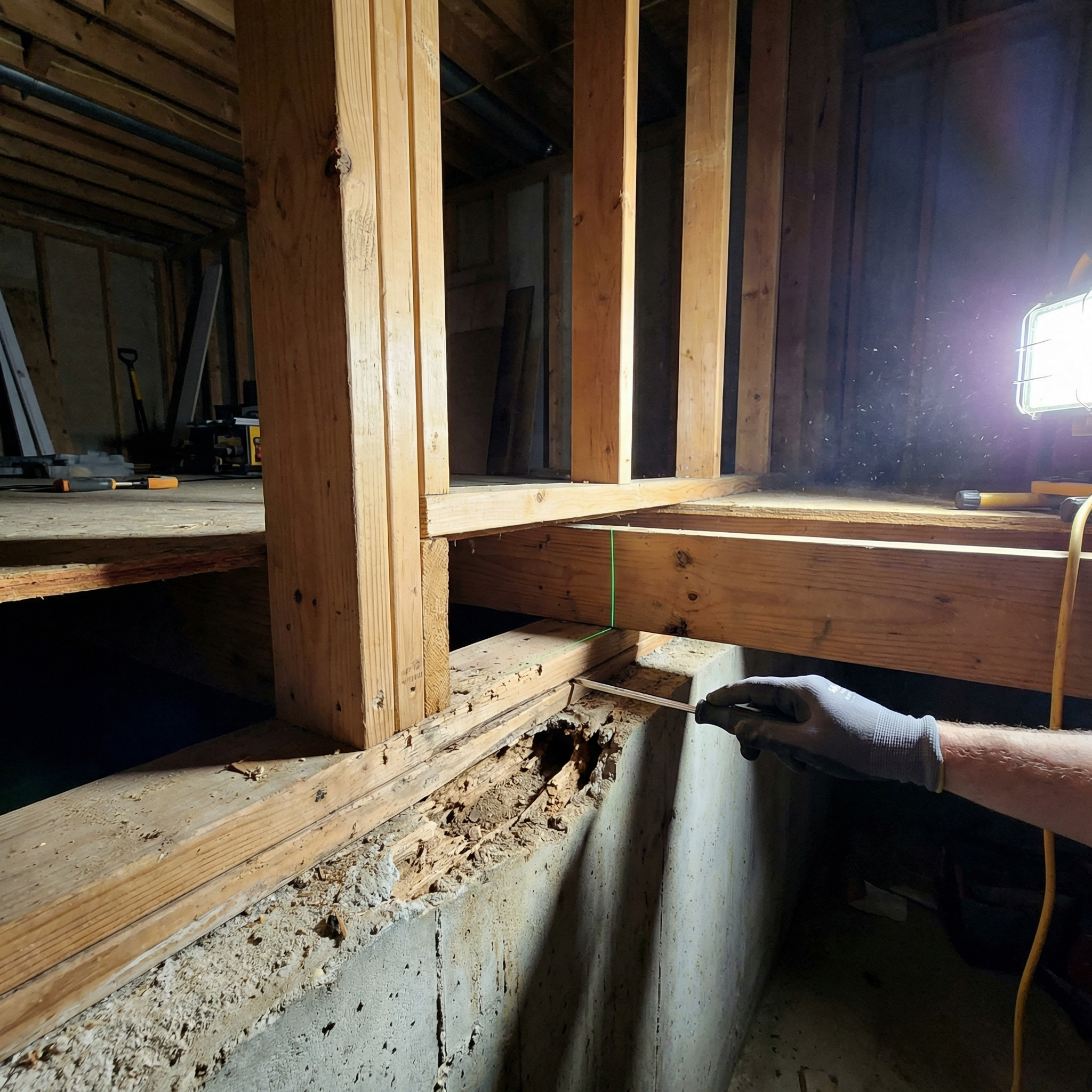
Once corrosion is discovered, the goal is to protect both structural safety and termite visibility during repairs. A termite-conscious retrofit starts with evaluating the surrounding wood for softness, discoloration, or surface irregularities before any hardware is removed. If the wood shows suspicious changes, it should be probed and documented so that potential termite activity is not missed. Replacing fasteners with upgraded corrosion-resistant versions is most effective when the wood they penetrate is dry, sound, and fully inspected. This approach prevents new hardware from masking underlying insect damage that could continue spreading out of sight.
In heavily corroded areas, it may make sense to increase the number or type of connectors while improving moisture management at the same time. For example, additional hangers, straps, or post bases can be added to distribute loads once weakened hardware is removed. Ventilation improvements or drainage tweaks can reduce the dampness that started the corrosion problem, supporting both the new metal and nearby wood. Clear communication between the pest professional and the contractor ensures that any signs of termite activity discovered during the retrofit are not shrugged off as simple moisture damage. The result is a repair that strengthens the structure while tightening your long-term termite defenses.
Questions to Ask Contractors About Termite-Resistant Hardware
When planning new construction or a significant remodel, the hardware specification is a key conversation point for anyone concerned about termites. Ask which corrosion-resistant fasteners and connectors will be used in exterior framing, moisture-prone rooms, and areas near grade or foundations. Request confirmation that fasteners are compatible with pressure-treated lumber or other specialty materials present on your property. Clarify whether hardware in high-risk locations, such as deck ledgers or stair stringers, will exceed minimum requirements for corrosion resistance. Documenting these choices in the contract helps ensure that long-term durability and termite awareness are built into the project from the start.
It is also helpful to involve your termite professional early in the planning stage so their observations can guide hardware decisions. They may highlight recurring problem zones from past inspections, such as chronically damp corners or utility chases, that deserve upgraded fasteners. Contractors can then choose connectors and fasteners that match those risk levels rather than relying only on generic standards. This team approach aligns structural, moisture, and termite protection goals, reducing surprises after the work is complete. Over the life of the building, owners benefit from fewer hidden vulnerabilities and more predictable inspection findings.
Maintenance Habits That Protect Both Metal and Wood
Even the best corrosion-resistant fasteners and connectors last longer when the surrounding conditions stay as dry and clean as practical. Regularly clearing debris from decks, stairs, and exposed framing prevents wet organic matter from resting against metal and wood. Checking around hose bibs, water heaters, and condensate lines can catch small leaks before they saturate structural members and nearby hardware. In basements and crawlspaces, basic housekeeping such as removing stored items away from structural elements improves air movement and visibility. These simple habits reduce both corrosion pressures on hardware and the moist shelter termites need to thrive.
Pairing these maintenance routines with scheduled termite inspections creates a reinforcing protection cycle. Your inspector sees fasteners and connectors that have been kept accessible and relatively clean, making corrosion and early wood changes easier to spot. You, in turn, receive clearer feedback about which areas might need upgraded hardware or moisture adjustments. Over time, this shared focus on corrosion-resistant fasteners and connectors turns moisture-challenged joints from quiet liabilities into resilient components of your termite defense plan. Strong metal, sound wood, and professional oversight work together to keep hidden structural threats from gaining a foothold.