
Fireplace Tubes That Tell a Bigger Story
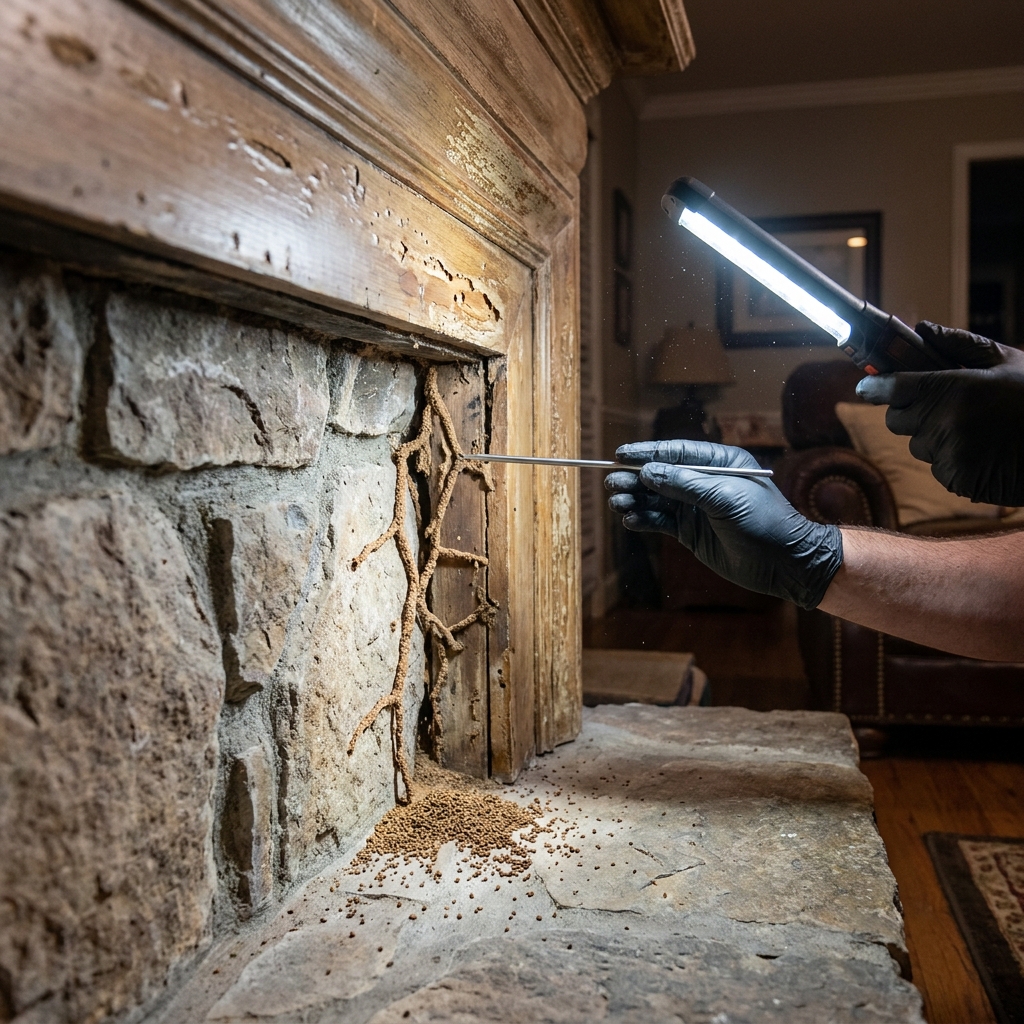
Termite tubes marching up a masonry fireplace often surprise homeowners who trust solid brick to keep pests out. Yet those muddy streaks rarely mean the masonry itself is failing. They usually point to tiny gaps where brick ends and wood framing begins, just out of sight. At that junction, shifting temperature and humidity create movement, condensation, and comfortable shelter for subterranean termites. For inspectors and pest professionals, a tube on the fireplace face is an early warning signal that the entire chase deserves closer attention.
Termite Tubes on Brick Are a Message, Not a Mystery
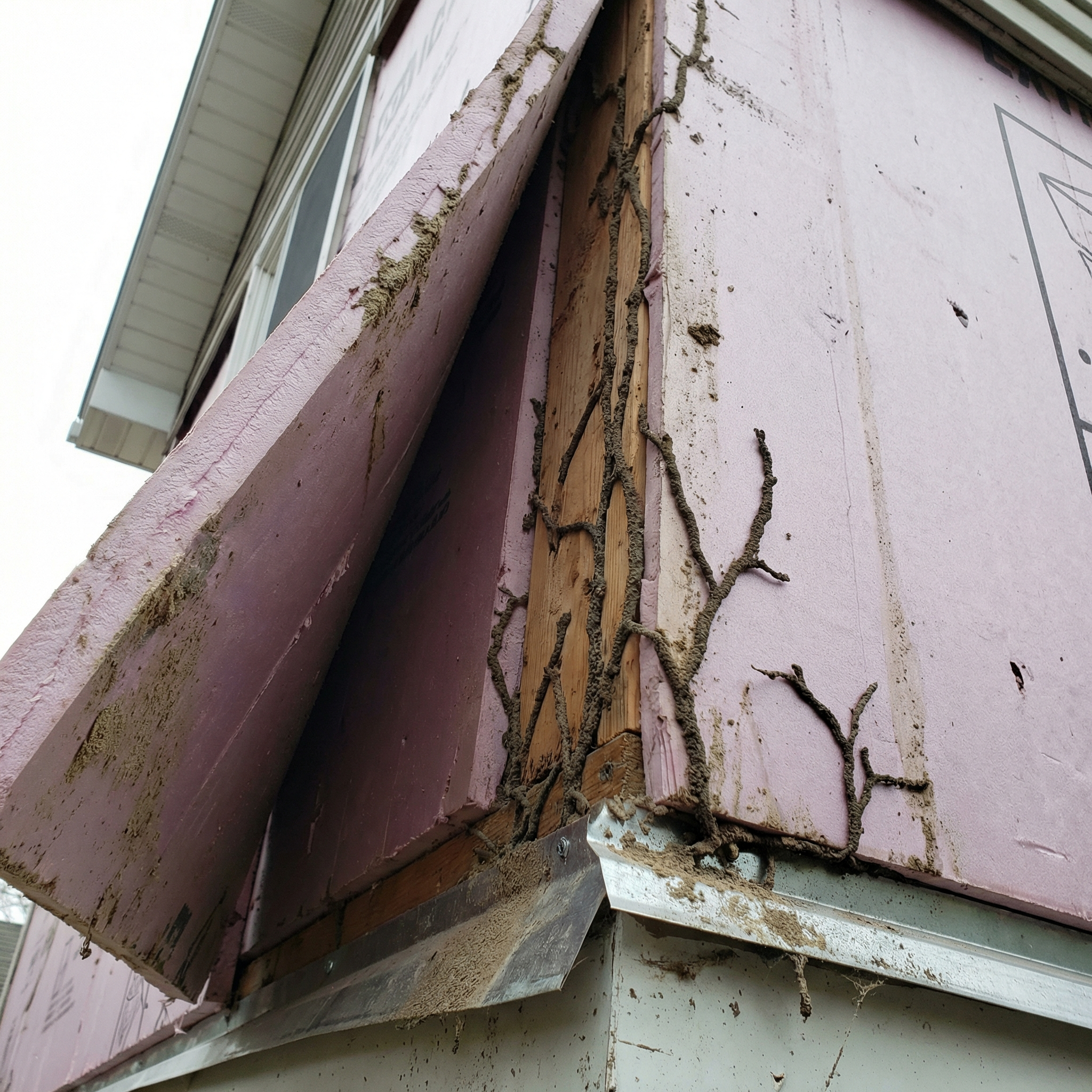
Subterranean termites build tubes to stay moist and protected as they travel between soil and wood. When those tubes appear on a masonry fireplace, they are signaling that a sheltered route already exists through hairline cracks, mortar joints, or framing gaps. The insects are following a stable blend of temperature and humidity, often right along the hidden transition from masonry to wood. The tube’s thickness, branching, and direction can hint at whether activity is exploratory or tied to a long‑running foraging route. Scraping away the visible mud without interpreting that message leaves the real access point untouched.
Fireplace tubes are also powerful clues because people tend to see them sooner than tubes in crawlspaces or garages. That early visibility gives termite professionals a chance to respond before damage spreads deep into studs, headers, or mantels. When technicians carefully document where tubes start and stop, they can compare future visits and recognize even faint new growth. Repeated tube patterns on the same section of brick often point to chronic building details, such as a stubborn joint crack or recurring moisture issue. Every tube becomes a data point that improves inspection strategy and homeowner awareness.
Why Masonry Fireplaces Tempt Subterranean Termites
Masonry is not food for termites, but it is a sponge for moisture and a buffer for temperature swings. Fireplaces and chimneys run from foundation to roof, touching basements, living spaces, and attic conditions in one vertical path. As weather shifts, warm indoor air, cool exterior brick, and occasional fires create cycles of condensation and drying along the masonry shell. At the narrow edge where that shell stops and wood framing or trim begins, slight seasonal movement can open gaps just wide enough for termites. Because those gaps hide behind finishes, the first thing a homeowner sees is often a tube snaking across exposed brick.
Termites also like the predictable layout of a fireplace chase, which acts like a vertical highway. Soil contact at the footing, nearby sill plates, and roof framing around the chimney form a continuous stack of potential food. If moisture levels cooperate, a colony can move in stages up and down that pathway, abandoning and rebuilding tubes as conditions change. The brick surface tends to stay cooler and slightly damp compared with interior drywall, helping tubes adhere and remain active longer. This combination of structure and environment makes masonry fireplaces frequent hotspots in termite inspection reports.
Reading the Gaps Where Wood Framing Meets Firebox
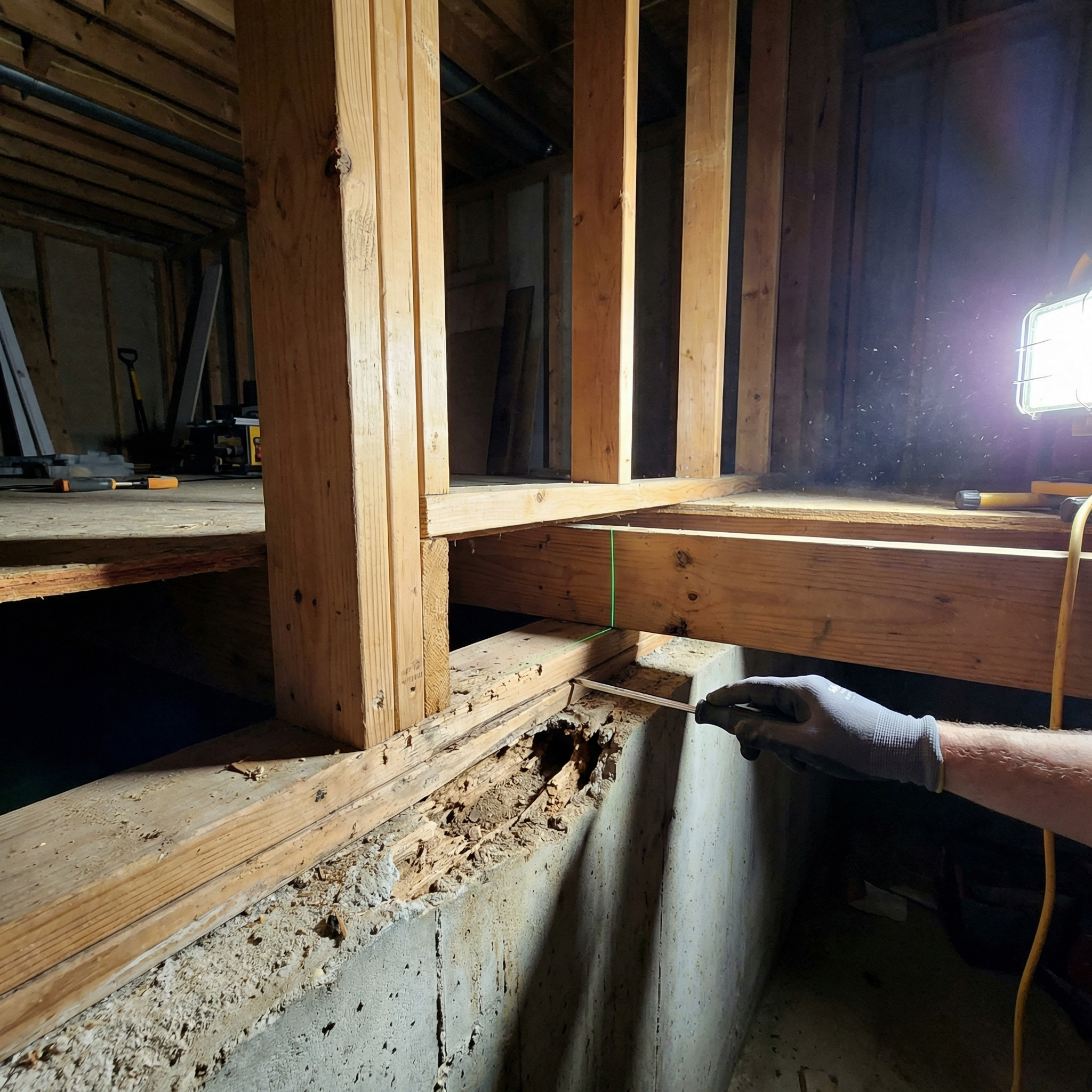
Behind many fireplaces, the critical risk zone is the narrow band where wood framing stops short of the firebox or smoke chamber. Codes require clearance from combustible materials, so builders often fill that area with small infill pieces, blocking, or non‑structural backing. As lumber dries, foundations settle, and masonry moves slightly, those pieces can shrink or twist, leaving irregular cavities. Termites moving up from the footing are quick to occupy these protected pockets, especially when condensation or minor flashing leaks keep them damp. When tubes appear on the fireplace face near that elevation, they commonly trace back to these hidden voids.
Inspectors who recognize this pattern look past the obvious brick surface and check everything tied into that junction. Baseboards, mantel legs, adjacent drywall, and trim transitions may show subtle softness, blistered paint, or hairline cracking. These small signs suggest termites have tested multiple exit points before committing to the most stable route. When available, moisture meters or infrared scans can map cooler, wetter zones that often match likely framing cavities. Even without opened walls, these clues let technicians target drill‑and‑inject treatments right where masonry and wood meet.
Inspection Steps Around Interior and Exterior Chimney Faces
Once a tube appears on an interior masonry fireplace, the next move should be a structured sweep of related areas. The goal is to connect the visible tube with soil contact, moisture sources, and any continuation higher up the wall. Working from a consistent checklist keeps important clues from slipping by on a busy service day.
- Trace the tube downward toward the hearth, checking baseboards, flooring edges, and any accessible crawlspace or basement wall beneath the fireplace.
- Move outside and inspect the chimney base, siding transitions, and the masonry‑to‑foundation joint for cracks or soil bridges feeding the tubes.
- Scan upward on both interior and exterior faces for abandoned tubes, patched mortar, staining, or efflorescence that signal past moisture problems.
Photographing these findings helps build a simple, visual story for the homeowner. When clients see how a tube on the living‑room brick links back to a footing crack, they understand why scraping alone is not a solution. Clear notes and images also guide future technicians if follow‑up treatments or monitoring are needed. For multi‑story homes, labeling which level each tube or crack belongs to avoids confusion when comparing re‑inspection results. Over time, this disciplined fireplace checklist turns scattered tube sightings into predictable patterns your team can anticipate.
Treatment Choices That Respect Heat, Brick, and Framing
Termite treatments around a fireplace must balance effectiveness with respect for heat, masonry finishes, and interior air quality. Soil or slab injections at the chimney base often provide the core barrier, especially when tubes run straight down toward the footing. Where framing meets masonry higher up, drilling through mortar joints—not face brick—allows precise product placement with minimal cosmetic impact. Foam formulations can be valuable for filling irregular spaces behind the firebox that standard sprays cannot coat evenly. Throughout the process, protecting visible brick, stone, and hearth surfaces from stains or spillage keeps the repair effort from becoming a remodeling project.
In challenging layouts, combining localized void treatments with termite bait stations around the chimney footprint can create layered protection. Baits intercept foraging termites in the soil, while liquids or foams directly address existing tubes and galleries inside the wall. Many homeowners worry about chemicals near their firebox, so clear explanations about product placement and label directions are essential. Emphasizing that treatments stay in soil, mortar joints, or closed cavities—not in the firebox itself—helps ease concerns. Informed clients are more likely to approve the combination of soil, void, and monitoring strategies that fireplaces often require.
Building and Repair Details That Cut Off Future Tubes
After active termites are controlled, repairs around the fireplace become a chance to reduce future risk. Replacing damaged framing allows carpenters to tighten clearances, remove makeshift blocking, and tidy up irregular cavities near the firebox. Using approved fire‑resistant sealants or mineral wool in appropriate voids can limit the humid pockets termites prefer. On the masonry side, repointing loose joints and sealing shrinkage cracks at the foundation interface helps block direct soil routes. Together, these details turn the fireplace chase from a sheltered corridor into a less inviting passageway.
Moisture management around the chimney is just as important as structural repair. Properly flashed chimney caps, intact counter‑flashing where the roof meets masonry, and solid crown mortar all reduce water intrusion that can keep interior framing damp. Inside, well‑fitting dampers, properly adjusted combustion air inlets, and functional glass doors help limit unnecessary condensation when the fireplace is idle. While pest professionals may not perform every repair, pointing them out positions your team as a trusted advisor rather than a tube scraper. That broader perspective encourages homeowners to call at the first sign of new tubes on brick, long before damage escalates.