

Turning Termite Tube Collapse into Visible Proof of Success
For many owners and managers, termite work feels invisible until damage appears or disappears. Chemicals go in the ground or walls, bait stations sit quietly, and the only obvious sign is a line item on an invoice. Post-treatment photo evidence of tube collapse changes that story by turning a technical result into something anyone can see. When stakeholders are anxious about termites, clear images of dried, broken tubes communicate that the colony’s access paths have been disrupted. Instead of asking them to take your word for it, you are showing them exactly what has changed.
- Transforms a technical inspection finding into a visual story.
- Reduces doubt about whether the treatment had real impact.
- Supports long-term trust in your inspection and service recommendations.
Why Collapsed Termite Tubes Matter After Treatment
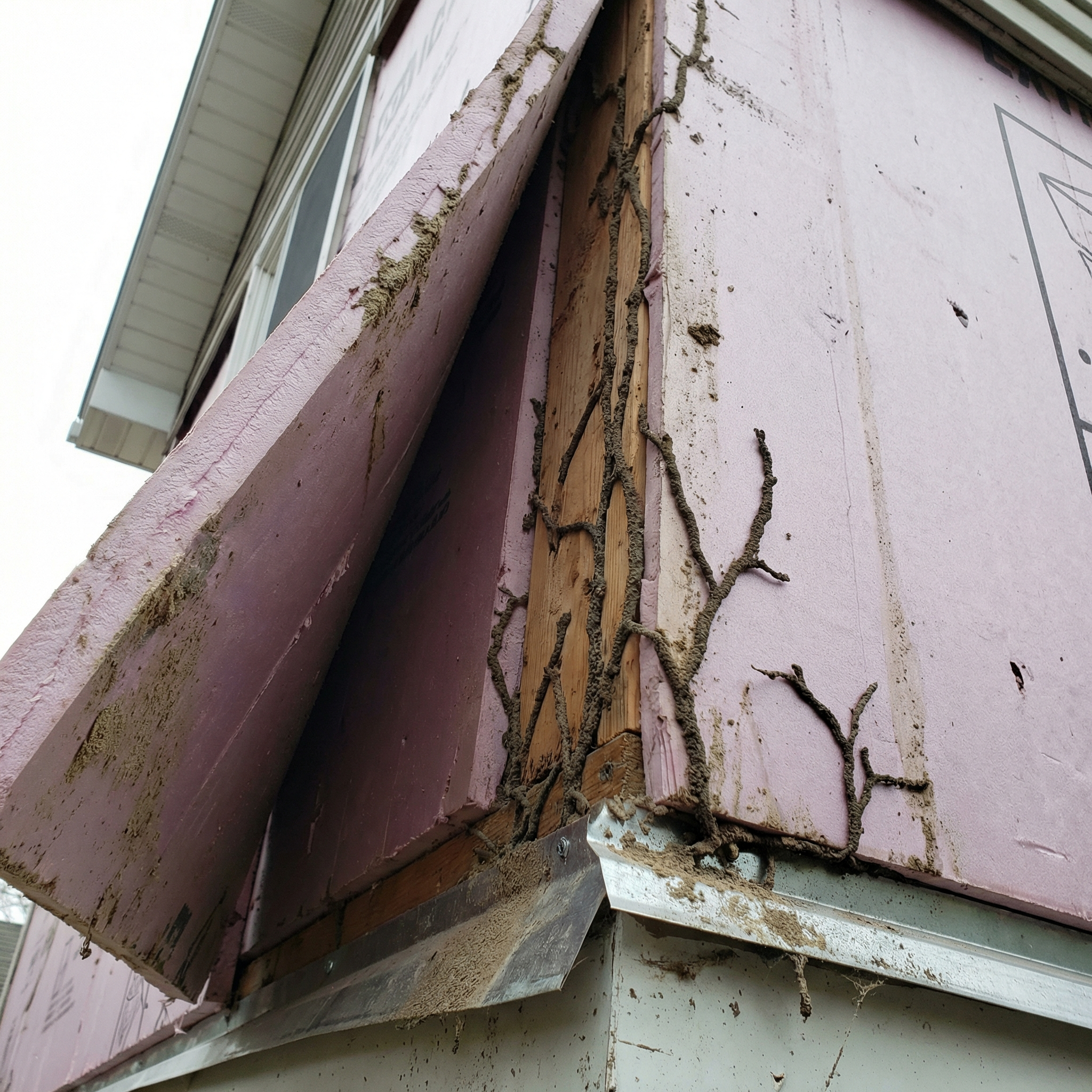
Subterranean termites depend on sheltered mud tubes to travel between soil and food sources. When a treatment works, tubes often dry, crack, and crumble because active workers are no longer maintaining them. Documenting that collapse is powerful, because it connects your professional evaluation to a specific, visible structure the client remembers from the initial inspection. While tube collapse alone does not guarantee every termite in the soil has died, it strongly indicates that their established travel routes into the structure have been disrupted. Framing tube changes this way helps stakeholders understand both the value and the limits of what they are seeing.
- Highlights the role of tubes as termite life-lines, not just dirt streaks.
- Shows treatment impact without promising absolute eradication.
- Creates a concrete before-and-after comparison for non-experts.
For property managers and boards, collapsed tubes are an especially useful talking point when they must justify budgets. A technical diagram of chemical zones or bait toxicology may not move a committee, but a photo of once-robust tubes now brittle and broken is easy to share and discuss. Insurance partners, lenders, and real estate stakeholders also respond well to evidence that travel tubes are no longer sound. They see a structure that is no longer freely accessible to termites, even if background soil populations may still exist. That visual cue makes ongoing monitoring recommendations feel like prudent risk management, not upselling.
- Gives decision-makers something concrete to circulate in meetings.
- Supports documentation needs for lenders and insurers.
- Makes follow-up inspection plans look responsible instead of optional.
Building a Field Workflow for Capturing Tube Collapse Evidence
Consistent, persuasive tube-collapse evidence does not happen by accident; it comes from a simple field routine. Technicians should be trained to photograph key tube locations during the initial inspection, then again during post-treatment follow-ups from the same angle whenever possible. This creates a matched set of images that tells a clear story without needing technical captions. Embedding this habit into your standard operating procedures also makes inspection routes more intentional, because technicians start thinking about which tubes will give the best story later. Over time, you accumulate a library of repeatable examples that help train new staff and reassure new clients.
- Pair pre-treatment and post-treatment photos for each key tube.
- Use consistent angles and distances to strengthen visual comparisons.
- Make tube photography part of every written inspection protocol.
Timing is another key part of the workflow. Schedule photo collection at meaningful intervals, such as a few weeks after liquid treatments or according to bait system service cycles. If tubes have not collapsed yet, images still have value, because they document conditions and any early cracking or drying. Later visits can capture the final stage of collapse, completing the visual sequence. That disciplined timing keeps you from promising immediate dramatic change when termite biology may require a bit more patience.
- Align photo dates with realistic treatment timelines.
- Acknowledge gradual tube changes as part of the process.
- Use each visit to extend the story rather than restart it.
Photo Standards That Make Tube Collapse Easy to Interpret
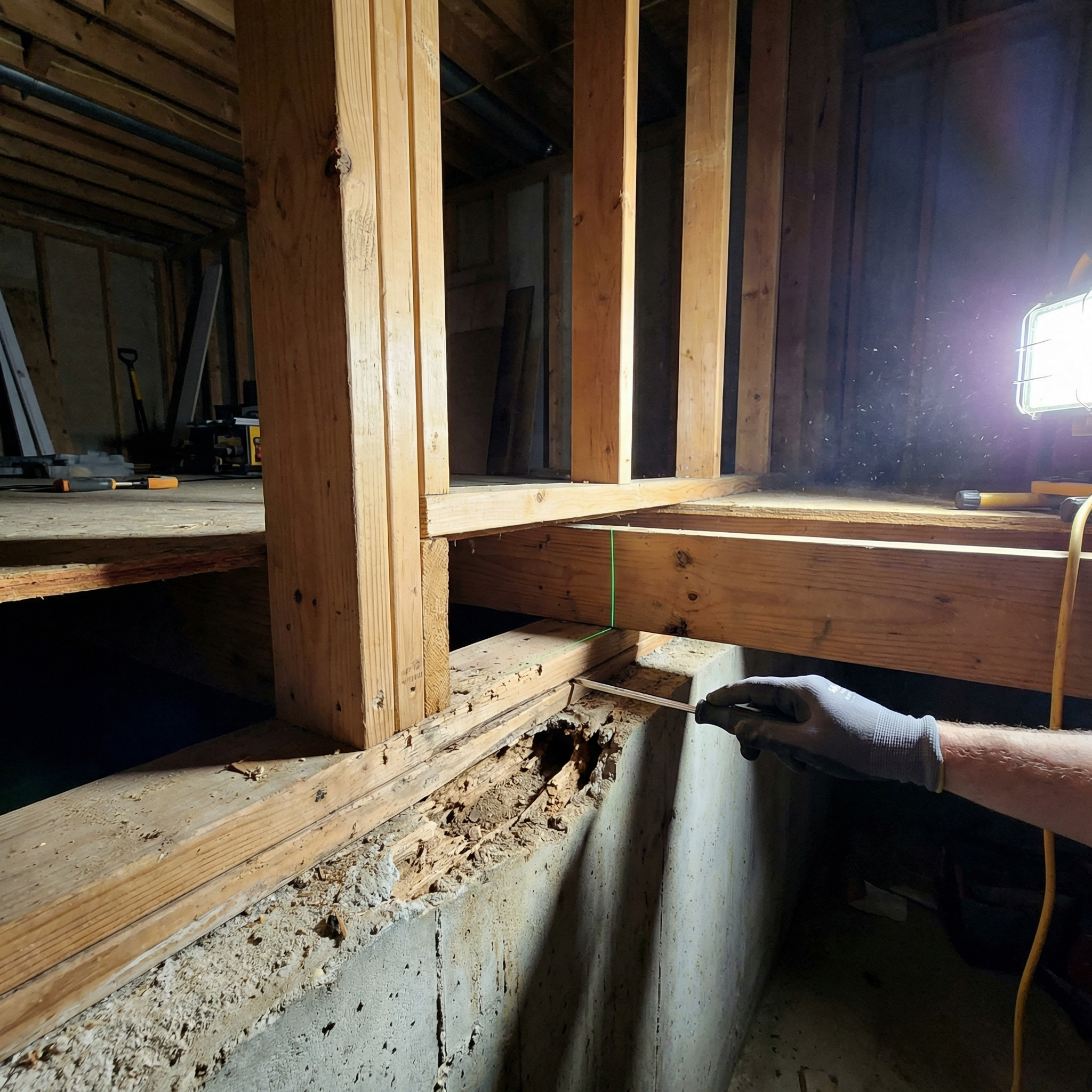
For stakeholders who do not crawl under decks or into tight spaces, photo clarity matters as much as the biological change. Each image should include context so viewers understand where the tube is located on the structure. Including a reference item, such as a ruler, coin, or gloved finger, helps communicate tube size and scale, which can otherwise be hard to judge in close-ups. Sharp focus is essential so cracks, breaks, and dried edges are obviously different from intact, moist tubes. With these simple standards, even someone who has never seen a termite tube in person can follow your explanation.
- Capture a wide establishing shot and a close detail shot.
- Include a scale reference to show tube width and length.
- Check photo clarity on-site, not back at the office.
Metadata and labeling are nearly as important as the photos themselves. Mark each image with date, location on the structure, and treatment phase, whether pre-treatment, immediate post-treatment, or follow-up. When added to your reports, those labels keep the pictures from becoming random snapshots with unclear meaning. Over time, organized image sets also help you refine your own expectations for how quickly tubes collapse under different site conditions. That feedback loop can then inform more accurate conversations about timelines with future clients.
- Label photos with date, area, and inspection stage.
- Store images in folders tied to specific properties or units.
- Use consistent file naming to speed report assembly.
Turning Before-and-After Tube Photos into Persuasive Reports
The real impact of tube-collapse documentation shows up when images are woven into written reports and review conversations. Placing a pre-treatment photo directly next to its post-treatment counterpart invites an instant comparison, even before the reader views your notes. Short, plain-language captions beneath each pair explain what has changed in terms a non-technical audience can repeat. For example, noting that an unbroken, moist tube seen on the first visit is now brittle, cracked, and unrepaired after treatment anchors your verbal explanation. Clients walk away with a visual memory rather than just a dense report.
- Arrange photos in side-by-side before-and-after layouts.
- Write simple captions focused on change, not chemistry.
- Use arrows or highlights sparingly to avoid clutter.
Live review sessions make those photos even more powerful. Whether in person or via screen share, walking stakeholders through each image pair gives them space to ask questions. You can address misconceptions, such as the idea that every visible speck of dried mud still represents active termites. That conversation also lets you introduce the next steps, such as scheduled monitoring, warranty terms, or environmental changes that will support long-term control. The photos become a bridge from treatment day to the ongoing partnership you want to maintain.
- Review images during walkthroughs or virtual meetings.
- Invite questions about any tubes that still concern clients.
- Connect visual results to future inspection and maintenance plans.
Explaining What Tube Collapse Proves—and What It Does Not
To maintain credibility, it is important to be transparent about the limits of tube-collapse evidence. Collapsed tubes show that termites are no longer maintaining those particular travel routes into the structure, not that termites have vanished from the broader environment. In some cases, new tubes could appear in different areas if conditions remain favorable and untreated soil is available. By framing tube collapse as a strong indicator of disrupted access rather than an absolute guarantee, you avoid overpromising and underdelivering. Clients appreciate honest boundaries, especially when backed by clear, positive visual change.
- Describe tube collapse as access disruption, not magic eradication.
- Highlight the continued need for inspections and monitoring.
- Use photos to support, not replace, professional judgment.
This balanced messaging turns your photo sets into part of a long-term risk management strategy. Stakeholders see clear progress where tubes once climbed foundations, piers, or framing, but they also understand why follow-up visits remain valuable. That combination of reassurance and realism is what builds durable trust between inspectors, pest control providers, and the people who rely on them. In time, clients begin to expect and request photo evidence as a normal part of professional termite work. When that happens, your tube-collapse documentation is not just a nice extra—it is a recognized standard of care.
- Position images as one line of evidence among several.
- Encourage stakeholders to keep reports with transaction records.
- Use each successful case to refine your communication approach.
Bringing Visual Termite Proof into Every Service Offering
Integrating post-treatment tube-collapse photos into your services does more than satisfy curiosity; it differentiates your brand. In a field where many proposals look and sound similar, visibly documenting what success looks like sets you apart. Clients remember the professional who showed them broken, inactive tubes far more than the one who simply sent an invoice and a short note. Over time, those clear visual wins drive referrals because stakeholders can easily share the evidence with colleagues, neighbors, or buyers. Each shared image becomes a quiet endorsement of your thoroughness and transparency.
- Make visual documentation a selling point in proposals and estimates.
- Train every technician to capture tube-collapse stories consistently.
- Highlight photo-backed results in case studies and internal training.
As you repeat this approach job after job, photo evidence of tube collapse becomes woven into your company culture. New staff quickly learn that they are not just applying products; they are building a narrative of risk reduced and access disrupted. Stakeholders, in turn, come to expect that every termite treatment will end with a set of clear, labeled images showing what has changed. That shared expectation tightens the bond between technical work and client confidence. In an invisible battle against hidden insects, visible proof is one of the most powerful tools you can offer.
- Align field practices, reporting, and sales messaging around visible proof.
- Use image archives to train teams on real-world outcomes.
- Treat every collapsed tube photo as a trust-building opportunity.