
From Hidden Dampness to Live Data Under Your Feet
Crawlspaces stay out of sight, and that makes them perfect for termites and moisture to work together quietly. Traditional inspections catch problems only on the day you are there, leaving months of unseen conditions in between visits. Smart humidity sensors and data loggers change that by turning crawlspaces into continuously monitored environments. Instead of guessing whether conditions are termite friendly, you see temperature and humidity trends in actual numbers. That shift from one day snapshots to ongoing data reshapes how you prevent, document, and control termite risk.
Termites, Moisture, and the Crawlspace Blind Spot
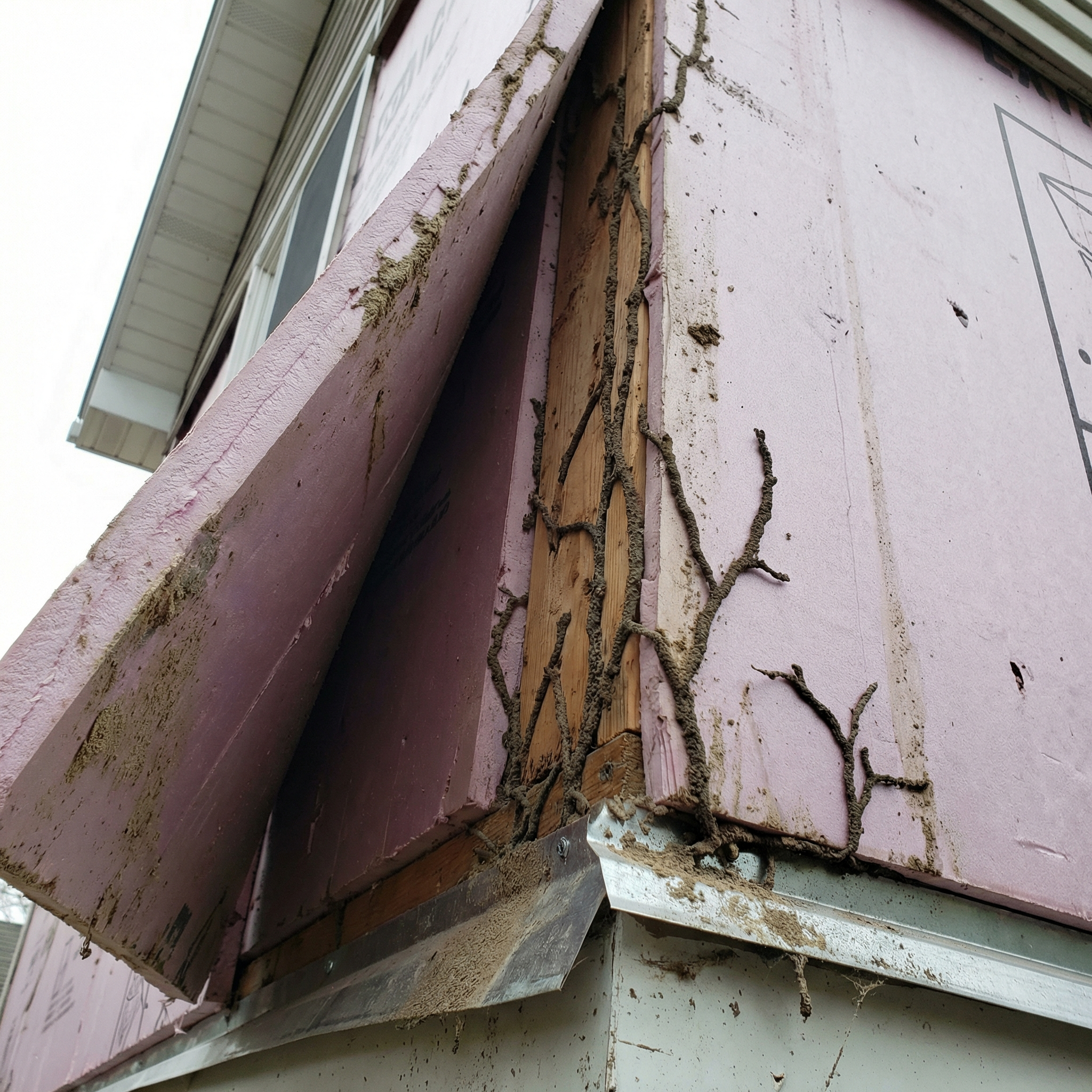
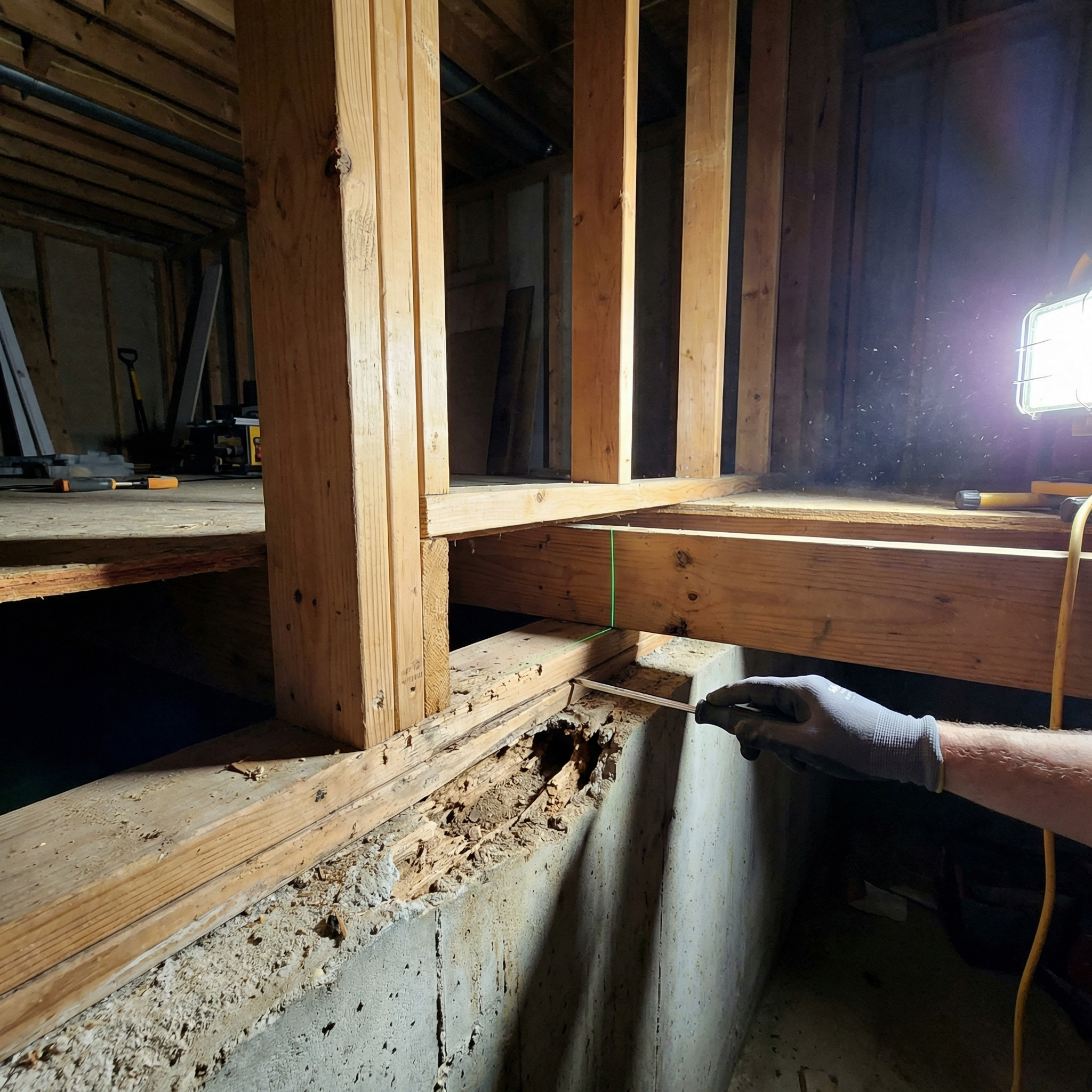
Subterranean termites thrive where wood, soil, and moisture stay in close contact for long periods. Crawlspaces often supply all three, especially when vents are blocked, gutters overflow, or vapor barriers fail. Even when the wood looks dry at a glance, sustained high relative humidity can keep termite tunnels and galleries from drying out. Inspectors can spot active mud tubes or damage, but they cannot see last summer’s weeks of elevated moisture. That invisible history matters, because it reveals whether a structure keeps drifting back into termite friendly conditions between treatments.
The blind spot grows wider when homeowners assume a dry surface means a dry environment. They may fix standing water and think the job is finished, while humidity remains high enough to stay attractive to termites. Pest control professionals need more than a quick visual to defend warranties and treatment decisions. Smart humidity sensors and data loggers help fill that gap by tracking how long, how often, and how severely the crawlspace crosses risky moisture levels. With that record, you are no longer relying on memory or gut feeling when you talk about conducive conditions.
What Smart Humidity Sensors and Data Loggers Actually Do
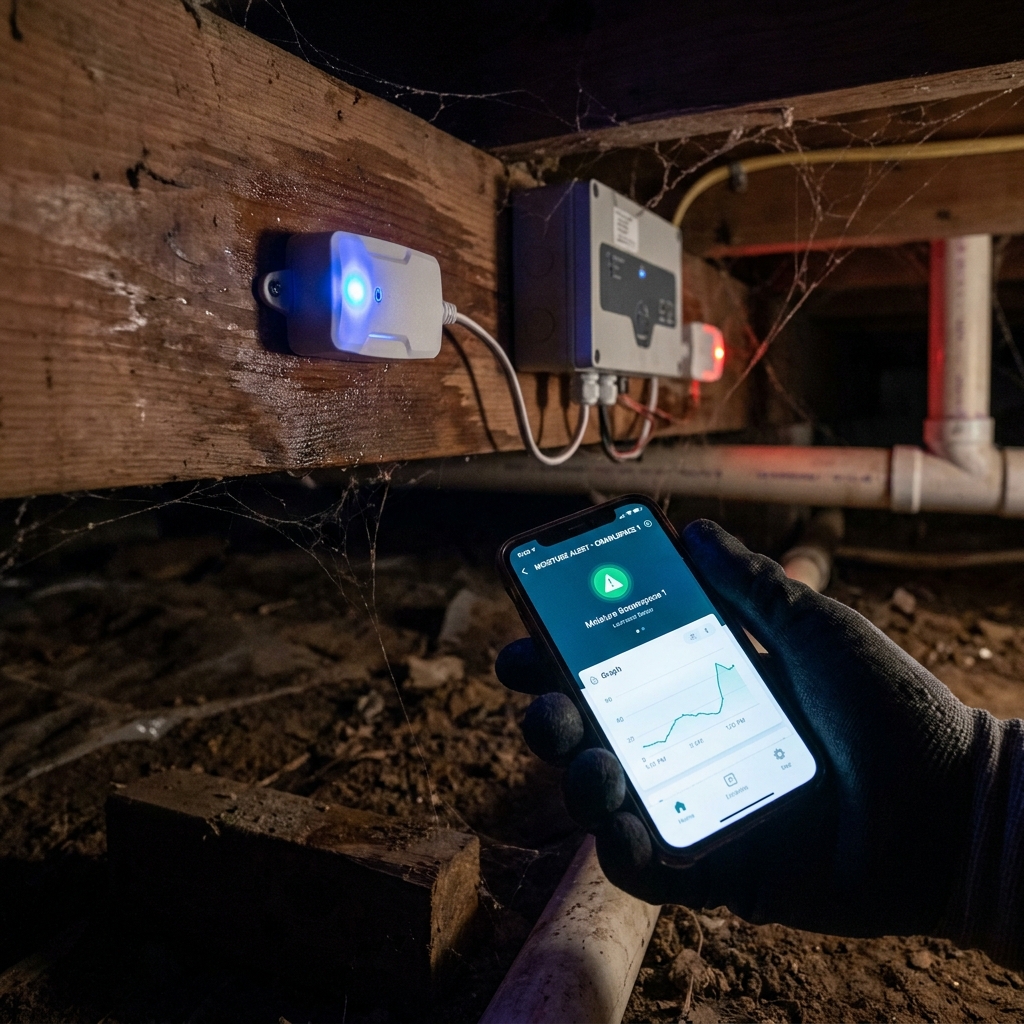
Smart humidity sensors installed in crawlspaces read temperature and relative humidity at set intervals around the clock. Those readings are either stored locally in a data logger, or sent wirelessly to a hub that relays them to a phone or web dashboard. Many systems let you set custom alert thresholds, so you get a notification when humidity rises above the level you consider termite friendly. Instead of waiting for the next scheduled inspection, you can respond when a gutter failure, pipe leak, or weather pattern suddenly spikes moisture. That real time awareness turns a crawlspace from a dark guess into a live monitored zone.
Data loggers add another layer by preserving months or years of measurements in easy to read graphs. A quick look at the trend line shows whether humidity is stable, seasonal, or consistently high. You can match spikes to events like heavy rain, HVAC changes, or repairs, then confirm whether those fixes actually worked over time. When a homeowner questions why you recommend moisture control along with termite service, you can point to hard data, not just opinions. That evidence builds trust and supports long term protection plans instead of one time reactions.
Turning Crawlspaces into Measured Termite Risk Zones
For pest control teams, the real value of smart sensors lies in connecting moisture levels to termite risk tiers. You can decide, for your climate and soil type, what humidity range feels safe, cautionary, or high risk. Once you set alert thresholds to match those tiers, each crawlspace becomes a measured risk zone rather than a vague concern. A quick glance at the dashboard can tell you which properties are behaving, which need a closer look, and which demand immediate attention. This helps prioritize route planning and emergency visits based on actual conditions, not just renewal dates.
Measured zones also support more strategic termite prevention programs. Homes that rarely cross your caution range may stay on standard inspection cycles with basic monitoring. Properties that repeatedly cross into high humidity can be offered upgraded plans that bundle termite coverage with moisture management and additional sensors. Over time, you build a portfolio view of local risk patterns by neighborhood, construction type, or age of home. That insight lets you fine tune marketing, staffing, and training toward the most vulnerable structures in your service area.
Service Packages Built Around Crawlspace Monitoring
Smart crawlspace monitoring is not just a gadget; it can anchor an entire tier of recurring services. You might offer a base termite plan that includes annual inspection plus a one time humidity assessment. Above that, a premium plan could include sensor installation, defined alert thresholds, and quarterly data reviews tied to your termite warranty. At the top, a comprehensive plan might blend termite coverage, moisture control equipment, and full year data logging with documented reports. Each level adds value by giving homeowners clearer visibility into a space they never want to crawl into themselves.
These packages also create more predictable touchpoints with your customers. Instead of calling only when they see swarmers or damage, they hear from you when sensors flag an issue early. A technician can schedule a targeted visit to investigate before termites take advantage of the new dampness. Over time, homeowners learn to associate your brand with early warning rather than emergency cleanup. That shift improves retention, generates referrals, and lowers the stress that usually surrounds termite conversations.
Data That Backs Your Termite Recommendations
Termite control often requires homeowners to approve work they cannot see in areas they rarely visit. Humidity and temperature data help bridge that gap between invisible risk and clear action. When you can show that a crawlspace spends weeks each year above your defined safe range, recommendations for vapor barriers, vents, or dehumidifiers carry more weight. Data also supports decisions about switching from spot treatments to more comprehensive termite protection in stubbornly damp structures. Instead of sounding like you are upselling, you are simply following the evidence recorded under the home.
Long term logs are equally valuable when questions arise about warranties or recurring infestations. If a customer reports new activity, you can review the crawlspace history to see whether conditions stayed within agreed limits. If alerts showed repeated high humidity that went unaddressed, you have documentation to guide a fair conversation about next steps and responsibilities. When conditions stayed controlled yet termites returned, the data supports adjusting treatment strategies rather than blaming moisture alone. In both scenarios, decisions rest on shared facts instead of conflicting memories.
Choosing and Placing Devices for Real World Crawlspaces
Not every humidity sensor suits every crawlspace, so selection and placement matter for reliable readings. Devices should be rated for damp, dusty environments and positioned where they will not be submerged during minor water events. Mounting sensors away from exterior vents and direct air leaks helps avoid misleading swings caused by short bursts of outside air. Placing at least one sensor near key structural elements, such as major beams or high value flooring areas, ties readings directly to your termite concerns. In larger crawlspaces, multiple sensors can map differences between trouble spots and relatively dry zones.
Power and connectivity also require planning. Battery powered units are easier to install but must be checked on a schedule aligned with service visits. Systems that connect to a central hub need reliable signal paths through subflooring and foundation materials, which may require testing before final placement. When wireless connection is not realistic, stand alone data loggers that you download during inspections can still provide strong value. Whatever configuration you choose, consistency in placement across homes makes it easier to compare risks and refine your alert thresholds over time.
Helping Homeowners Read Their Crawlspace Dashboard
For homeowners, graphs and numbers can feel confusing unless you translate them into simple termite risk messages. During installation or a follow up visit, walk them through what humidity range you consider healthy and what happens when alerts fire. Explain that a sudden spike might signal a plumbing leak, poor drainage, or a weather event that needs only monitoring. Show how long periods in the high zone, not just brief peaks, are what truly worry you from a termite perspective. When customers understand the story behind the data, they are more likely to act quickly on your recommendations.
Clear communication turns the dashboard into a shared tool rather than a technical curiosity. Quarterly or annual summaries that highlight calm periods and problem stretches show the value of ongoing monitoring. You can attach those summaries to your termite service records, reinforcing that you are watching not just for insects but for the conditions that invite them. Over time, homeowners begin to see that moisture control and termite protection are two parts of the same strategy. Smart sensors and data loggers simply keep that strategy running in the background, so crawlspaces stay less welcoming to the pests you are paid to stop.